Lower East Side Arts District Renaissance 2026
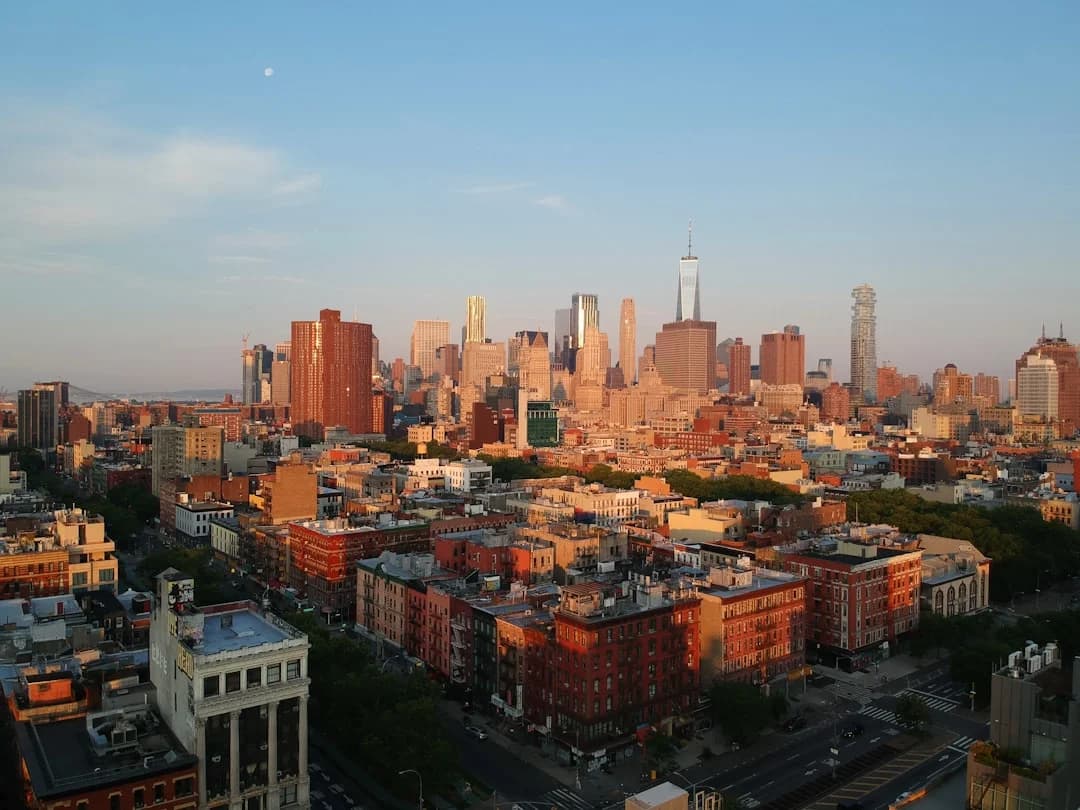
Photo by Jeffrey Blum on Unsplash
The Lower East Side is poised for a notable shift in its cultural economy as 2026 unfolds, with a suite of announcements that echo a larger, if cautious, renaissance in the district’s arts infrastructure. From a high-profile, city-funded relocation for a long-running DIY hub to new fellowship programs that seed up-and-coming talent, the neighborhood’s cultural ecosystem appears to be reconfiguring around a more resilient mix of venues, programs, and partnerships. This year’s developments underscore a deliberate strategy: keep art accessible, expand permanent spaces, and provide pathways for artists at every career stage, all while navigating ongoing debates about affordability, displacement, and equitable access. The headline reads clearly: the Lower East Side arts district renaissance 2026 is underway, with tangible milestones and concrete timelines that readers can monitor as the year progresses. (nyc.gov)
A central thread in the unfolding narrative is ABC No Rio’s move to a new, city-funded home on Rivington Street. After years in flux, organizers and city agencies announced the topping-out of a 21-million-dollar project, signaling a critical inflection point for one of the neighborhood’s most enduring and adversarially loved cultural spaces. Officials emphasize that the venue will reopen in Fall 2026, providing a permanent home for a community-driven arts program that has long operated at the intersection of visual art, music, zines, and collective organizing. The development is a litmus test for the scale and pace at which a neighborhood can translate cultural legitimacy into brick-and-mortar permanence. The project’s timeline—groundbreaking in 2024, topping out in late 2025, and a planned Fall 2026 opening—offers a concrete backbone to the broader renaissance narrative. (nyc.gov)
Beyond the ABC No Rio project, a broader slate of activity during 2025–2026 signals a more comprehensive approach to arts infrastructure in the LES. Abrons Arts Center, a longtime anchor on the Lower East Side, announced a Spring 2026 season aligned with a refreshed mission and renewed commitments to access and community participation. While the specifics of the season catalog and mission language vary in different outlets, the core message is consistent: the center is recalibrating its programming and organizational aims to better respond to housing, education, and artist-support needs in the surrounding community. The combined emphasis on programmatic renewal and space expansion illustrates how established institutions are coordinating with city programs to sustain a dense, high-value cultural corridor. (resident.com)
The city’s cultural leadership has reinforced that this moment is not anchored to a single project but part of a broader, multi-venue strategy. A city agency update in early 2025 highlighted ongoing investments, including public-art initiatives and partnerships designed to bolster small and mid-sized cultural organizations across the five boroughs, with the Lower East Side serving as a notable case study for how public funding can catalyze private and nonprofit cultural activity. The timing aligns with society-wide shifts in public arts funding and community engagement, as agencies emphasize access, youth programs, and preservation of cultural identities in evolving urban contexts. While the precise mix of projects varies by neighborhood, the LES remains a focal point for these conversations due to its dense concentration of historic venues, evolving spaces, and a poised, relatively young audience cohort. (nyc.gov)
In parallel, local arts organizations are leaning into talent development and youth opportunities as a hedge against market volatility and paces of gentrification. FABnyc’s Lower East Side Young Artists of Color Fellowship for 2026 exemplifies this approach by codifying a structured pathway for emerging artists who reflect the neighborhood’s cultural diversity. The fellowship, designed to support and showcase young artists of color across District 3, complements studio space initiatives and public programming by helping to seed a new generation of practitioners who can contribute to a robust, multi-generational arts ecosystem in the district. These kinds of programs are critical to sustaining the district’s vitality as it scales up infrastructure. (aaartsalliance.org)
The district’s longer arc remains contingent on transportation, affordability, and policy—factors that influence how easily artists and audiences can access venues, how real estate dynamics affect development, and how public dollars translate into long-term cultural value. Local stakeholders emphasize that the renaissance is not purely about constructing buildings but about weaving a more equitable set of opportunities into a historically diverse neighborhood. The Lower East Side Partnership, a business improvement district with a high profile in the area, has maintained an active calendar of initiatives and public-facing programs through early 2026, illustrating how commerce and culture can align to support a dynamic arts economy. The Partnership’ s leadership notes ongoing projects—from mural programs to district-wide events—that contribute to a more connected, permeable arts district where residents, visitors, and workers intersect with creative activity on their daily routes. (les.nyc)
This year’s activity also reflects a broader city strategy to integrate arts into everyday urban life. The Department of Cultural Affairs (DCLA) published a year-in-review that highlights a slate of initiatives designed to support artists, expand access to facilities, and elevate public art in the built environment. The report points to a City Canvas public-art program and other investments that, while not LES-exclusive, have a measurable impact on the neighborhood by increasing foot traffic, attracting creative businesses, and improving the pedestrian experience around new and renovated cultural spaces. The cumulative effect of these programs is a more expansive, resilient cultural economy that can better absorb shocks and sustain long-term growth. (nyc.gov)
In short, the Lower East Side arts district renaissance 2026 is playing out through a constellation of announcements and programs that together aim to convert the neighborhood’s historic cultural density into durable, scalable infrastructure. The period from 2024 through 2026 has seen significant milestones—most notably the ABC No Rio relocation and the revival of other anchors like Abrons—that create a credible, visible signal to artists, funders, and audiences that the LES is continuing to evolve as a major arts district. The data points compiled from city records, neighborhood press, and cultural organizations’ announcements indicate a deliberate, measured approach to growth, with a clear emphasis on accessibility, public value, and accountability. (nyc.gov)
What Happened
ABC No Rio’s New Home Takes Shape on Rivington Street
The most conspicuous headline in 2025–2026 is ABC No Rio’s relocation to a new city-funded building on Rivington Street, a project that embodies both a symbolic and practical renewal of the Lower East Side’s DIY arts infrastructure. The City’s Department of Cultural Affairs (DCLA) and Economic Development Corporation (NYCEDC) joined ABC No Rio and local leaders to celebrate the topping out of the $21 million facility on October 31, 2025. The building’s completion signals not only a return of a storied venue to the neighborhood but also a broader commitment to preserving and expanding artist-led spaces in communities historically defined by their vibrant, grassroots cultural activity. City officials have indicated that the new complex will open in Fall 2026, with early-stage programming and a renewed emphasis on community access and co-creation. This development is significant because it consolidates a long-running set of community initiatives into a permanent home, which can attract both local participation and external partnerships. The structural milestone—topping out in late October 2025—was widely reported by city portals and neighborhood outlets, reinforcing the project’s visibility as a cornerstone of the renaissance narrative. (nyc.gov)
Timeline and Key Facts
- Groundbreaking: 2024, when construction began on the new ABC No Rio facility on Rivington Street.
- Topping out: October 31, 2025, marking the completion of the building’s structural framework and the near-finalization of the exterior shell. This moment was celebrated by city leaders, the arts community, and ABC No Rio supporters as a milestone for durable space commitments in the LES. (nyc.gov)
- Opening: Fall 2026, with a public opening and ongoing programming to follow. The city’s public-facing materials and press coverage project a phased roll-out of exhibitions, performances, and community programs aligned with the venue’s long-standing mission of accessibility and experimentation. (nyc.gov)
Other LES Anchors in Focus
While ABC No Rio commands attention for its symbolic and logistical significance, it sits within a wider ecosystem of institutions actively refreshing their offerings as part of the renaissance. Abrons Arts Center, for instance, announced a Spring 2026 season that pairs the organization’s traditional commitments to contemporary performance and interdisciplinary art with a new mission that foregrounds equity, access, and collaboration with community partners. The programming signals a trend in which established institutions recalibrate to meet rising community expectations around inclusivity, affordability, and educational outreach. While the exact season lineup and new mission language vary by outlet, the core intent is clear: to re-center the center’s role in a changing LES cultural landscape while maintaining the high artistic standards that have long defined Abrons. (resident.com)
Adjacent Developments
The district’s ongoing portfolio of development projects includes more than a single venue. Essex Crossing, a major mixed-use development at the Delancey-Essex corridor, has added cultural components that promise to expand how audiences encounter art in the neighborhood. In mid-2025, plans for a cultural venue within Essex Crossing—nicknamed Canyon in some preliminary reports—were publicly discussed, with expectations for a 2026 opening as part of the district’s broader revitalization strategy. While the exact execution details and operator are evolving, the notion of a new cultural anchor at Essex Crossing reinforces the sense that the LES is transitioning from a cluster of independent spaces into a more interconnected cultural corridor. This dynamic is consistent with the LES Partnership’s advocacy for a robust cultural economy that ladders upward from small, grassroots venues to larger, more formal institutions. (en.wikipedia.org)
Talent Development and Community Programs
Another dimension of 2026 activity is the emphasis on developing local talent and widening access to arts education and opportunities. FABnyc’s Lower East Side Young Artists of Color Fellowship for 2026 articulates a commitment to a pipeline of diverse artists who can contribute to the neighborhood’s cultural dialogue. The fellowship’s focus on artists of color within District 3 aligns with broader city goals around equity and opportunity in cultural production. The program’s existence underscores the renaissance narrative as not only about bricks and mortar but also about people who animate the spaces and experiences in the LES. (aaartsalliance.org)
Community-Driven Open Houses and Public Engagement
Public-facing events that invite residents and visitors to engage with LES arts organizations also marked 2025–2026 as a year of heightened visibility. FABnyc’s Lower East Side Arts & Culture Open House in 2025 offered participants a guided exploration of district organizations, from nonprofit arts groups to community cultural spaces. The event emphasized cross-organization collaboration, information sharing, and opportunities to participate in ongoing programs, helping to democratize access to cultural resources across age groups and backgrounds. The open house highlights the community-centered orientation that many LES institutions pursued during the renaissance period. (fabnyc.org)
A City-Funded, Public-Private Collaboration Frame
Taken together, these developments illustrate a frame in which city agencies, cultural organizations, and community groups collaborate on a shared objective: to build durable arts infrastructure that is accessible, affordable, and sustainable. City-level investments and public-art initiatives—particularly those highlighted in the year-in-review reports—provide a macro-context for the LES’s micro-initiatives. The aim is to balance the neighborhood’s storied cultural history with contemporary needs, including housing affordability for residents, safe and welcoming cultural spaces, and the scalability of programs that can attract a broader, younger audience. In this sense, the LES renaissance is as much about policy and funding mechanisms as it is about studios, galleries, and performance stages. (nyc.gov)
Why It Matters
Cultural Impact and Community Access
The resurgence of investment in the Lower East Side arts district renaissance 2026 matters primarily because it reaffirms the neighborhood’s cultural identity and expands the geographic reach of artistic activity. When ABC No Rio relocates to a permanent facility on Rivington Street, it does more than preserve a historical space; it confirms a long-term commitment to the kind of participatory, anti-institutional art that has been a hallmark of LES culture for decades. The new venue is positioned to host exhibitions, concerts, screenings, and community programs that reflect the neighborhood’s diversity and its evolving demographics. The structural milestone—topping out in 2025 with a planned Fall 2026 opening—provides a reliable anchor for other cultural actors who depend on a stable environment to plan programming and collaborations. This shift from ad hoc pop-up activity to a fixed space matters to local artists who need predictable venues for exhibitions, residencies, and collaborations. It also matters to residents who benefit from free and low-cost access to high-quality cultural experiences, and to visitors who seek a coherent, walkable arts itinerary in one of the city’s most densely concentrated cultural neighborhoods. (nyc.gov)

Photo by Blogging Guide on Unsplash
Equity, Inclusion, and Talent Development
The 2026 fellowship programs for artists of color—such as FABnyc’s Lower East Side Young Artists of Color Fellowship—address a core tension in the arts economy: who gets to participate, and how to sustain their practice over time. By channeling resources toward underrepresented artists within District 3, these initiatives help correct historic imbalances while enriching the district’s programming with perspectives that might be underrepresented in traditional institutional venues. In the long run, such programs can strengthen the LES’s reputation as a cradle for contemporary, multicultural practice—an attribute that benefits not only artists but audiences, schools, and neighboring businesses that rely on vibrant cultural activity for foot traffic and social vitality. (aaartsalliance.org)
Economic and Urban Context
From an urban-planning and economic standpoint, the renaissance narrative carries implications for the neighborhood’s business ecosystem. The Lower East Side Partnership’s ongoing engagement with public art, street-level activation, and district-wide events demonstrates how arts-centered activity can amplify retail and hospitality sectors while encouraging new forms of collaboration between artists and entrepreneurs. The arts district’s growth is not just about galleries; it is about a living ecosystem that integrates performance venues, studios, residential options for artists, and public spaces that host daily life as part of the cultural experience. City support for these efforts, including public art programs, can help align private investment with community needs, reducing the risk that cultural gains are unevenly distributed or immediately reversed by market pressures. While concerns about displacement persist in many urban arts districts, the LES’s approach—emphasizing access, education, and community partnership—offers a model for balancing growth with social equity. (les.nyc)
Public Space, Transit, and Pedestrian Experience
A central facet of the renaissance story is how public space and transit networks interact with cultural spaces. While transportation planning in Manhattan often unfolds at a citywide scale, the LES’s arts development is inextricably linked to pedestrians’ ease of movement and the ability of people to move between venues without car dependency. Even where specific transit upgrades are not announced as LES-centered projects, the district’s attractiveness to visitors increases when venues are within comfortable walking distance of subway stops and bus routes. The public-art and open-house initiatives contribute to a sense of place that invites repeated visits, which, in turn, can support a steady stream of cultural and commercial activity. The city’s broader investment in public art and cultural access is consistent with a strategy to leverage transit-oriented, walkable neighborhoods as engines of neighborhood-level renaissance. (nyc.gov)
What the Data and Context Say About the LES Renaissance
The available information points to a measured, multi-faceted revival rather than a single transformative event. The ABC No Rio project is a high-visibility anchor, but its success hinges on the surrounding ecosystem’s ability to sustain programming and audience engagement once the doors re-open. Abrons Arts Center’s renewed mission and Spring 2026 season adds to the narrative by signaling a commitment to accessibility and intergenerational participation. FABnyc’s fellowship program foregrounds diversity in the district’s artistic leadership, which is essential for long-term vitality. And the LES Partnership’s ongoing work demonstrates that private-sector support and public art initiatives can work in tandem with nonprofit arts spaces to create a more cohesive cultural district. Taken together, these data points illustrate a pattern: 2026 is less about a single “new thing” than about the consolidation of space, capital, and talent into a sustainable, culturally rich urban district. (nyc.gov)
Balanced Perspectives and Potential Concerns
A measured analysis must acknowledge potential challenges that accompany this growth. One concern often raised in discussions of arts-led neighborhood revitalization is affordability, both for artists seeking studio space and for residents who want to remain in the area as costs rise. While public investment and the support of youth programs address some of these concerns, the exact balance between new venues and ensuring affordable housing and studio space remains a live policy question. Several LES stakeholders stress that successful renaissance in 2026 and beyond will require ongoing coordination among city agencies, community boards, developers, funders, and arts organizations to maintain a vibrant, inclusive cultural landscape that does not displace the communities that have sustained it for decades. The presence of established venues, new permanent spaces, and youth-focused programs suggests progress toward this balance, but explicit data on rents, occupancy rates for studios, and long-term affordability metrics will be necessary to validate the sustainability of the renaissance. (nyc.gov)
Public Perception and Media Framing
Media narratives play a crucial role in shaping how residents and visitors perceive the LES renaissance. Coverage that foregrounds the positive impacts of new venues and public-art initiatives can build momentum for continued investment and participation. At the same time, responsible reporting should illuminate how programs reach diverse populations and whether access is equitable across income levels, ages, and backgrounds. The collaboration among city agencies, cultural nonprofits, and community groups provides a basis for balanced coverage, with clear milestones—such as the ABC No Rio opening window, Abrons’ Spring 2026 season, and the 2026 fellowship cycle—serving as concrete anchors for ongoing reporting. (nyc.gov)
What’s Next
Upcoming Openings, Programs, and Milestones
Looking ahead, the Lower East Side arts district renaissance 2026 is framed by a set of near-term milestones that readers can expect to unfold through the calendar year. The most imminent event is ABC No Rio’s fall 2026 opening, following the 2025 topping-out milestone. The venue’s return will be accompanied by a slate of exhibitions, performances, and community programs designed to reestablish the group’s role as a hub for experimental art, music, and zine culture—a role it has long played in the LES. The precise programming mix will likely reflect the organization’s history of community-driven projects, while also incorporating new collaborations with neighboring venues, schools, and cultural funders. The official opening and the initial weeks of programming will be a critical barometer for the district’s ability to stage meaningful cultural activity within a fixed infrastructure. (nyc.gov)

Photo by Dwij Mistry on Unsplash
Abrons and Complementary Programming
Abrons Arts Center’s Spring 2026 program underscored a strategic shift toward a more inclusive, conversation-led programming approach. Expect continued expansion of partnerships with community organizations, including those serving youth and housing communities, as a core part of Abrons’ operational plan. The center’s renewed mission and ongoing access initiatives suggest that 2026 will bring not only new works but also stronger ties to the neighborhood’s social fabric. Audiences should anticipate a blend of contemporary performances, experimental projects, and cross-disciplinary presentations that align with the LES’s evolving demographics and cultural expectations. (resident.com)
Fellowships, Grants, and Artist Support
The Lower East Side Young Artists of Color Fellowship for 2026 continues a broader citywide and neighborhood-level push to diversify leadership and creative voices in the arts. These fellowships are designed to reduce barriers to entry for early-career artists of color and to create visible career pathways that translate into more sustained, locally anchored practice. As these programs mature, expect more data releases on fellowship outcomes, including metrics around exhibition opportunities, residencies, and collaboration with schools or community centers. This will be important for readers who want to assess the long-term impact of targeted investment on the neighborhood’s cultural vitality. (aaartsalliance.org)
Public Engagement and Open Houses
Events like the LES Arts & Culture Open House showcase in 2025 illustrate an ongoing commitment to community engagement. In the year ahead, similar events are likely to recur, with opportunities for residents to influence which programs get funded, which spaces are prioritized for access, and how public programming is distributed across the district. Such engagement is critical for maintaining legitimacy and trust in a Renaissance that is big on ambition but must stay rooted in the lived experiences of LES residents. (fabnyc.org)
Transit-Ready, Pedestrian-Friendly Growth
While no single future transit project for the LES has been announced as part of the renaissance, the district’s growth will increasingly hinge on a pedestrian-friendly, transit-connected design. As new venues anchor within walkable blocks and integrate with existing transport hubs, the district’s appeal to visitors grows, which, in turn, can push merchants and services to adapt to a larger, more stable crowds. Local planning documents and neighborhood-level discussions indicate that transit-oriented activations and public-art insertions will become more common, reinforcing the idea that the arts district renaissance 2026 is a multi-modal urban project rather than a purely cultural initiative. (nyc.gov)
Timeline and Next Steps
Short-Term Milestones (Next 12–18 Months)
- Fall 2026: ABC No Rio opens its permanent Lower East Side venue on Rivington Street, after topping out in 2025. The opening will introduce a full slate of programming and collaborations with local artists, schools, and cultural partners. (nyc.gov)
- Spring 2026: Abrons Arts Center completes its renewed season and continues its mission renewal with expanded access and community partnerships. Expect announcements about co-commissioned works, artist residencies, and cross-institutional programs that involve neighborhood organizations and youth groups. (resident.com)
- 2026: Lower East Side Young Artists of Color Fellowship launches its 2026 cycle, providing support and visibility to new artists from District 3. The program’s outcomes will likely be tracked through exhibitions, performances, and collaborative projects across LES spaces. (aaartsalliance.org)
Medium-Term Outlook (18–36 Months)
- Additional venue activations and possible cultural anchors within Essex Crossing and other redevelopment sites will contribute to a more cohesive arts district. The Canyon venue concept at Essex Crossing signals potential for new programming that integrates with the LES’s existing venues, expanding opportunities for cross-venue collaborations and audience mobilization. While specific operators and programs are still evolving, the general expectation is for a more interconnected cultural circuit, where audiences can plan multi-venue experiences in a single visit. (en.wikipedia.org)
- Ongoing city programs in public art and cultural access will continue to support a sustainable arts ecosystem, with metrics on attendance, programming diversity, and equity outcomes becoming more publicly reported as part of the city’s accountability framework. The city’s year-in-review materials emphasize that these investments are designed to produce long-term value for neighborhoods like the LES, where culture is a major driver of identity and economic activity. (nyc.gov)
What to Watch For
- Space Utilization and Demand: As permanent venues come online, monitor how vacant-space commitments translate into sustained programming and how tenants balance rent pressures with mission-driven activity. Housing affordability and artist space remain critical to ensuring the renaissance benefits extend beyond a select few organizations.
- Audience Demographics and Access: Track who attends LES programming, how audiences change over time, and whether new programs attract younger visitors, students, and first-time museum-goers. Public engagement events, like the LES Arts & Culture Open House, are useful signals for measuring community interest and awareness. (fabnyc.org)
- Financial Transparency: With multi-year capital projects and city funding, readers should look for annual reporting from both the city and partner organizations that detail budgets, expenditures, and outcomes. The City’s year-in-review materials provide a framework for understanding how funds are allocated and what results are expected. (nyc.gov)
Closing
The Lower East Side arts district renaissance 2026 presents a carefully staged picture of growth that balances ambitious capital projects with a strong emphasis on community access and talent development. The ABC No Rio relocation, the Abrons Arts Center renewal, and targeted fellowships for artists of color collectively illustrate a district that has learned to translate cultural aspiration into tangible infrastructure and programs. While the status of affordability and long-term displacement risks remains a live policy question, the data points and scheduled milestones available publicly in early 2026 show a neighborhood actively shaping its cultural future through strategic partnerships, public investment, and a clear-eyed commitment to inclusivity. For readers seeking the most up-to-date information, the LES Partnership, FABnyc, Abrons Arts Center, and the Department of Cultural Affairs are reliable channels to follow as the year progresses. (nyc.gov)
As the calendar moves through 2026, observers should continue watching how these pieces fit together: a permanent home for a beloved, protest-rooted arts space; renewed support for community-centered programming; and sustained opportunities for artists from diverse backgrounds. The Lower East Side’s story is not a single publication but an evolving narrative, with each milestone offering a data point that helps explain how a storied neighborhood preserves its essence while embracing change. For ongoing developments, readers can rely on the city’s official updates, local outlets, and the organizations driving the renaissance—exactly the sources that bring context, credibility, and nuance to a year that many in Manhattan’s art world have marked as a turning point for the LES arts district renaissance 2026. (nyc.gov)