Immigrant-Led Cultural Districts NYC 2026: NYC News Update

Photo by Ruben Abreu on Unsplash
The city’s immigrant communities continue to shape New York’s culture, economy, and urban development in 2026. Immigrant-Led Cultural Districts NYC 2026 is not just a social story—it is a market and technology story as well. As New York City releases its 2026 portrait of foreign-born residents, readers will see a city where immigrant communities are both cultural catalysts and economic contributors. The latest city-wide data underscore a moment of consolidation and expansion: immigrant-led cultural districts are moving from neighborhood corners to city-wide conversations, supported by public policy, cultural institutions, and private investment. This week’s disclosures highlight how immigrants are writing the city’s next chapter through arts, small businesses, and innovative community spaces that blend traditional culture with modern technology and market strategies. Immigrant-Led Cultural Districts NYC 2026 are not just about festivals; they reflect a broader trend in urban culture, entrepreneurship, and urban planning that readers across Manhattan Monday will want to watch closely.
June 11, 2026 marks a pivotal date in the story. The Newest New Yorkers 2026 edition, released by the city’s Department of City Planning in partnership with the Mayor’s Office of Immigrant Affairs, provides the most up-to-date snapshot of the city’s foreign-born population and its impact on work, neighborhoods, and cultural life. The report confirms that New York City’s immigrant population remains robust at about 3.1 million, accounting for more than one-third of the city’s residents and 43% of its workforce. The release also notes that new immigrant hubs have emerged across all five boroughs, signaling a shift in where cultural activity and economic vitality coalesce. This is a moment for policymakers, cultural organizations, and technology-enabled startups alike to consider how Immigrant-Led Cultural Districts NYC 2026 can leverage data, digital platforms, and inclusive urban planning to sustain momentum. “Immigrants are at the heart of New York’s evolution and growth,” officials stated in the release, underscoring the city’s commitment to welcoming communities and realizing their contributions across neighborhoods. (nyc.gov)
In parallel with the demographic report, the city’s Immigrant Heritage Celebration 2026 is advancing a broader public-awareness and engagement effort. The Mayor’s Office of Immigrant Affairs (MOIA has designated 2026 as a year to highlight immigrant influence through a signature theme, Immigrants Power New York. This emphasis helps contextualize Immigrant-Led Cultural Districts NYC 2026 as a strategic asset—one that combines cultural vitality with workforce participation and entrepreneurship. The MOIA materials emphasize the cross-borough, cross-community nature of this effort and point readers toward community events, artist showcases, and joint initiatives with cultural partners. The Immigrant Heritage Week and related programs are designed to amplify immigrant-led cultural venues, libraries, schools, and performance spaces, while also linking to local business corridors that serve as cultural and economic engines. (nyc.gov)
What it means to readers right now is simple: immigrants are central to the city’s culture and economy, and the mechanisms that support immigrant-led cultural districts are expanding. The Newest New Yorkers report notes that foreign-born New Yorkers have settled more broadly across the city over the past decade, with new immigrant hubs emerging in places like Gravesend and East New York in Brooklyn and Grasmere and New Springville in Staten Island, among others, signaling a geographic broadening of immigrant cultural districts beyond traditional enclaves. The report also highlights the diversity of origins—China joining the Dominican Republic as the largest foreign-born group, followed by Jamaica and Mexico—underscoring the multi-ethnic fabric that underpins NYC’s Immigrant-Led Cultural Districts NYC 2026 narrative. This is not just about neighborhoods; it’s about a citywide system of cultural districts that increasingly rely on data, digital tools, and cross-sector collaboration. (nyc.gov)
Section 1: What Happened
Announcement of the 2026 Newest New Yorkers Report
Release date and purpose
The city released the 2026 edition of The Newest New Yorkers on June 11, 2026, marking the first update since 2013 and the first to include an interactive web version. This update provides a current, city-wide portrait of the foreign-born population and offers an accessible data interface to illustrate population trends and neighborhood-level changes. The key takeaways emphasize the size of the immigrant population (3.1 million), its share of the overall population (more than one-third), and its share of the labor force (43%). The city also highlights the growth of immigrant enclaves and the dispersion of immigrant workers across the five boroughs. The executive quotes from city leaders emphasize the ongoing contributions of immigrant communities to culture, small business, language diversity, and overall city vitality. This release confirms a continuing trend: immigrant communities are not static but actively expanding their geographic footprint and economic roles. (nyc.gov)
Geographic shifts and emerging hubs
The 2026 edition documents that new immigrant hubs are emerging across neighborhoods previously less associated with large immigrant populations, illustrating a dynamic migration pattern within the city’s cultural economy. Neighborhoods such as Gravesend in Brooklyn and Washington Heights in Manhattan show ongoing immigrant presence, while other districts are experiencing growth in immigrant-owned businesses, multilingual services, and culturally specific programming. The document presents a nuanced map of where foreign-born residents live, work, and contribute to local commerce, underscoring a citywide reconfiguration of immigrant-led cultural districts. The data point to a broader distribution, which aligns with the broader narrative that Immigrant-Led Cultural Districts NYC 2026 require scalable support models across multiple districts rather than a single clustering strategy. (nyc.gov)
The political and public policy context
As part of the release, city officials highlighted a policy orientation toward inclusive planning and labor mobility, indicating continued public investment in immigrant-led cultural ecosystems. The executive statements emphasize the importance of affordability, welcoming policies, and infrastructure that supports immigrant communities—not only as residents but as essential drivers of culture and economy. While the release centers on demographic data, its framing clearly supports the idea that Immigrant-Led Cultural Districts NYC 2026 should be supported by city programs that connect culture with commerce, innovation, and workforce development. (nyc.gov)
Immigrant Heritage Celebration 2026 and Cultural Outreach
The MOIA theme and public engagement
MOIA’s Immigrant Heritage Celebration for 2026 centers on the theme “Immigrants Power New York,” a messaging frame intended to mobilize communities around visibility, partnership, and shared prosperity. The MOIA page emphasizes that immigrant communities are central to the city’s workforce and economy, and it showcases symbols of immigrant enclaves through a public outreach lens. The campaign’s materials highlight the role of immigrant culture in urban life and invite participation from neighborhoods across the five boroughs. This ongoing initiative provides a structured platform for Immigrant-Led Cultural Districts NYC 2026 to connect cultural programming with citywide conversations about labor, housing, and neighborhood vitality. (nyc.gov)
Public programming and partner activities
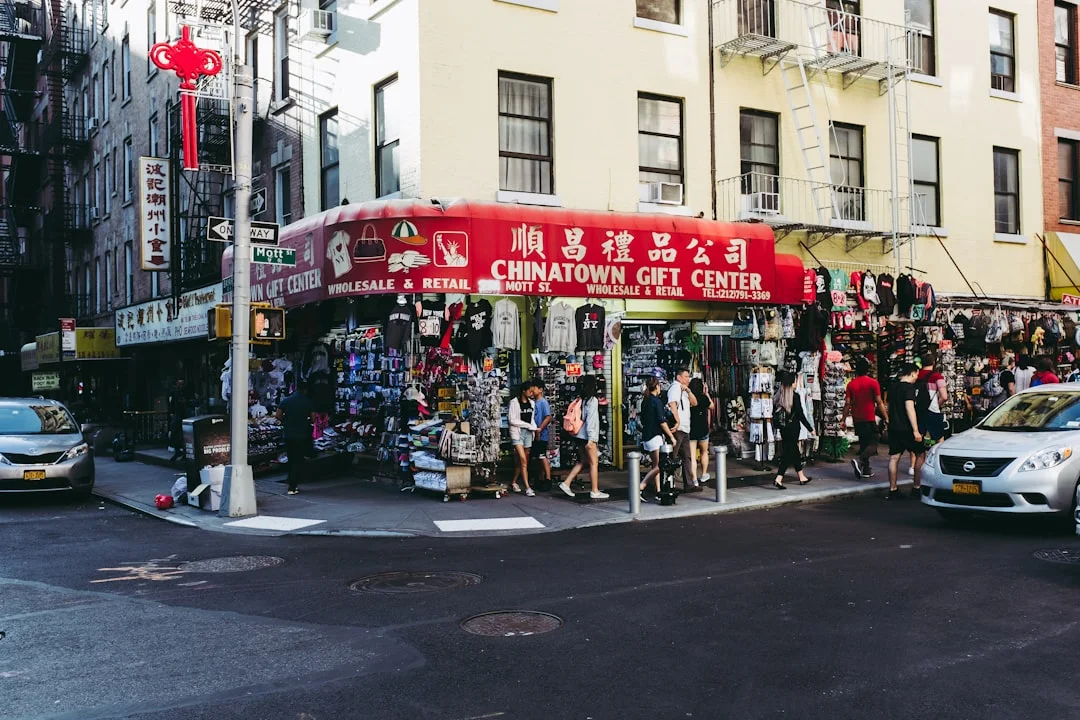
The Immigrant Heritage Celebration includes a social media toolkit, a set of digital resources for communities to promote events, and illustrated materials that celebrate diverse immigrant enclaves—from Chinatown and Little Dominican Republic to Little Bangladesh and Little Caribbean—across NYC. While the materials are broad in scope, they also offer a practical mechanism for districts seeking to raise visibility, attract audiences, and coordinate cross-neighborhood programming that integrates with technology-driven experiences, such as digital maps, mobile guides, and interactive art installations. The MOIA materials indicate ongoing scheduling of Immigrant Heritage Week events and collaboration across community partners, underscoring a multi-neighborhood approach to Immigrant-Led Cultural Districts NYC 2026. (nyc.gov)
The People’s Theatre and Immigrant-Led Cultural Venues
A concrete example of immigrant-led cultural infrastructure is The People’s Theatre initiative led by WORKac, which envisions a Centro Cultural Inmigrante in NYC’s Inwood/Washington Heights corridor. The project describes a flexible cultural space designed to amplify voices from immigrant communities and to host work by local artists and arts organizations. If realized, centers like The People’s Theatre would serve as anchor institutions for neighborhood cultural districts, offering a physical hub where digital and in-person programming intersect and where community-driven content can be scaled through partnerships with universities, cultural nonprofits, and private developers. This project demonstrates how architectural and design firms are thinking about immigrant-led culture not merely as a festival calendar but as a permanent, mixed-use cultural spine for neighborhoods. (work.ac)
Public Institutions and City-Led Programs that Shape Districts
In addition to demographic data and celebration programs, the city’s cultural infrastructure programs shape immigrant-led districts. The NYC Department of Cultural Affairs (DCLA) administers funds, manages cultural facilities, and supports neighborhood-based cultural ecosystems through initiatives such as Building Community Capacity (BCC), the Cultural Development Fund (CDF), and various capital projects that enable new or expanded cultural spaces. These programs are designed to strengthen neighborhood culture while aligning with broader city planning and economic development goals. The ongoing public investment in cultural facilities and community capacity aligns with the Immigrant-Led Cultural Districts NYC 2026 narrative by providing the physical and organizational scaffolding for immigrant-led cultural districts to flourish. (nyc.gov)
Section 2: Why It Matters
Cultural Diversity as an Economic Engine
The data behind cultural vitality
The 2026 Newest New Yorkers report emphasizes that immigrants are integral to the city’s culture and economy. With an immigrant population of 3.1 million and more than one-third of residents born abroad, immigration is not only a social phenomenon; it is a sustained economic and cultural engine. The fact that 43% of the city’s workforce is foreign-born underscores the central role immigrant communities play in labor markets, entrepreneurship, and innovation ecosystems. These data points have direct implications for Immigrant-Led Cultural Districts NYC 2026. District-level clusters of immigrant-owned businesses, cultural venues, and service providers are likely to strengthen the city’s creative economy, attract tourism, and diversify supply chains for arts and culture. The city’s messaging around inclusive growth reinforces the idea that investment in immigrant-led cultural districts supports both culture and commerce. (nyc.gov)
Neighborhood micro-economies and cross-traffic
Within the five boroughs, immigrant-led cultural districts generate cross-pollination: foodways, music, fashion, and visual arts attract audiences from different neighborhoods, thereby increasing foot traffic, storefront vibrancy, and real estate tradeoffs. For example, immigrant enclaves in places like East Harlem and Sunset Park have historically served as cultural magnets—driving small-business growth, artisanal economies, and diverse dining ecosystems. The Newest New Yorkers data reinforce the idea that these districts are not isolated pockets but are connected to a broader urban economy through language diversification, labor mobility, and cultural exchange. Local planners and business improvement districts are increasingly looking at how to pair cultural programming with commercial activity to sustain neighborhoods without displacing long-time residents. (nyc.gov)
Technology, Data, and the Modern District
Data-driven planning and interactive tools
The 2026 edition’s interactive web version enhances accessibility to demographic and economic data, enabling planners, community groups, and investors to identify emerging immigrant hubs, tailor programs to neighborhood needs, and monitor the impact of cultural districts over time. Interactive data visualization makes it possible to track shifts in immigrant population, workforce composition, and language diversity at a granular level, informing decisions about where to allocate resources, how to design programming, and how to partner with tech-enabled platforms to reach audiences. This data-centric approach aligns with CreateNYC’s implementation framework, which emphasizes coordinated public-private efforts and disciplined evaluation of cultural initiatives and workforce strategies. The fusion of data analytics with cultural programming supports more precise targeting of Immigrant-Led Cultural Districts NYC 2026 investments. (nyc.gov)
Platform opportunities for districts
Technology can help immigrant-led cultural districts scale beyond physical sites. Digital marketplaces for arts and crafts, virtual tours of neighborhoods, and location-based apps that highlight immigrant-owned businesses can expand reach without requiring large capital expenditures. The concept of district-level support aligns with public initiatives like L10 Arts in Downtown Brooklyn and Willets Point’s public art projects, which demonstrate how cultural districts can anchor mixed-use development and community identity. While these examples span different neighborhood scales, they collectively show how technology-enabled experiences—guided by public funding and private investment—can expand the audience for immigrant-led cultural districts in NYC in 2026 and beyond. (edc.nyc)
Risk factors and policy considerations
As Immigrant-Led Cultural Districts NYC 2026 gain momentum, several risk factors require ongoing attention: affordability and displacement pressures, the need for capacity-building among smaller cultural organizations, and ensuring that new developments reflect community priorities rather than top-down agendas. The city’s Building Community Capacity program (BCC) and related funding mechanisms are designed to address some of these concerns by strengthening nonprofit cultural organizations and community-based groups in neighborhoods undergoing planning and development. Policy frameworks like the CDF guidelines and capital funding processes are intended to provide predictable support for communities while maintaining accountability and inclusivity. The existence of these programs indicates an institutional commitment to sustainable growth in immigrant-led cultural ecosystems, which is essential for long-term success of Immigrant-Led Cultural Districts NYC 2026. (nyc.gov)
Real-World District Examples and Emerging Models
Sunset Park and Little Caribbean as case studies
Sunset Park, Brooklyn, is highlighted as a historically immigrant-rich neighborhood with significant foreign-born resident shares, including substantial Puerto Rican and broader Latin American populations. Neighborhood profiles and community resources note that immigrant communities have long shaped the district’s cultural and economic life, with ongoing investments in arts and business that reinforce district identity. The presence of robust immigrant networks in Sunset Park, including experiences with cultural events and neighborhood-run initiatives, provides a template for how Immigrant-Led Cultural Districts NYC 2026 could organize around community-led venues, small businesses, and cross-cultural programming that leverages digital tools to reach broader audiences. While the precise statistics in every district vary, the Sunset Park profile helps illustrate how immigrant-led ecosystems function at the district level and how public programs can support them. (nyc.gov)
East Harlem and El Barrio as historic anchors
East Harlem, also known as El Barrio, has a long history as an immigrant enclave with rich cultural institutions (for example, El Museo del Barrio) that contribute to a district’s vibrancy. The district’s cultural heritage is deeply tied to waves of immigrant communities and their evolving artistic practices, a pattern that resonates with the Immigrant-Led Cultural Districts NYC 2026 framework. While East Harlem’s history extends well beyond 2026, the district demonstrates how cultural institutions and community organizations can serve as anchors for modern, immigrant-led cultural districts, especially when supported by public funding and cross-sector partnerships. (elmuseo.org)
Loisaida and Lower East Side programming
Loisaida’s festival ecosystem on the Lower East Side, which celebrates Latinx and immigrant cultures through a multi-venue, annual festival, offers a practical example of community-led cultural activation that can be scaled through partnerships with city programs and private sponsors. The festival’s sponsorship pages and activity history illustrate how immigrant-led cultural programming can become a recurring, city-facing event that draws audiences from across neighborhoods, contributing to a wider network of immigrant-led cultural districts citywide. These kinds of programs provide a proof-of-concept for scalable, district-level cultural activity that complements formal district designations. (loisaidafest.nyc)
Broader Context: Citywide Cultural Policy and District Design
DCLA and CreateNYC in support of neighborhood culture
The Department of Cultural Affairs (DCLA) plays a central role in sustaining neighborhood-level arts ecosystems through funding, partnerships, and capital investments. The agency’s ongoing initiatives, including Build Community Capacity (BCC) and the Cultural Development Fund (CDF), reflect a strategic approach to enhancing the cultural infrastructure essential for Immigrant-Led Cultural Districts NYC 2026. The CDF guidelines and capital-funding processes provide a framework for equitable distribution of resources, enabling smaller cultural groups in immigrant-rich districts to participate in the city’s cultural economy. These policy tools help ensure that the growth of immigrant-led districts aligns with broader public goals around equity, access, and economic development. (nyc.gov)
Public-private collaboration and district infrastructure
News and project briefs, such as the L10 Arts and Culture Center in Downtown Brooklyn, illustrate how public-private partnerships can create culturally significant anchors that serve diverse communities. These centers help to anchor district identity, drive foot traffic, and provide shared spaces for performances, studios, and community programming. While L10 is a Downtown Brooklyn example, the underlying model—public investment catalyzing district-level culture that is inclusive of immigrant communities—maps well onto the Immigrant-Led Cultural Districts NYC 2026 narrative and can inform district plans citywide. (edc.nyc)
Section 3: What’s Next
Timeline and Next Steps for Immigrant-Led Cultural Districts NYC 2026
Short-term milestones (2026–2027)
- June 2026: The interactive edition of The Newest New Yorkers is publicly accessible, allowing communities to examine neighborhood-level immigrant dynamics and workforce composition. This accessibility will support district planners and local leaders as they map opportunities for immigrant-led cultural growth. (nyc.gov)
- June 2026: Immigrant Heritage Celebration activities ramp up with a statewide and citywide emphasis on immigrant influence; districts can align events with MOIA’s toolkit to maximize visibility and cross-district participation. (nyc.gov)
- 2026–2027: DCLA and MAS-led programs such as Building Community Capacity and other funding mechanisms continue to identify and support neighborhood partners aiming to create or stabilize immigrant-led cultural spaces. District leaders may pursue capital improvements and programmatic grants to build or renovate venues that host local artists, performances, and education programs. (nyc.gov)
Medium-term actions (2027–2029)
- District-level dashboards and inter-district collaborations emerge as immigrant-led districts leverage shared platforms for audience development, ticketing, and artist pipelines. The combination of city data, MOIA outreach, and DCLA funding programs creates a coordinated environment where districts can scale programming, replicate successful models, and attract private sector partnerships. The CreateNYC framework emphasizes cross-agency collaboration and systematic evaluation, which will be integral to the success of Immigrant-Led Cultural Districts NYC 2026 as it moves into broader implementation. (createnyc.cityofnewyork.us)
Long-term outlook (2030 and beyond)
- The city’s cultural policy trajectory suggests ongoing expansion of immigrant-led districts, with more formalized designations and potentially larger capital investments in district infrastructure. This could include improvements to streetscapes, performance venues, artist housing, and digital infrastructure in immigrant-dense neighborhoods, all aimed at sustaining both cultural expression and economic vitality. The data-driven approach and public-private partnerships established in 2025–2026 provide a foundation for continued growth, even as market dynamics shift. While precise outcomes will depend on policy choices and community priorities, the 2026 data set signals a durable shift toward immersive, technology-enabled immigrant-led cultural districts across NYC. (nyc.gov)
What to Watch For
- Emergence of new immigrant-led cultural hubs across the five boroughs and their impact on local economies, real estate markets, and small business ecosystems.
- Public funding and program changes to support neighborhood cultural capacity, including updates to the Cultural Development Fund, capital projects, and partnerships with community organizations.
- Increased public-private partnerships that anchor cultural districts with new venues, performance spaces, and community hubs, creating opportunities for tech-enabled programming, creative entrepreneurship, and cross-cultural exchange.
- Community-led events and installations that celebrate immigrant enclaves, mirroring MOIA’s Immigrant Heritage Celebration and citywide cultural initiatives.
Closing
New York City’s Immigrant-Led Cultural Districts NYC 2026 story is still being written, but the facts are clear: immigrant communities are a foundational driver of the city’s culture and economy, and the city is committing to data-informed, inclusive processes to support them. The 2026 Newest New Yorkers report provides a solid, data-backed baseline for planning district-level growth, while ongoing MOIA programs and DCLA initiatives offer concrete mechanisms to translate that data into real-world spaces, venues, and experiences. As districts evolve, readers can expect more cross-neighborhood collaboration, more tech-enabled programming, and more opportunities for residents and visitors to engage with the city’s vibrant immigrant-led cultural landscape. To stay updated, follow MOIA announcements, DCLA funding notices, and citywide cultural plans such as CreateNYC and related district-development initiatives, which together map the path forward for Immigrant-Led Cultural Districts NYC 2026 and beyond.