Hidden Gourmet Corridors NYC 2026: Data-Driven Market Trends

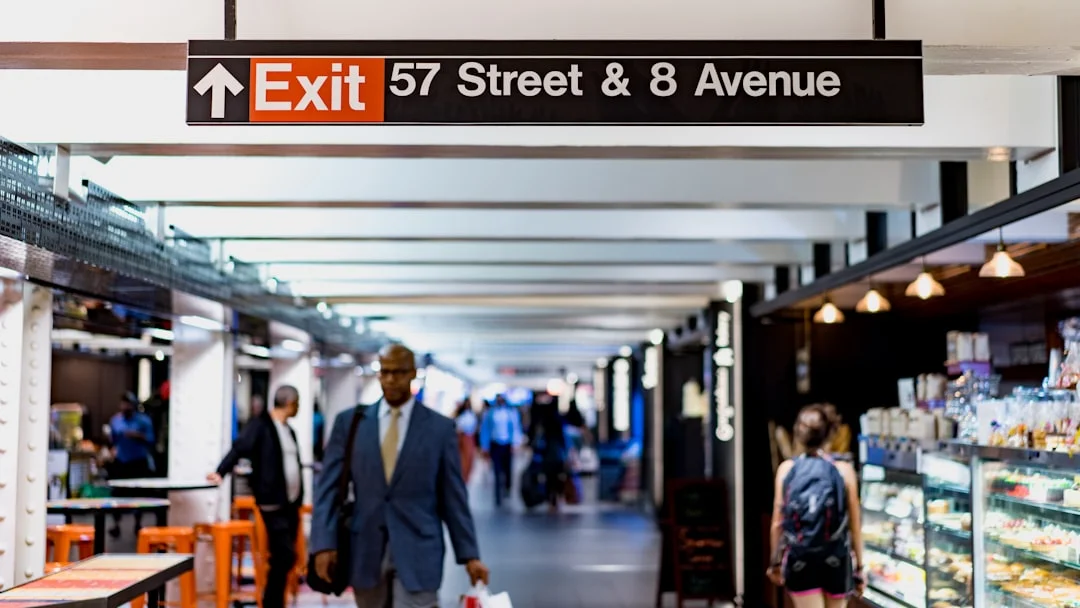
Photo by Dan Gold on Unsplash
The concept of Hidden Gourmet Corridors NYC 2026 is gaining traction in Manhattan as researchers, policy makers, and industry players begin to treat loosely connected pockets of food innovation as a cohesive urban economy. This year’s data-driven analysis points to a city where micro-kitchens, ghost kitchens, and neighborhood dining clusters are not merely trends but anchors for neighborhood vitality. In 2026, readers will find evidence of how these corridors are shifting where people eat, work, and live—and why that shift matters for consumers, entrepreneurs, and city planners alike. As of May 3, 2026, the city is seeing a notable rise in ventures that leverage shared kitchen spaces, street-facing culinary pop-ups, and strategic corridor development to enable faster scale, better access to diverse cuisines, and more resilient local economies. This piece synthesizes the latest developments, headline events, and the data signals shaping Hidden Gourmet Corridors NYC 2026, drawing on official city initiatives, industry observations, and market benchmarks to provide a clear, actionable picture for readers of Manhattan Monday. (nimbuskitchen.com)
Hidden Gourmet Corridors NYC 2026 is not a single, centralized program. Instead, it refers to an emergent pattern: clusters of culinary activity that form organically or through targeted policy and economic development efforts, often anchored by affordable spaces, shared facilities, and a mix of permanent and temporary concepts. This framing is supported by a landscape of shared kitchens, food marketplace dynamics, and corridor-level investments that are already visible in 2026 across Manhattan and neighboring boroughs. For readers who track market trends, the term helps organize a conversation about how new dining models interact with real estate, labor markets, consumer preferences, and city services. As background context, New York City’s ongoing investments in food access and local entrepreneurship—such as municipal grocery initiatives and outdoor dining programs—illustrate the broader policy environment that makes Hidden Gourmet Corridors NYC 2026 plausible as a data-driven lens. (nyc.gov)
Opening the year with a practical focus, the city’s business environment has seen a flurry of activity around corridors and micro-operations that echo the Hidden Gourmet Corridors concept. A notable example is the return of Dining Out NYC, the city’s roadway dining program, which reopened for the 2026 season on April 1 and quickly became a reference point for how urban dining infrastructure can scale under changing street-use rules. Operators and diners alike scanned the landscape to identify where al fresco experiences would land this season, underscoring the appetite for adaptable spaces that support food entrepreneurship and vibrant street life. The program’s continuity signals a stable platform on which corridor-level food ventures can build, test, and adapt. (ny1.com)
Section 1: What Happened
A city-wide reorientation around culinary corridors
Across Manhattan and its environs, the 2026 landscape for food-focused corridors reflects a deliberate shift toward integrating culinary activity with neighborhood revitalization efforts. In East Harlem, for example, the city announced La Marqueta as the first site identified for a city-owned grocery store network, a move that intertwines access to fresh food with the cultural energy of a longstanding neighborhood hub. The April 14, 2026 announcement indicates a broader plan to establish municipal grocery stores across five sites, aiming to lower costs, support local vendors, and anchor community life. The first store is scheduled to open in late 2027, with the entire network slated to be operational by the end of the mayor’s first term, including the East Harlem site. This development aligns with a trend of using public infrastructure to support neighborhood vitality and food affordability, a core element of the Hidden Gourmet Corridors NYC 2026 narrative. (nyc.gov)
In another part of the city, a growing constellation of corridors blends historic street life with modern culinary concepts. A prominent example is the emergence of a 24/7 “eat-live-play” corridor that stretches from the southern edge of Times Square through Koreatown to the Garment District, where new restaurant concepts and long-running institutions are converging to form a continuous dining and entertainment spine. City commentary and industry reports emphasize that these corridors are not simply about feeding people; they’re about creating walkable ecosystems where late-night dining, refined takeout concepts, and experiential food venues reinforce each other. This pattern mirrors broader urban strategies that see corridors as engines of neighborhood vitality, attracting workers, residents, and visitors in a cycle of foot traffic, spending, and cultural exchange. (citybiz.co)
Notable 2026 developments and pilot programs
The 2026 landscape also features a mix of transient and permanent culinary deployments that illustrate the scale and speed of change. For instance, Smorgasburg, a leader in open-air food markets, is expanding its footprint with Six Coasts by Smorgasburg on Governors Island, opening May 9, 2026, as a seasonal, waterfront dining destination. The event marks how urban corridors can host high-traffic, multi-vendor experiences that complement fixed restaurant blocks, thus contributing to the broader notion of Hidden Gourmet Corridors NYC 2026 by incorporating more diverse vendor formats into the city’s food economy. (iloveny.com)
Meanwhile, new concepts entering the NYC market illustrate the ongoing experimentation within corridor ecosystems. Goop Kitchen, the chef-crafted concept expanding outside California, announced its entry into New York City with a launch set for April 20, 2026, signaling a new wave of upscale, delivery-leaning concepts that leverage shared kitchen models in dense urban areas. The goop kitchen launch adds another data point to the Hidden Gourmet Corridors framework, highlighting how high-profile, chef-led concepts move into city corridors and influence competitive dynamics among both traditional restaurants and ghost-kitchen operators. (prnewswire.com)
Beyond these larger-brand moves, the city’s appetite for flexible kitchen spaces continues to grow. Nimbus Kitchen and similar shared-kitchen operators have expanded to multiple locations in New York City, offering scalable space for food startups, pop-up brands, and established restaurateurs testing new concepts. This infrastructure—designed to reduce fixed costs and accelerate market entry—serves as a critical backbone for Hidden Gourmet Corridors NYC 2026, enabling more players to participate in the city’s dynamic culinary economy without prohibitive upfront capital. (nimbuskitchen.com)
Timeline of key events and data signals
The unfolding events provide a tangible timeline that readers can anchor in 2026. The Outdoor Dining program’s 2026 revival on April 1 established a navigable framework for street-level dining, allowing operators to deploy and reposition outdoor spaces as needed, while city data tools offer diners a way to locate licenses by neighborhood and cuisine. This operational stability is essential for corridors to function as expected—sustaining street-level commerce, supporting adjacent businesses, and maintaining a steady cadence of dining options for residents and visitors. (secretnyc.co)
On April 14, 2026, the La Marqueta public grocery site announcement reinforced the concept that corridors thrive when neighborhood-focused infrastructure and food access coexist. The Mayor’s Office emphasized that the five-site grocery strategy aims to deliver affordable, high-quality groceries, reduce the cost burden on households, and anchor neighborhood vitality. While the timeline envisions openings beginning in 2027 and culminating in 2029 for the first site, the announcement demonstrates how corridors evolve through public investment and collaboration with private partners. (nyc.gov)
In parallel, market-interest signals from urban markets and dining districts show a growing appetite for diverse culinary formats. Smorgasburg’s Governors Island expansion, open in May 2026, highlights how corridors can host seasonal, multi- vendor experiences that attract different audience segments and extend the city’s culinary calendar. The event underscores the potential for corridor-based experiences to attract new visitors while providing a platform for smaller operators to gain visibility in high-footfall zones. (iloveny.com)
Section 2: Why It Matters
Economic vitality and neighborhood resilience

Hidden Gourmet Corridors NYC 2026 carries implications for economic vitality and neighborhood resilience. When corridors host a mix of permanent restaurants, ghost kitchens, and pop-ups, they create a pipeline for job formation, entrepreneurship, and inclusive growth. Industry observers point to corridors as engines that can revitalize otherwise stagnant streets by driving foot traffic, increasing adjacent retail sales, and supporting durable employment opportunities. This is consistent with the city’s broader approach to leveraging culinary activity as an anchor for neighborhood development, as illustrated by the La Marqueta municipal grocery program and related initiatives aimed at lowering costs and stabilizing access to fresh food in diverse neighborhoods. (nyc.gov)
A core tenet of this approach is the use of shared kitchen infrastructure to reduce barriers to entry for small operators and diverse cuisines. Nimbus Kitchen and other shared-kitchen networks have demonstrated that flexible space can enable a broader set of entrepreneurs—ghost brands, meal-prep startups, and culinary educators—to test concepts with lower upfront risk. This is particularly relevant in a city where real estate costs are high and the time-to-market pressure for new concepts is intense. The scalability offered by shared kitchens aligns with the Hidden Gourmet Corridors NYC 2026 framework by lowering the cost of experimentation and accelerating market feedback loops. (nimbuskitchen.com)
Consumer access, affordability, and cultural exchange
From the consumer perspective, Hidden Gourmet Corridors NYC 2026 translates into greater access to a wider array of cuisines and dining formats. The return of outdoor dining, the prospect of city-owned groceries in multiple neighborhoods, and the growth of multi-vendor market experiences all contribute to a more varied and accessible food environment. The city’s ongoing outdoor-dining program and the expansion of open-market concepts provide more touchpoints for residents and visitors to explore new flavors without committing to a fixed, brick-and-mortar restaurant every time. These dynamics are particularly important in a city with a long-standing reputation for culinary diversity and a broad appetite for experimentation. (secretnyc.co)
The budgetary and policy context also factors in. The city’s 2025–2026 food-policy reports emphasize programs designed to train, equip, and support local food businesses—an essential part of the corridor ecosystem. Initiatives like First Course NYC, a professional training program, and other city-led food-education and marketplace efforts illustrate a public commitment to nurturing culinary talent and supply chains that feed Hidden Gourmet Corridors NYC 2026. The two-year progress reports and policy briefs provide a backdrop against which corridor developments can be assessed for long-term sustainability and equity. (nyc.gov)
Industry dynamics and competitive landscape
For operators, corridor-based growth changes competitive dynamics in Manhattan’s food economy. Traditional sit-down concepts compete with delivery-first and hybrid formats that leverage shared-kitchen networks, pop-ups, and micro-operations. In this context, corridors become ecosystems where multiple concepts co-exist and cross-pollinate— delivery services can test new menus in pop-ups, while brick-and-mortar venues can collaborate with ghost-kitchen partners to expand reach. The emergence of high-profile concepts like goop kitchen entering NYC and established brands expanding into urban corridors demonstrates how the competition for consumer mindshare is intensifying, while the shared infrastructure helps level the playing field for smaller operators. (prnewswire.com)
Moreover, the city’s policy environment, including the public-grocery initiative and the ongoing outdoor-dining program, creates a framework in which investors and operators can plan around long-cycle development timelines. The La Marqueta initiative, in particular, signals a willingness to use public assets to anchor corridors with essential services, while private sector actors push forward with innovative dining formats. Taken together, these dynamics offer a balanced view of the Hidden Gourmet Corridors NYC 2026 as a data-driven phenomenon influenced by policy, market demand, and entrepreneurial experimentation. (nyc.gov)
Who it affects
- Local residents: Access to affordable groceries, more dining options, and pedestrian-friendly corridors that encourage walking and local commerce.
- Small business owners: Lowered barriers to entry via shared-kitchen facilities and test markets in corridor hubs.
- Real estate and neighborhood planners: Corridor-based activity informs zoning, pedestrian safety, and street-level infrastructure investments.
- Tourists and in-city visitors: Expanded opportunities to experience diverse cuisines and culinary experiences as part of a city-wide food itinerary.
- Labor market: New roles in ghost kitchens, commissaries, and pop-up operations, with potential for upskilling through programs like First Course NYC. (nyc.gov)
Section 3: What’s Next
Timeline, next steps, and what to watch
- Short term (next 6–12 months): Expect continued growth in shared-kitchen networks and corridor pop-ups that leverage flexible spaces to test new concepts. The presence of outdoor-dining capacity, as renewed in April 2026, will influence how operators stage outdoor concepts in corridors, with license-tracking tools helping diners find available setups by neighborhood and cuisine. This near-term activity will be visible in neighborhoods with strong transit access and high foot traffic, where demand for diverse, accessible dining remains robust. (secretnyc.co)
- Medium term (12–24 months): The first site in the La Marqueta municipal grocery program is scheduled to open by 2029, with the initial location likely to appear by late 2027. The five-site plan signals a multi-year corridor-building effort that will require coordination among city agencies, private operators, community groups, and funders. Expect corridor-focused procurement, vendor collaborations, and neighborhood engagement processes to accelerate as the program unfolds. (nyc.gov)
- Long term (beyond 2026): As more corridors gain traction, the ecosystem will increasingly rely on a combination of permanent venues, semi-permanent concepts, and flexible spaces. The Governors Island Six Coasts opening in May 2026 illustrates how seasonal and waterfront corridors can become year-round anchors in the right climate and policy environment. Keep an eye on how these dynamic environments influence real estate strategies, transit-oriented development, and cultural programming along major corridors. (iloveny.com)
Next steps for readers and stakeholders
- For operators and investors: Monitor the city’s dining and food-access policy releases, and engage with corridor planning initiatives to identify pilot opportunities in high-potential neighborhoods. The coordination evident in the La Marqueta grocery project and ongoing outdoor-dining licensing tools suggests a structured pathway for new concepts to enter the market with city support. (nyc.gov)
- For readers and advocates: Follow corridor developments as proxies for neighborhood health and access to diverse foods. Public demonstrations of corridor impact, such as the grocery-store program and outdoor-dining expansion, offer concrete levers for communities to shape their local food economy. (nyc.gov)
- For policymakers and planners: Use the Hidden Gourmet Corridors NYC 2026 lens to evaluate the effectiveness of corridor interventions in improving affordability, access, and resilience. Data-driven studies, including food-policy reports and city-budget analyses, should continue to inform policy refinements and funding decisions. (nyc.gov)
Closing
As ManhattanMonday reporters observe, Hidden Gourmet Corridors NYC 2026 is less a single program and more a framework for understanding how modern food ecosystems form, propagate, and mature within a dense urban fabric. The convergence of shared-kitchen platforms, multi-format dining experiences, and policy-led infrastructure investments signals a new phase in which culinary activity becomes a central driver of neighborhood vitality rather than a side effect. The coming years will reveal how these corridors evolve—whether they become permanent arteries of city life or adapt as needed to shifting economic, demographic, and climate realities. What is clear today is that the city is embracing a more flexible, interconnected approach to food, one that blends innovation with accessibility and places the kitchen at the heart of urban life. Readers can stay updated through official city channels and ongoing coverage that tracks the unfolding corridor story, including the grocery-store rollout, outdoor-dining developments, and the expanding network of shared kitchens that together form the backbone of Hidden Gourmet Corridors NYC 2026.
