Harlem Arts Revival 2026: Data-driven Market Insights
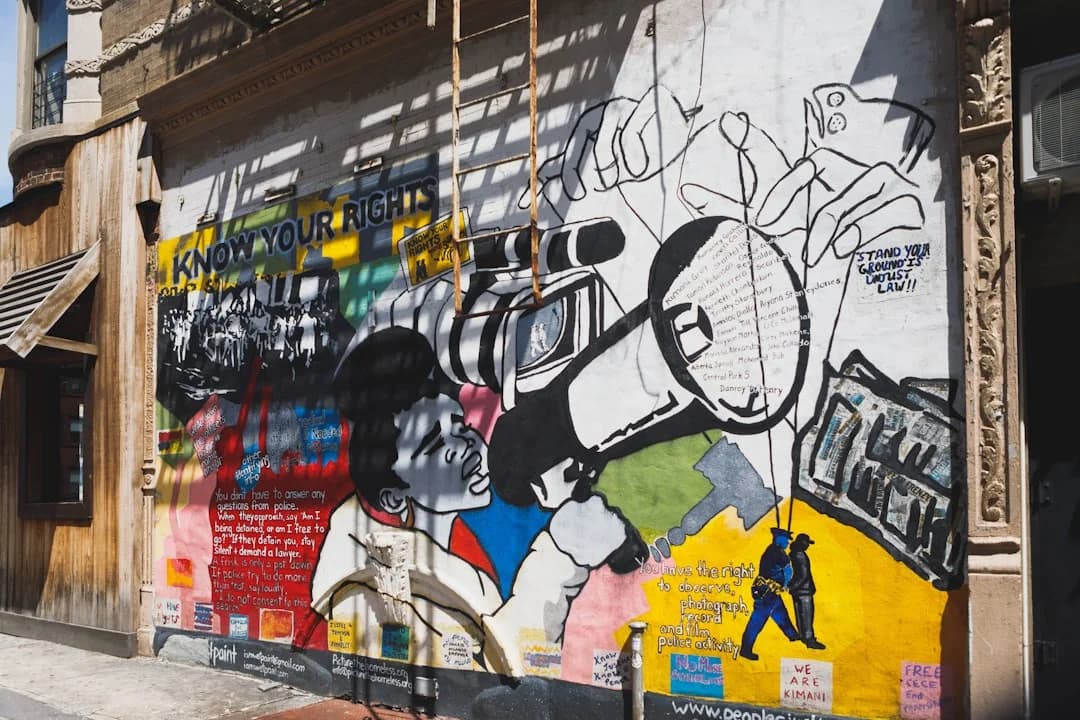
Photo by Seven Shooter on Unsplash
The year 2026 marks a pivotal moment for Harlem’s cultural ecosystem as Manhattan Monday presents a data-driven view of Harlem arts revival 2026. Across the neighborhood, galleries, museums, and nonprofit organizations are coordinating programs that blend traditional arts with technology-enabled experiences. The most visible signal to date is the Harlem Fine Arts Show’s 18th season, HFAS18, which will transform The Glasshouse in Midtown for a three-day run from February 20 to February 22, 2026, with more than 100 participating artists and a curated slate of talks and events. This event, positioned as a showcase of African-diaspora art, embodies a broader strategic push toward making Harlem a hub of innovation in the arts economy. The year’s calendar also includes leadership initiatives, space-sharing collaborations, and a series of exhibitions in Harlem’s newly renovated museums, signaling a deliberate, data-informed effort to strengthen the neighborhood’s cultural economy. Harlem arts revival 2026 signals not only cultural renewal but also a measurable shift in audience engagement and institutional partnerships that could reshape how arts districts are evaluated in the Northeast Corridor.
This moment is being driven by several mid- and large-scale organizations that have announced program expansions, new residencies, and cross-institution collaborations. The Harlem Fine Arts Show (HFAS) is returning to The Glasshouse, reaffirming Harlem’s role in contemporary art discourse and commerce, while simultaneously highlighting the integration of technology with visual culture through its theme “Art For Technology.” The Glasshouse venue—situated at 660 12th Avenue, New York, NY 10019—will host the event as part of HFAS18 from February 20 to February 22, 2026. The event promises more than 100 artists, a curated talk series, and a suite of exclusive events designed to connect artists with collectors, curators, and technologists. This particular iteration of HFAS provides a measurable data point for Harlem’s 2026 arts revival, offering a concrete figure set (attendance dynamics, exhibitor counts, and ticketing patterns) that can be tracked alongside other cultural indicators. (hfas.org)
Beyond HFAS, Harlem Stage has launched Good Ground: The Next Generation of Women Leaders in the Arts, a two-year global initiative designed to cultivate 30 young women of color between 18 and 27 for leadership roles within arts and culture. The program officially starts with a one-week residency in January 2026 and includes ongoing trainings, internships, and mentorship. This program places Harlem Stage at the center of a pipeline strategy that connects leadership development to long-term organizational resilience—a core data point in understanding how Harlem arts revival 2026 is evolving beyond exhibitions into systemic capacity-building. The Good Ground program is explicitly committed to equity and access, including travel stipends for out-of-town fellows and stipends for all participants. (harlemstage.org)
Concurrently, the Studio Museum in Harlem opened its new building in November 2025 and announced its Spring 2026 season, including major installations such as Fade, Kapwani Kiwanga’s BLEED, and Expanding the Walls: Making Connections Between Photography, History, and Community. The Studio Museum’s reopening represents a significant milestone for Harlem’s cultural infrastructure, providing expanded gallery space and a platform for new work by artists of African descent from across the United States and the African diaspora. The Spring 2026 lineup demonstrates a commitment to ongoing exploration of how technology, history, and community intersect in contemporary black art. (studiomuseum.org)
In addition to these marquee programs, funding and space-sharing initiatives are expanding across Harlem’s nonprofit sector. The AHL Foundation’s Space Uptown: Community (for) Fair 2026, running from February 13 to March 14, 2026, in Harlem, will present a collective exhibition featuring Harlem- and Bronx-based arts and cultural nonprofits. This format—a “fair” of community-based organizations—highlights how local actors are leveraging collaboration to expand visibility and accessibility for diverse audiences. The exhibition emphasizes non-traditional objects and practices as part of the curation, foregrounding labor, community practice, and cultural memory as a core part of the exhibit’s value proposition. The event is supported by the New York City Department of Cultural Affairs, among others, underscoring municipal investment in Harlem’s arts economy. (ahlfoundation.org)
Harlem’s arts ecosystem is also energized by community-facing convenings and industry events. The Harlem Arts Alliance hosted a Town Hall Meeting in February 2026 to discuss arts and culture in Harlem, illustrating a commitment to participatory governance and community input as part of the revival. The town hall, held at Harlem School of the Arts, is designed to engage residents, artists, and institutions in shaping the cultural agenda for the coming year. The presence of these public conversations indicates an alignment between cultural programming and community priorities as Harlem charts a path for Harlem arts revival 2026. (harlemaa.org)
This confluence of exhibitions, residencies, leadership programs, and community forums forms a broader narrative: Harlem is stitching together artistic production with market-facing activities and equitable leadership development. The convergence of events, funders, and institutions around Harlem arts revival 2026 is a signal to developers, investors, artists, and audiences that Harlem’s cultural economy is increasingly data-informed, collaborative, and multi-sector in its approach. The year’s activities will be observed closely by scholars, policymakers, and industry observers who study how arts districts evolve under pressure from urban development, tourism, and digital disruption. The momentum is particularly notable for the way technology is embedded in programming choices, audience engagement strategies, and economic models, reflecting a broader trend in how cities are recalibrating art markets to be more inclusive and resilient. For those tracking the economics of culture in New York City, Harlem arts revival 2026 offers a useful case study in how a dense urban arts ecosystem can evolve through coordinated, data-driven strategies.
What happened in Harlem during early 2026 reveals that the region’s cultural leadership is leaning into a model that blends high-profile exhibitions with targeted leadership development and community-centered programming. HFAS18, with its explicit theme of technology in art and its large roster of artists, functions as a bellwether event that can influence nearby galleries, curators, and collectors to consider cross-market collaborations and investment opportunities. The event’s return to The Glasshouse, a venue known for its flexible space and accessible logistics, highlights Harlem’s growing integration with Manhattan’s broader cultural economy, suggesting an expansion of audience access channels that includes nontraditional art venues and tech-forward programming. The timeline is clear: HFAS18 in February 2026 stands as a cornerstone, followed by Harlem Stage’s leadership initiatives and the Studio Museum’s spring program, which collectively shape expectations for cultural engagement in Harlem through mid-2026 and into 2027. (hfas.org)
Section 1: What Happened
HFAS18: Return to The Glasshouse and a Technology-Centered Theme From February 20 to 22, 2026, the Harlem Fine Arts Show (HFAS) returns to The Glasshouse in New York City, reaffirming Harlem’s central role in contemporary diasporic art. The event features more than 100 artists and a curated program that includes artist talks, book signings, and exclusive events, all anchored by the theme “Art For Technology.” The venue is located at 660 12th Avenue, New York, NY 10019, placing HFAS18 within easy reach for attendees traveling from across the city and region. The event, described as “the nation’s premier showcase of art from the African diaspora,” reflects a data-driven approach to audience development—tracking attendee demographics, artist representation, and programmatic outcomes to maximize impact for artists and investors alike. The HFAS18 program also spotlights its featured artist, Fitgi Saint-Louis, who embodies the intersection of ancestry and innovation. This combination of a high-profile venue, a robust artist roster, and a technology-forward thematic framing underscores Harlem’s evolving role as a hub for art-tech convergence. (hfas.org)
Space Uptown: Community (for) Fair 2026 and Cross-Organizational Collaboration AHL Foundation’s Space Uptown: Community (for) Fair 2026 runs from February 13 to March 14, 2026, at the AHL Foundation gallery in Harlem. The exhibition is designed as a collective presentation that brings together Harlem- and Bronx-based arts and cultural nonprofits, including organizations such as Artistic Noise, Children’s Art Carnival, Garifuna Heritage Center for the Arts and Culture, Sisters in Sharqi / Harlem Hafla, While We Are Still Here, and AHL Foundation. The show’s format centers around non-traditional “objects” and community-based practices to convey each organization’s mission and contribution to Harlem’s cultural ecosystem. This event illustrates a growing emphasis on collaborative exhibitions that foreground equity, proximity, and relationships as complementary to traditional gallery displays. The opening reception is set for February 13, 2026, with public access through March 14, and is supported by municipal arts funding and cultural affairs offices, signaling sustained government backing for community-based arts initiatives in Harlem. (ahlfoundation.org)
Studio Museum in Harlem: Spring 2026 Season and the New Home The Studio Museum in Harlem opened its new building to the public on November 15, 2025, and subsequently announced its Spring 2026 program, including Fade (the sixth installment in the “F” show series) and BLEED (Kapwani Kiwanga’s site-specific commission). The spring season opens in May 2026 and features a slate of exhibitions and installations designed to celebrate the museum’s ongoing collaboration with artists of African descent from around the world. The new building and the expanded programmatic schedule position Harlem as a focal point for contemporary black art, with a strong emphasis on the integration of architecture, space, and technology in exhibition design. The Spring 2026 lineup also confirms ongoing programs such as Expanding the Walls: Making Connections Between Photography, History, and Community, and From Now: A Collection in Context, reinforcing the Studio Museum’s strategy to blend historical documentation with contemporary practice in a single, living program. The Studio Museum’s leadership notes that its Spring 2026 programming builds on the momentum of the new facility and the institution’s long-standing commitment to artists of African descent. (studiomuseum.org)
Harlem Stage Renaissance Gala 2026: A Signature Cultural Event Harlem Stage’s Renaissance Gala 2026, set for May 18, 2026, at the Rainbow Room, marks a principal fundraising and recognition event for Harlem’s broader arts community. The gala inaugurates the Agnes Gund Medal of Visionary Philanthropy, honoring Catherine Gund on behalf of her family, and recognizing long-standing Harlem Stage supporters such as Courtney Lee-Mitchell and Fall of Freedom. The program will feature performances by notable artists and will help to catalyze ongoing support for Harlem Stage’s mission of elevating women of color into leadership roles in the arts. This gala exemplifies how flagship events function as both social and economic accelerants for cultural organizations and is an important signal of Harlem’s growing status as a hub for philanthropic investment in the arts. (amsterdamnews.com)
Harlem Arts Alliance Town Hall: Community Engagement and Policy Dialogue The Harlem Arts Alliance hosted a February 27, 2026 town hall meeting at the Harlem School of the Arts to discuss arts and culture in Harlem. The event demonstrates a commitment to civic engagement and community input as part of the broader Harlem arts revival 2026 narrative. Town halls like this help align community priorities with institutional programming, contributing to more inclusive programming decisions and a stronger sense of local ownership over the neighborhood’s cultural future. (harlemaa.org)
What happened in early 2026—ranging from HFAS18 to Good Ground and Space Uptown to the Studio Museum’s Spring 2026 program—highlights Harlem’s multi-faceted approach to arts revival. This approach combines exhibition-based activity with leadership development, space-sharing, and community-focused programming to build a more resilient cultural economy. The data points associated with these events—the number of participating artists, the scale and location of venues, and the scope of leadership programs—offer a concrete basis for evaluating Harlem’s progress in 2026. For example, HFAS18’s roster of more than 100 artists, and its focus on technology-driven art, provides a measurable metric for comparing annual growth and market interest in diasporic contemporary art. The Studio Museum’s expanded facilities and seasonal breadth deliver another quantifiable data point regarding audience capacity and visitor engagement in Harlem’s flagship art institution. (hfas.org)
Section 2: Why It Matters
Cultural and Economic Impact: A Broad-Based Growth Engine The Harlem arts revival 2026 narrative is anchored in events that link artistic innovation to audience development and market opportunity. HFAS18’s emphasis on “Art For Technology” positions Harlem at the nexus of creative production and digital culture, a framework that can attract tech-savvy collectors, cross-sector sponsors, and strategic partners. The event’s high-profile venue and the scale of participation signal a broader market interest in Harlem’s contemporary art, with potential spillovers into adjacent neighborhoods, galleries, and cultural venues. This is consistent with the overall trajectory of Harlem’s arts economy, where major institutions and events work in concert to elevate the neighborhood’s profile and drive tourism, commerce, and creative entrepreneurship. The presence of technology in art programming also suggests a more accessible, data-informed approach to audience engagement, with potential for enhanced data capture on attendee behavior, preferences, and engagement patterns. (hfas.org)
Leadership Development and Equity as Economic Levers Harlem Stage’s Good Ground program adds a critical dimension to Harlem’s revival by cultivating a new generation of women leaders of color in the arts. The program’s design—an intensive January 2026 residency followed by ongoing training and mentorship—addresses structural inequities in arts leadership and contributes to capacity-building within Harlem’s cultural ecosystem. By developing leadership and governance capabilities, Harlem’s institutions can better weather funding cycles, adapt to changing audience expectations, and sustain long-term community investment. The emphasis on equity and access in leadership development aligns with broader industry shifts toward diverse leadership pipelines and inclusive governance. This is a concrete signal that Harlem arts revival 2026 is not only about exhibitions but also about enduring organizational capacity, which will likely influence grantmaking, sponsorship, and collaboration dynamics in the years ahead. (harlemstage.org)
Community-Based Models and Public-Private Synergies The Space Uptown: Community (for) Fair 2026 exemplifies a trend toward collaborative, community-centered exhibitions that involve multiple nonprofits and share resources. This model fosters cross-institutional learning, expands the reach of cultural programs, and makes Harlem’s cultural infrastructure more accessible to a diverse audience. The involvement of the New York City Department of Cultural Affairs and other partners demonstrates how municipal support and private philanthropic networks can co-fund creative ecosystems that prioritize equity, education, and public engagement. These partnerships are a core element of Harlem arts revival 2026’s strategy to align cultural activity with community needs and urban development priorities—ensuring that the arts contribute to local vitality in a way that is sustainable and scalable. (ahlfoundation.org)
Technology, Access, and Audience Diversification The HFAS18 theme—Art For Technology—underscores a broader shift toward integrating digital processes, data-driven marketing, and new media into traditional art markets. This approach can help Harlem institutions reach broader audiences, optimize programming, and create new revenue models that leverage technology for audience analytics, virtual access, and cross-platform experiences. This alignment between technology and culture is a core factor shaping Harlem arts revival 2026’s market dynamics, especially as younger, digitally native audiences seek immersive, interactive experiences that combine art with data visualization, augmented reality, or online-physical exhibitions. The Studio Museum’s new building and spring programming further illustrate how technology and space design can enable deeper engagement with artworks and archival material, expanding the museum’s educational potential and attracting a broader demographic. (hfas.org)
Broader Context: Harlem as a Model for Urban Arts Ecosystems Harlem’s current revival can be viewed within a larger narrative about urban arts ecosystems that blend traditional galleries with nonprofit programming, artist-in-residence networks, and cross-sector partnerships. The Harlem Renaissance-era legacy continues to influence contemporary cultural policy and audience expectations. The Harlem Stage and HFAS efforts demonstrate a model in which leadership development, community involvement, and accessible venues converge to expand cultural participation and market vibrancy. The presence of high-profile events, funders, and city support signals a positive trajectory for Harlem’s cultural economy, and provides a framework for other neighborhoods seeking to cultivate sustainable arts ecosystems through data-informed policymaking, targeted investments, and inclusive programs. The Renaissance Gala, hosted by Harlem Stage, further demonstrates how philanthropic leadership can catalyze both social capital and financial resources that support ongoing cultural creation. (amsterdamnews.com)
Section 3: What’s Next
Upcoming Milestones and Watchpoints for Harlem arts revival 2026 Looking ahead, several milestones will shape Harlem’s cultural trajectory through mid-2026 and beyond:
- HFAS19 planning and artist participation: With HFAS18 as a benchmark, organizers are likely to initiate early-stage calls for artists, sponsors, and venue coordination for 2027, potentially expanding the roster beyond 100 artists and exploring new thematic alignments with technology, media, and design. The HFAS18 page indicates ongoing engagement with artists and partners, which typically translates into a multiyear attendance trajectory and sponsor renewals. (hfas.org)
- Space Uptown programming continuity: The Space Uptown series is designed to be ongoing, with annual or biennial editions. The 2026 edition foregrounds cross-neighborhood collaboration and collective exhibition practice. As the program matures, additional Harlem- and Bronx-based nonprofits are likely to participate, increasing the volume and variety of programming available to residents and visitors. (ahlfoundation.org)
- Studio Museum 2026–2027 exhibitions: Fade, BLEED, and Expanding the Walls programming are scheduled to unfold through 2026 and into 2027, providing a steady stream of exhibitions and educational programming at Harlem’s flagship contemporary art institution. The evolution of these shows will help calibrate the museum’s role within Harlem’s broader cultural economy and could influence curatorial partnerships citywide. (studiomuseum.org)
- Leadership and equity initiatives: Good Ground’s two-year commitment will run through 2027, establishing a pipeline for women of color in leadership roles within the arts sector. Observers will want to monitor the program’s outcomes—placement of fellows, leadership appointments, and cross-institutional collaborations—as indicators of long-term organizational resilience. (harlemstage.org)
- Community dialogue and policy alignment: The Harlem Arts Alliance town hall adds a governance dimension to Harlem’s revival. As communities weigh priorities for funding, programming, and education, expect more public-facing forums and stakeholder meetings to influence grantmaking, public art commissions, and school partnerships. The February 2026 town hall provides a template for ongoing civic engagement that could shape future cultural infrastructure investments. (harlemaa.org)
What to watch for in the coming quarters:
- Attendance and audience composition data: With HFAS18 and related events, organizers will likely publish attendance figures, audience demographics, and visitor flow data. Tracking these metrics will be crucial to assess the market’s health and the reach of Harlem arts revival 2026.
- Cross-institutional collaborations: The Space Uptown model and the Good Ground leadership program both emphasize collaboration across nonprofits and cultural partners. Expect new joint projects, shared spaces, and co-produced programs that expand Harlem’s cultural footprint beyond traditional venues.
- Tech-enabled programming: The “Art For Technology” theme across HFAS18, the integration of digital media in exhibitions, and tech-informed marketing strategies will be important indicators of how Harlem’s arts economy is adapting to digital disruption.
Closing As Harlem charts its course through 2026, the convergence of major exhibitions, leadership initiatives, and community-based programming signals a deliberate, data-informed revival of Harlem’s arts economy. Harlem arts revival 2026 is not a single event but a sequence of coordinated activities designed to increase participation, broaden access, and strengthen the neighborhood’s cultural infrastructure. For residents, artists, collectors, and institutions alike, the coming months offer a rich calendar of opportunities to engage with Harlem’s evolving artistic landscape—from HFAS18’s technology-forward art show to Studio Museum’s expanded capacity and Space Uptown’s collaborative exhibitions. Stay tuned to official channels from HFAS, Harlem Stage, the Studio Museum in Harlem, and AHL Foundation to track the next phase of Harlem’s cultural renewal.
If you are looking for ongoing updates on Harlem arts revival 2026, monitor HFAS’s official announcements for ticketing and artist rosters, Harlem Stage’s leadership initiatives and events, and the Studio Museum in Harlem’s Spring 2026 season, which reflect the neighborhood’s continuing evolution as a leading hub for art, technology, and community engagement. Together, these signals paint a portrait of Harlem as a living, adaptable arts community with a measurable impact on the broader Manhattan and New York City cultural economy. For more information, check the cited sources and follow the organizations on their official channels to receive the latest program details and dates.