Gainsborough exhibition Frick 2026 Opens to Public

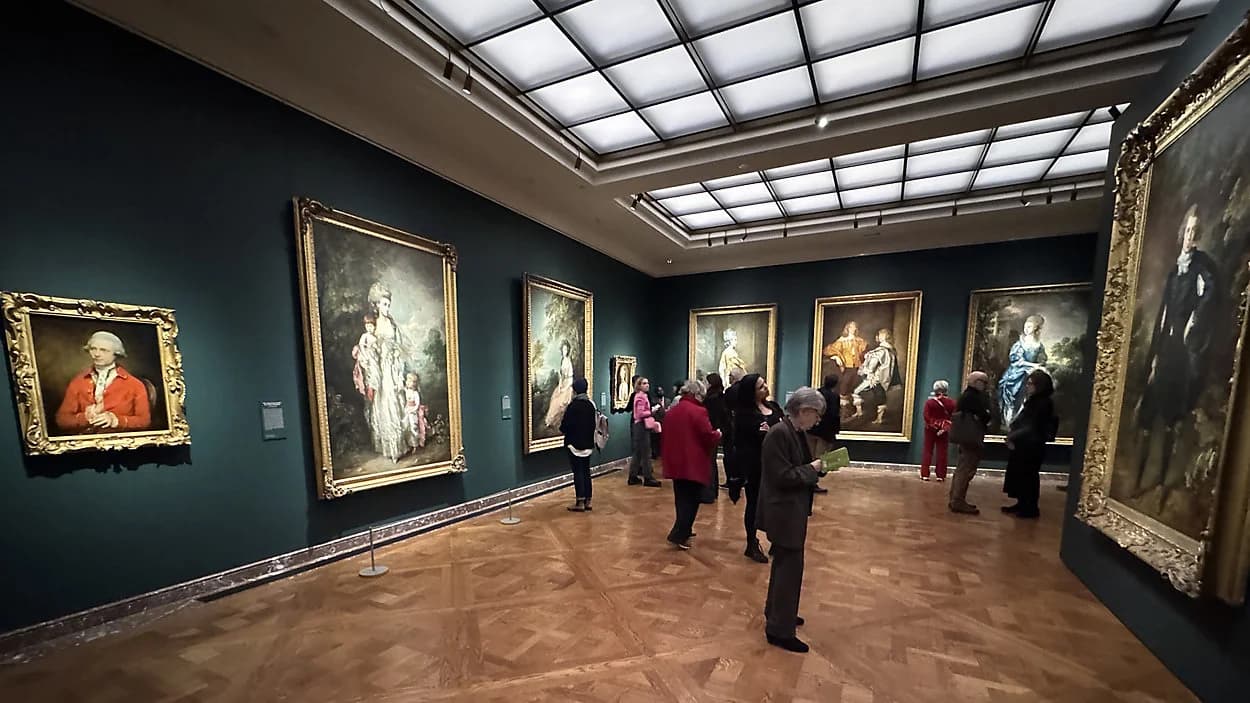
The Frick Collection in New York is set to debut the first major exhibition focused on Thomas Gainsborough’s portraiture in the city, bringing together works from North America and the United Kingdom to illuminate how fashion and portraiture intertwined in the eighteenth century. The show, titled Gainsborough: The Fashion of Portraiture, officially opens on February 12, 2026, at The Frick Collection on the Upper East Side and runs through a late spring close that has been updated to extend into May. For Manhattan Monday readers, this event marks a notable convergence of art history, fashion studies, and market activity in a single, data-driven exhibition—an indicator of sustained public interest in classical portraits that also resonates with contemporary discussions of aesthetics and consumption. The opening date, the scope of loans, and the museum’s strategic timing with broader cultural events all point to a high-impact moment for visitors, scholars, and the art market alike. The Gainsborough exhibition Frick 2026 is positioned as a landmark in the Frick’s post-renovation era, underscoring how a single artist’s portraiture can anchor multiple facets of a museum’s programming and audience engagement. (frick.org)
What Happened
Announcement Details The Frick Collection announced Gainsborough: The Fashion of Portraiture as its first dedicated, New York–based survey of Gainsborough’s portraiture. The press materials emphasize that the project is the museum’s first special exhibition devoted to the English artist, and that the show examines how fashion, textiles, and the act of looking informed Gainsborough’s portraiture across his four-decade career. The exhibition team is led by Aimee Ng, the Frick’s Peter Jay Sharp Chief Curator, and the show features more than two dozen paintings drawn from a broad network of lenders. The official press release confirms the opening date of February 12, 2026, and notes that the exhibition has been extended beyond an initially announced end date to May 25, 2026. This extension reflects strong public and critical interest in the project. The Frick’s curatorial leadership and scholarly apparatus frame Gainsborough: The Fashion of Portraiture as a comprehensive look at how attire, material culture, and painting techniques intersect in Gainsborough’s work. (frick.org)
Timeline and Milestones
- January 15, 2026: The Frick announces Gainsborough: The Fashion of Portraiture as a lead exhibition for the year, with plans to showcase works from across North America and the United Kingdom. The project is positioned as a milestone in the Frick’s post-renovation programming. (frick.org)
- February 12, 2026: Public opening of Gainsborough: The Fashion of Portraiture at The Frick Collection, marking the first major Gainsborough portraiture-focused exhibition in New York. The show aligns with a broader cultural moment around eighteenth-century fashion and portraiture. (frick.org)
- February 11, 2026: A promised gift from a Frick Trustee—Thomas Gainsborough’s Mrs. Alexander Champion (1767 and ca. 1775)—is placed into the museum’s permanent collection galleries, with the painting displayed separately from the exhibition in the Library Gallery until the main show’s programmatic run completes. This gift underscores the Frick’s ongoing strategy to grow its Gainsborough holdings in tandem with the exhibition. (frick.org)
- May 25, 2026: End date for Gainsborough: The Fashion of Portraiture as extended by museum leadership, with the Frick continuing to present related programs and potentially book-related publications tied to the show. The official extension announcement underscores the exhibition’s success and demand. (frick.org)
Key Facts The Frick describes Gainsborough: The Fashion of Portraiture as a show that brings together over two dozen paintings—signaling a substantial, broadly representative sample of Gainsborough’s portraiture across his career. The loan pool includes works from 17 lenders across North America and the United Kingdom, indicating a wide collaborative effort among major public and private collections. In addition to the loaned works, the Frick’s own collection contributes a selection of paintings that help anchor the gallery narrative, including items on public display for the first time in the context of a curated Gainsborough portraiture survey. The accompanying publication program includes a richly illustrated exhibition catalogue and a Diptych volume exploring one Gainsborough portrait in dialogue with a contemporary contributor, expanding the scholarly footprint of the project. (frick.org)
What’s Next: Context, Access, and Audience Engagement The Frick has positioned Gainsborough: The Fashion of Portraiture not merely as a sequence of paintings but as a lens into eighteenth-century fashion, social life, and the economics of portrait commissions. The curatorial approach integrates technical investigations—conducted in collaboration with conservators from major institutions such as the Metropolitan Museum of Art, the J. Paul Getty Museum, and the Yale Center for British Art—to shed light on Gainsborough’s materials and techniques. This scientific layer is intended to deepen public understanding of how fabric, dyes, gloss, and texture are translated onto canvas, mirroring the era’s fashion press and retail infrastructures. The inclusion of catalog entries and essays that address portraiture, self-fashioning, and the social life of dress reinforces the exhibition’s cross-disciplinary value, appealing to fashion historians, art lovers, and market watchers alike. (frick.org)
Why It Matters
Cultural Significance Gainsborough: The Fashion of Portraiture stands as a landmark for New York audiences because it marks the first exhibition in the city devoted exclusively to Gainsborough’s portraiture. This distinction matters from an art-historical perspective because Gainsborough’s portraits sit at the intersection of painterly innovation and social culture, illustrating how fashion and status were negotiated through image in eighteenth-century Britain. The Frick’s curatorial team frames the show as a critical junction—an opportunity to reevaluate Gainsborough’s oeuvre through the lens of clothing, textiles, and social performance rather than through biography alone. The show’s emphasis on portraiture as a site of cultural memory resonates with contemporary discussions about representation and the politics of appearance, making the exhibition relevant to both scholars and general visitors. The fact that the exhibition is complemented by new scholarly publications further heightens its long-tail impact on academic conversations around portraiture and fashion history. (frick.org)
Market and Tourism Impact The Gainsborough exhibition is strategically timed to coincide with fashion and culture calendars, including the broader urban context of New York City’s art and museum-going season. The Frick’s decision to host the exhibition in early 2026—followed by an extended run into late May—positions the museum to attract a steady stream of visitors, including university groups, international travelers, and local residents seeking access to a high-level, temporally limited cultural event. Industry observers, fashion historians, and art-market participants are watching not only for the scholarly contributions but for the potential ripple effects on attendance figures, gift shop sales, and membership renewals tied to a high-profile, image-heavy exhibition. The event’s cross-pollination with fashion media outlets and cultural press—evidenced by mainstream coverage and fashion press interest—also signals a broader engagement with audiences beyond traditional museum-goers. For example, fashion media outlets have highlighted the show’s connections to eighteenth-century dress, color palettes, and silhouettes, emphasizing the dialogue between historical portraiture and contemporary style. (vogue.com)
Institutional Context and Renovation Aftermath The Frick Collection’s 2025 reopening following a major renovation sets an important backdrop for Gainsborough: The Fashion of Portraiture. The renovation and expansion, which included a reimagined second floor and new gallery spaces, provides a more expansive setting for a show of this scale and complexity. The museum’s renewed emphasis on accessibility, public programming, and scholarly outreach aligns with a broad sector trend toward more transparent, research-driven museum experiences. The Washington Post’s coverage of the reopening underscores how the redesigned spaces support more immersive, intimate encounters with masterworks while maintaining the Frick’s signature domestic-scale environment—an ideal setting for exploring the interplay of fashion and portraiture in Gainsborough’s practice. This context is crucial for readers who follow how institutions leverage architectural renovations to expand programming and audience reach. (washingtonpost.com)
What It Suggests for the Market From a market-analytical angle, Gainsborough: The Fashion of Portraiture demonstrates how a major museum-led project can anchor interest in a master artist while driving ancillary revenue streams—special publications, programmatic events, and targeted member benefits. The show’s loan network, with paintings drawn from seventeen lenders and including pieces from North American and UK collections, highlights a robust, cross-border collaboration that can influence loan markets and conservation collaborations in the near term. Moreover, the Frick’s decision to integrate a permanent-collection gift from a Trustee—a Gainsborough portrait to be displayed during the exhibition—reflects a broader trend in which private collectors and institutional supporters align with high-profile shows to amplify the impact of their holdings. The resulting visibility and citable scholarly work can contribute to a favorable pricing and provenance narrative around Gainsborough’s portraits within the art market. (frick.org)
What’s Next for the Public and the Field
Next Steps and Programmatic Plans The Frick’s programmatic slate around Gainsborough: The Fashion of Portraiture includes a catalogue with contributions from Aimee Ng and other scholars, supported by peer institutions and publishers. The Diptych volume—part of the exhibition’s broader publication strategy—pairs a single Gainsborough painting with accompanying essays by curators and a contemporary creator, offering a cross-disciplinary reading of a single work that resonates with current debates in conservation, reception, and material culture. These publications are designed to travel beyond the museum walls, serving as reference points for researchers, students, and collectors who follow Gainsborough’s reception in the twenty-first century. The Frick has signaled that the catalogue and Diptych will be available through the museum shop and participating retailers, with pricing and availability announced in conjunction with the show’s opening. (frick.org)
Public Programs, Conferences, and Education Given the historical and fashion-forward framing of Gainsborough: The Fashion of Portraiture, expect an array of public programs—gallery talks, conservation demonstrations, fashion-history symposia, and cross-disciplinary lectures that connect eighteenth-century dress to modern visual culture. The press materials emphasize that these programs are designed to engage diverse audiences, including students of art history, fashion studies, and design, as well as general visitors seeking deeper understanding of portraiture’s social functions. The integration of public programming with a renovated Frick campus suggests a more accessible, research-informed visitor experience, with targeted marketing and partnerships that leverage the museum’s expanded galleries and new public spaces. (frick.org)
What to Watch For Key indicators to monitor as the Gainsborough exhibition extends through spring 2026 include:
- Attendance and member engagement statistics, particularly among first-time Frick visitors and out-of-town travelers. The extended run to late May may correlate with higher weekend attendance and targeted programming around Fashion Week timing and related cultural events in New York. While the Frick has not publicly disclosed exact attendance figures for the run at this stage, industry outlets and local media coverage point to strong interest in the show’s interdisciplinary framing. (frick.org)
- Loan activity and conservation notes, including updates on any loans returning to lenders and the status of conservation work tied to the exhibited paintings. The collaboration among major institutions for technical studies is often a leading indicator of the show’s scholarly impact and potential long-tail research outputs. (frick.org)
- Publication release dates for the exhibition catalogue and the Diptych, including availability in the museum shop and potential distributor channels. The Frick’s publication plan is a signal of the project’s lasting scholarly footprint beyond the run of the show. (frick.org)
- Ancillary events and partnerships with fashion and design communities, given the show’s explicit emphasis on fashion in portraiture. The Vogue coverage and other fashion media engagement suggest a broader cultural dialogue that could extend the exhibition’s reach into fashion press, design schools, and cultural economy conversations. (vogue.com)
Closing
From a newsroom perspective, the Gainsborough exhibition at the Frick—framed by the Gainsborough: The Fashion of Portraiture program and reinforced by a strategic gift to the permanent collection—signals a milestone for both the Frick and the broader art market. The show’s opening date, February 12, 2026, the extended run through May 25, 2026, and the loan network spanning 17 lenders across two continents collectively place Gainsborough’s portraiture in a contemporary context that invites viewers to examine how fashion, power, and image intersect. For readers seeking to understand how a single artist’s portraiture can illuminate a historical fashion ecosystem while driving audience engagement and market activity, this exhibition provides a data-rich case study. The Frick’s approach—combining scholarly rigor with public programming and a newly renovated campus—offers a blueprint for how major museums can coordinate acquisitions, loans, and publications in service of a cohesive cultural narrative. As the show unfolds, readers should watch for attendance trends, publication outputs, and the evolving dialogue between eighteenth-century portraiture and modern visual culture. The Gainsborough exhibition Frick 2026 is not only an art event; it’s a lens on how institutions curate, present, and interpret historical fashion in a twenty-first-century urban capital.
Stay tuned for updates from The Frick Collection and affiliated outlets as February 12, 2026 approaches, including press briefings, program announcements, and anticipated reviews from major art press outlets and fashion media, which will help paint a fuller picture of Gainsborough’s enduring influence on portraiture and style. For ongoing coverage and quick-reference timelines, follow The Frick’s official channels and reputable cultural-news outlets that are tracking the exhibition’s development and its wider cultural resonance. (frick.org)