East Harlem neighborhood development 2026: Transit and Tech

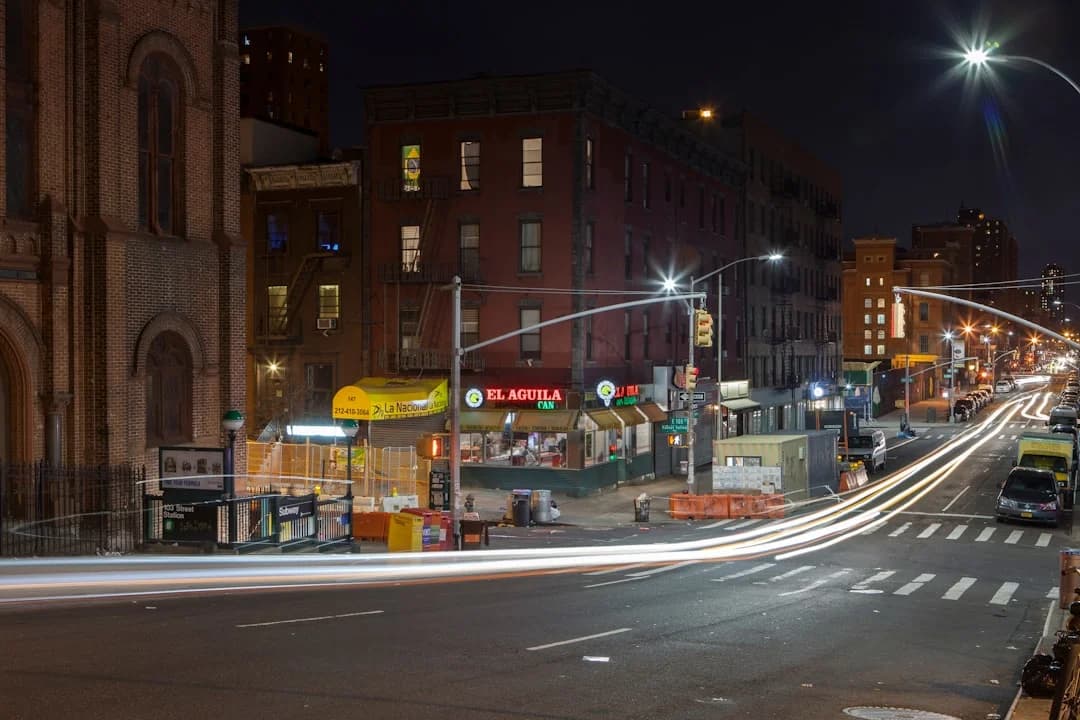
East Harlem neighborhood development 2026 is shaping up as a pivotal year for housing, transit, and the public realm in Manhattan. In a move that signals a broader shift toward permanently affordable housing and connected infrastructure, Timbale Terrace broke ground on February 19, 2026, on a former NYPD parking lot at 101 East 118th Street. City officials describe Timbale Terrace as a 100 percent affordable, mixed-use development that will deliver hundreds of homes and a new cultural hub, reflecting the city’s ongoing use of public land to create lasting community benefits. The project is led by a consortium including Mega Development, the Lantern Organization, Urban Architectural Initiatives, and the New York City Department of Housing Preservation and Development (HPD). The development is expected to include 341 affordable homes, with 97 units designated for formerly homeless residents and wraparound services to support health, education, and employment. City officials also highlighted a 20,000-square-foot cultural component associated with Casa Belongó, underscoring East Harlem’s intent to blend housing with arts and services. The groundbreaking marks a milestone in the East Harlem Neighborhood Plan’s long-running trajectory toward expanding deeply affordable housing on public sites. (nyc.gov)
Beyond housing, the street-level transformation of East Harlem in 2026 includes a major waterfront and transit-focused initiative. In October 2025, officials broke ground on the Harlem River Greenway, a $353 million project delivering seven acres of new waterfront parkland between East 125th and 132nd Streets. The plan is a cornerstone of the Manhattan Waterfront Greenway network, designed to connect East Harlem residents to a continuous waterfront corridor for biking, jogging, and walking. The project is being developed by a collaboration of the NYC Parks Department, NYC Economic Development Corporation (EDC), and the NYC Department of Transportation (DOT), with funding from city and state sources. The greenway is also conceived as climate-resilient infrastructure, including shoreline elevation adjustments and extensive plantings to manage stormwater and heat. The Harlem River Greenway is expected to catalyze additional improvements along the riverfront and encourage new recreational and community activities in the neighborhood. The first phase is already underway, with ongoing construction and future phases planned to extend north toward 145th Street. (newyorkyimby.com)
In a parallel governance development, the city moved to formalize neighborhood economic coordination with the creation of the East Harlem 125th Street Business Improvement District (BID). Signed into law on June 22, 2025, this new BID is designed to organize and advocate for local businesses, coordinate sanitation and beautification, and host community events while coordinating with city agencies. The BID area already encompasses more than 85 commercial tenants, and the city has accompanied this formation with grants and investments to accelerate corridor revitalization. As part of the sponsorship and support framework, the SBS (Small Business Services) administration reported substantial investments in BIDs in recent years, including more than $207 million invested in FY 2024 alone, with tens of thousands of storefronts impacted across New York City. The East Harlem BID aims to harness this support to lift storefront vitality, improve wayfinding, and anchor entrepreneurs as the district evolves. (nyc.gov)
The week-to-week narrative of East Harlem’s development also relies on a broader planning framework that has guided investments since 2017. The East Harlem rezoning and related land-use plans envision a suite of enhancements to open spaces, green infrastructure, and transportation. The rezoning plan outlines commitments such as building a waterfront park between 125th and 132nd Streets, repairing segments of the East River Esplanade, improving safety for pedestrians, and planning for a new SBS bus station on 125th Street and Lexington Avenue. The framework supports a more integrated East Harlem that balances housing, mobility, and public realm improvements, aligning with the city’s broader priorities for equitable development and climate resilience. This rezoning is still active in the ongoing implementation phase, with city agencies continuing to translate those commitments into projects on the ground. (council.nyc.gov)
In addition to Timbale Terrace and the greenway, a pipeline of other East Harlem developments continued to move forward in 2026. Projects such as 77 East 125th Street (a 13-story residential building) and 11 East 115th Street (an 11-story mixed-use project) have carried permits or predevelopment activity in recent months, signaling a steady cadence of new housing and ground-floor amenities across the neighborhood. NYYIMBY’s ongoing East Harlem coverage, which tracks permit filings, groundbreakings, and housing lotteries, highlights a neighborhood in transition with a mix of affordable and market-rate components and a clear emphasis on complementing residential growth with community facilities and services. The NY1 and Urbanize outlets have similarly reported on Timbale Terrace and related developments, reinforcing the sense that East Harlem’s 2026 moment is part of a longer arc of transformation. (newyorkyimby.com)
What Happened
Timbale Terrace Groundbreaking: A Deeply Affordable, Mixed-Use Milestone
-
On February 19, 2026, a formal groundbreaking ceremony marked the start of Timbale Terrace, a 341-unit affordable housing development in East Harlem. Mayor Zohran Mamdani and city officials joined development partners in confirming that the project will deliver 341 affordable homes, including 97 units reserved for formerly homeless New Yorkers under the NYC 15/15 program, with 30 units designated for transition-aged youth aging out of foster care. The development is designed to include wraparound services for health, education, and employment, provided by Lantern Organization, reflecting a holistic approach to housing that integrates social supports directly on site. The project site is at 101 East 118th Street, on the former NYPD parking lot, and will include a cultural component to anchor the community’s arts ecosystem. While press materials emphasize the deeply affordable nature and on-site services, developers and city officials have also highlighted a 2028 completion target, with overall project cost reported in the ballpark of roughly $225 million, depending on the source. This is one of the city’s most visible examples of leveraging publicly owned land for affordable housing and social service integration in East Harlem. (nyc.gov)
-
The Timbale Terrace project team includes Mega Development, the Lantern Organization, Urban Architectural Initiatives (UAI), and HPD, with Casa Belongó serving as a cultural anchor for the ground-floor arts center. The mix of 341 units spans a range of affordability tiers designed to address a historically tight housing market in East Harlem, including a substantial allocation for formerly homeless residents. Community leaders highlighted the project as a reaffirmation of East Harlem’s long-standing plans to convert underused or publicly owned land into housing, services, and cultural programming that benefit residents across income levels. Because height and exact architectural details varied in early reporting, city officials and press materials have consistently described Timbale Terrace as a multi-story, all-affordable development rather than committing to a single fixed height at this stage. The ground breaking marks a concrete, on-the-ground step in the timeline that began with the East Harlem Neighborhood Plan in 2017 and culminates in 2020s- and 2030s-era expectations for a denser, more inclusive East Harlem. (nyc.gov)
Harlem River Greenway: A Seven-Acre Waterfront Transformation
- Groundbreaking for the Harlem River Greenway occurred in October 2025, launching a $353 million package to reconnect East Harlem to the Harlem River waterfront and complete a missing link in Manhattan’s Waterfront Greenway. The project will deliver seven acres of new parkland and a continuous greenway corridor running along the Harlem River between 125th and 132nd Streets, with design work led by the NYC Parks Department, NYCEDC, and DOT. The effort is funded by a combination of city capital and state support, including a $310 million city investment and a $43 million state grant, underscoring a high-priority commitment to green infrastructure and climate resilience in East Harlem. Officials have described the project as more than a park expansion; it’s a critical element in improving urban form, mobility, and environmental quality of life for residents who have long sought waterfront access and enhanced public space. The first phase is underway with subsequent phases planned to extend connectivity northward toward 145th Street and beyond. A key on-ground impact is the introduction of new restrooms, shade trees, and public art, all aimed at creating a welcoming, inclusive waterfront experience for residents and visitors alike. The project is positioned as a blueprint for resilient urban design in a neighborhood that faces flood risk and heat challenges. (newyorkyimby.com)
East Harlem 125th Street BID: A Formal City-Backed Economic Engine
-
June 22, 2025 marked the signing of legislation to create the East Harlem 125th Street BID, a landmark step in organizing and professionalizing the neighborhood’s business district. The BID is intended to coordinate sanitation, safety, and beautification, while serving as a platform for coordinated marketing and community events. The steering committee behind the BID has included Uptown Grand Central and other community stakeholders, reflecting a decade-long effort to formalize district management that supports both merchants and residents. The creation of the BID brings East Harlem into the city’s broader BID ecosystem, providing a governance framework for storefront improvements and economic development. The city highlighted a broader investment package, including more than $4.4 million in new grants to BIDs, CBDOs, and nonprofits across five boroughs, along with $44 million in total neighborhood revitalization funding since 2022. East Harlem’s BID is expected to coordinate with agencies on projects like wayfinding, storefront improvements, and community programming to sustain momentum as new housing and waterfront developments come online. (nyc.gov)
-
The BID’s formation sits within a broader, ongoing investment initiative for Harlem and East Harlem. The city’s Small Business Services data show substantial activity across BIDs citywide, reinforcing a strategy that couples private investment with public investment to stabilize corridors, support local entrepreneurship, and improve the built environment. The East Harlem BID’s inception aligns with the neighborhood’s 2017 rezoning framework, which laid out a long-term path for waterfront improvements, parkland development, and improved transit access as a means to catalyze private investment and stable, long-term affordability. As the BID begins operations, expectations include improved sanitation, more effective street-level retail management, and a more cohesive sense of place that connects 125th Street to surrounding transit hubs. (nyc.gov)
-
New housing and NYCHA improvements also play into the neighborhood’s broader transformation. In late 2025, NYCHA announced financing for PACT (Permanent Affordability Commitment Together) renovations across several East Harlem developments, including Metro North Plaza and Gaylord White Houses, aiming to modernize hundreds of units and anchor them within a broader investment framework. These renovations are designed to preserve affordable housing stock while complementing new construction, ensuring that existing residents share in the neighborhood’s growth. The coordination of public housing investments with new private development and transit improvements reflects a deliberate, data-driven approach to neighborhood uplift rather than a purely market-driven trajectory. (newyorkyimby.com)
-
In the same vein, the neighborhood is seeing a mix of permit filings and groundbreakings that signal continued momentum. Projects such as 11 East 115th Street and 77 East 125th Street illustrate a pipeline of new mixed-use and residential buildings designed to bring more housing supply and street-level amenities into the East Harlem core, reinforcing the sense of a district in durable transition. Coverage from NYYIMBY in early 2026 confirms permit filings and development activity along major corridors—an indicator that East Harlem’s development timeline remains active and ongoing beyond Timbale Terrace and the Harlem River Greenway. (newyorkyimby.com)
Why It Matters
Housing Affordability and Economic Opportunity
-
Timbale Terrace’s 341 affordable homes, including 97 units for formerly homeless residents, epitomize the city’s emphasis on deep affordability within the context of a growing Manhattan neighborhood. The presence of 30 units for transition-age youth and on-site wraparound services signals an intent to address structural inequities by integrating housing with health, education, and employment supports directly on site. The project’s on-public-land genesis, part of the 2017 East Harlem Neighborhood Plan, demonstrates how rezoning and land-use policy can translate into visible, near-term housing outcomes for the East Harlem community. The scale of Timbale Terrace—coupled with the Casa Belongó cultural center—also highlights a broader strategy to embed arts, culture, and community services within housing developments, reinforcing a multi-asset approach to neighborhood vitality. (nyc.gov)
-
The East Harlem 125th Street BID adds a formal mechanism to sustain commercial vitality, attract investment, and coordinate economic activity. By organizing merchants, property owners, and community organizations under a single umbrella, the BID increases the neighborhood’s ability to manage storefront quality, sanitation, and safety, while also leveraging grants and city programs to improve the public realm. The BID complements the housing and waterfront investments by ensuring that as new units come online and new parkland opens, there is a robust local market and an upgraded business environment ready to serve residents and visitors. City data on BID investments and the scale of recent grants underpin a broader argument, supported by the city’s ongoing emphasis on district-level economic development as a vehicle for inclusive growth. (nyc.gov)
-
NYCHA renovations in East Harlem are a critical counterweight to new construction, ensuring that the neighborhood’s public housing stock remains safe, modern, and financially sustainable. The PACT-funded expansions illustrate a deliberate approach to maintaining existing affordable housing while new development unfolds nearby, reducing displacement risk and preserving community continuity. When combined with new market-rate and affordable housing projects, it helps preserve a mixed-income dynamic that is often a hallmark of resilient urban neighborhoods. The combination of public housing improvements with private development and transit upgrades reflects a holistic planning strategy designed to stabilize the neighborhood’s affordability ladder while expanding access to opportunity. (newyorkyimby.com)
Transit, Mobility, and Public Realm Improvements
-
The 125th Street bus station commitment in the East Harlem rezoning framework is a salient example of upgrading transit access in parallel with housing and economic investments. The rezoning plan lays out a future-oriented transportation improvement that would complement the Harlem River Greenway and other mobility projects by expanding bus service access to dense commercial corridors. In tandem with the greenway, the new transit infrastructure would improve residents’ access to jobs across Manhattan and the outer boroughs, support short commutes, and reduce auto dependence in a neighborhood historically challenged by traffic and connectivity constraints. The rezoning document’s transit commitments—such as the SBS bus station on 125th Street and Lexington Avenue—provide a concrete signal of anticipated mobility upgrades that will affect daily life in East Harlem. (council.nyc.gov)
-
The Harlem River Greenway project highlights a strategic shift toward climate-resilient, people-centered public space. Seven acres of waterfront parkland and a continuous greenway will not only deliver recreational space but also strengthen flood protection and urban heat resilience. The project’s design is anchored in modern urban design principles that emphasize multi-use pathways, shade, shade structures, restrooms, and public art, creating a more inviting waterfront that can host community events while encouraging healthier, more active living. The integration of green infrastructure and climate adaptation measures aligns with city and state goals to reduce flood risk and heat exposure in lower-income neighborhoods, where residents often bear the brunt of climate-related stressors. (newyorkyimby.com)
-
The Timbale Terrace and Harlem River Greenway developments also illustrate a broader urban-development priority: aligning housing supply with enhanced mobility and a stronger public realm to create a more livable East Harlem. The 2017 East Harlem Neighborhood Plan’s emphasis on open space, green infrastructure, and improved pedestrian safety finds tangible expression in 2026 through these projects. The combination of new housing, a new cultural hub, waterfront access, and better transit connections forms a synergistic package that can attract skilled workers and sustain long-term neighborhood stability, while also supporting local businesses through improved foot traffic and public realm investment. (council.nyc.gov)
What’s Next
Near-Term Milestones and Long-Run Impacts
-
Timbale Terrace’s completion timeline remains a pivotal unknown for 2028 or later, depending on permitting, funding continuity, and construction logistics. City press materials and external reporting indicate a multi-year construction period with a targeted opening around 2028. As the project proceeds, residents and stakeholders will be watching for on-site services scale, the pace of ground-floor activation, and the rhythm of affordable-housing allocations, particularly the 97 units reserved for formerly homeless residents. The development’s cultural component, Casa Belongó, is expected to anchor programming and community partnerships, potentially catalyzing arts-based economic activity in East Harlem. Observers will be watching how the on-site supportive services operate in practice, and how the project integrates with the surrounding transit and open-space network. (nyc.gov)
-
The Harlem River Greenway project is staged in phases as part of a longer-term plan to close the waterfront gap in Manhattan’s greenway network. The first phase focuses on the East Harlem segment and the immediate waterfront improvements, with subsequent phases extending northward. While a precise full completion date has not been publicly finalized, officials have indicated a multi-year timeline, with the early 2026 restrooms and park amenities expected to be in service as the surrounding works progress. The greenway’s completion will reshape local mobility patterns, enabling safer, more comfortable non-motorized travel along a critical north-south axis and linking East Harlem more seamlessly to adjacent neighborhoods and parks. (timeout.com)
-
The East Harlem 125th Street BID is expected to become fully operational in the months and years ahead as the governance and funding infrastructure stabilizes. The BID’s early actions will likely focus on sanitation improvements, storefront maintenance, and storefront activation programs, building a backbone for retail and dining revitalization as new housing and park space come online. The city’s funding envelope and grant programs will continue to shape the BID’s capabilities, and the BID will operate within a broader ecosystem of neighborhood revitalization tools, including the 2017 rezoning commitments and ongoing NYCHA improvements. Observers will watch for performance metrics such as corridor cleanliness, business formation rates, vacancy reductions, and the timing of program rollouts. (nyc.gov)
-
The 2017 East Harlem Neighborhood Plan’s rezoning commitments remain a touchstone for what comes next. The plan’s long-term objectives—improved waterfront access, green infrastructure, safer pedestrian environments, and better transit integration—will guide subsequent projects and funding decisions. As new housing enters the market and the BID strengthens district management, the neighborhood’s public realm and mobility infrastructure will continue to evolve in ways that influence property values, market demand, and local equity outcomes. The ongoing implementation of the rezoning and associated capital programs will be a key watch point for residents, policymakers, and developers. (council.nyc.gov)
-
In addition to the highlighted projects, East Harlem’s development trajectory in 2026 continues to be reported by neighborhood-focused media that track groundbreakings, permits, and housing lotteries. The New York YIMBY feed and NY1 reporting provide ongoing updates on new residential towers, affordable housing opportunities, and related community infrastructure, allowing readers to gauge how the neighborhood’s growth is stacking up against expectations and how the built environment is absorbing population growth while maintaining affordability. This sustained coverage serves as an important barometer for the pace and character of East Harlem’s development, including the balance between new housing supply, public realm investments, and transit upgrades. (newyorkyimby.com)
-
The broader context for East Harlem’s development in 2026 includes the neighborhood’s role within Manhattan’s evolving urban economy. The district’s mix of affordable housing, cultural programming, and enhanced public space aligns with citywide policy goals around equitable growth, climate resilience, and transit-oriented development. As major projects begin to come online and new governance structures—like the East Harlem BID—mature, the neighborhood will serve as a test case for how to deliver inclusive growth in a way that remains responsive to existing residents while welcoming new residents and investment. The data-driven approach highlighted by city agencies and independent reporters emphasizes transparency around housing affordability, infrastructure investments, and the social services that support upward mobility for East Harlem families. (nyc.gov)
-
What to watch for next includes several concrete indicators: occupancy and affordability outcomes for Timbale Terrace, the pace and completion milestones of the Harlem River Greenway, timelines for the 125th Street SBS bus station in coordination with the rezoning commitments, and the positive or negative impacts of the BID on merchant vitality and public realm quality. Local residents and business owners will also be looking at NYCHA’s ongoing renovations and how those investments intersect with new construction nearby, to assess displacement risk and opportunity for community benefit. In short, the East Harlem neighborhood development 2026 narrative is still being written, with each milestone offering a data point about how a densely populated urban neighborhood can grow with equity and resilience. (council.nyc.gov)
Closing
As 2026 unfolds, East Harlem stands at a crossroads of housing affordability, mobility upgrades, and a strengthened public realm. Timbale Terrace signals a concrete commitment to deeply affordable housing on public land, while the Harlem River Greenway is redefining the neighborhood’s waterfront identity and climate resilience. The East Harlem 125th Street BID provides a governance mechanism to keep the neighborhood’s commercial arteries vital, and the rezoning framework continues to guide a coordinated approach to future growth. Taken together, these developments paint a data-informed, multi-stakeholder picture of East Harlem’s evolution in 2026—one that seeks to balance housing supply with supports for residents, improve accessibility and connectivity, and create a more vibrant, resilient urban neighborhood.
To stay updated on East Harlem neighborhood development 2026, monitor official releases from HPD, NYC Parks, NYCEDC, and the Mayor’s Office, as well as trusted local reporters who track permit filings, groundbreakings, and programmatic updates. Local outlets and neighborhood organizations—along with city dashboards—provide the most timely signals about when new housing units will open, when park spaces will be usable, and how the BID will influence everyday life on 125th Street and beyond. (nyc.gov)