East Harlem Culinary Renaissance 2026: New Concepts Rising

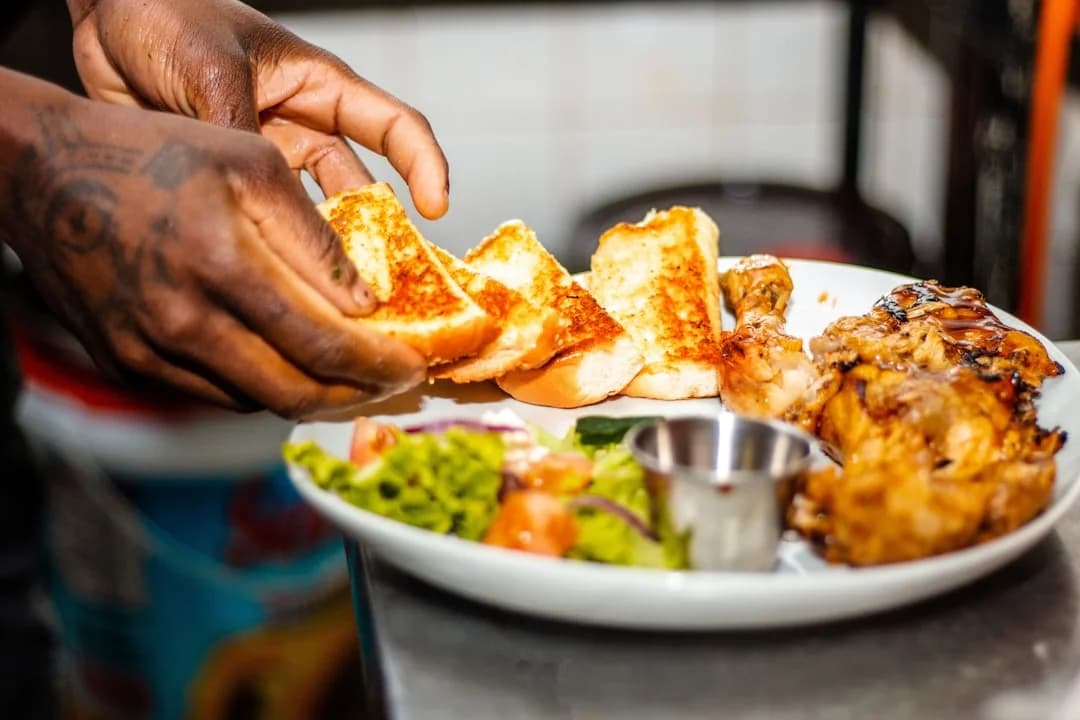
Photo by Proper Quality Shandis on Unsplash
The East Harlem culinary renaissance 2026 is unfolding as a data-driven chapter in New York City’s evolving dining economy. Across East Harlem, a neighborhood long celebrated for its cultural richness and brick-by-brick community building, a wave of new concepts, partnerships, and tech-enabled guest experiences is reshaping where, how, and why people eat there. From newly emerging all-day dining hubs to community-focused kitchens that blend charity with cuisine, the neighborhood is becoming a notable case study in urban food-system resilience. In 2026, observers are watching not only what menus say, but how technology, accessibility, and local partnerships are driving a more inclusive, scalable dining ecosystem. The latest signals point to a neighborhood renaissance that blends tradition with experimentation, anchored by a few high-profile openings and a continuing commitment to community‑driven hospitality. East Harlem culinary renaissance 2026 is not a single event but a sustained, multi-venue evolution deserving close attention from readers seeking market insight and technology-enabled service trends. (ny.eater.com)
This moment matters beyond menu descriptions. Industry data for 2025–2026 shows a sharp tilt toward large-format, hospitality-forward dining that leverages digital tools to manage throughput, pricing, and guest flow, while a growing share of diners are seeking high-value, quality-driven experiences in neighborhood settings. In practical terms, this means more East Harlem residents and visitors can access elevated dining closer to home, while operators test new formats—ranging from chef-driven, intimate tasting events to expansive, all-day concepts connected to transit-accessible corridors. The broader New York City context confirms that consumer spending on food away from home has pressures from costs but also a continued appetite for new concepts, especially in the late-day and nightlife segments. The city’s restaurant market in 2025–2026 shows a persistent push toward hospitality-led experiences, a trend that directly informs East Harlem’s evolving dining landscape. (mckinsey.com)
La Marqueta, the historic market under the Park Avenue Viaduct in East Harlem, has long served as a culinary anchor and community hub. Its ongoing role as a platform for local vendors and pop-ups continues to inform the neighborhood’s food identity even as stand-alone concepts rise. The market’s place in East Harlem culture remains a central driver of pedestrian footfall and micro-economies around food access, café culture, and small-batch offerings. This background helps explain why 2026’s culinary conversations are as much about access, inclusion, and local entrepreneurship as they are about cuisine. (en.wikipedia.org)
Section 1: What Happened
Contento’s Closing and its Aftermath
Contento, a notable East Harlem Peruvian restaurant known for accessibility-focused dining, closed its doors on December 21, 2024. The decision, attributed to rising operating costs and inflation, marked a meaningful shift in East Harlem’s dining scene, given Contento’s role in elevating the neighborhood’s dining narrative since its 2021 opening. The closure followed a period when Contento had been highlighted in national coverage for its inclusive mission and distinctive wine program. The news of Contento’s closing underscores broader cost pressures affecting mid-to-upscale dining in Manhattan’s outer neighborhoods, even as new concepts push the region forward. For context, Contento’s founders and leadership had a public backstory tied to accessibility and hospitality, which helped shape East Harlem’s dining culture during its years of operation. (ny.eater.com)
- Context and timeline: Contento opened in East Harlem in 2021, garnering attention for accessibility and its “restaurant for all” ethos. By December 2024, the doors closed on December 21, 2024. This arc provides a data point for evaluating how neighborhood dining ecosystems respond to cost structures even as new concepts emerge in adjacent blocks. (spectrumlocalnews.com)
- Impact on the neighborhood: The closure removed a high-profile accessibility-forward option from East Harlem and intensified attention on other new and expanding concepts in the corridor, including newer concept rotations in Harlem and East Harlem-adjacent neighborhoods. It also highlighted ongoing conversations about sustainability and labor costs in NYC’s midtown-to-upper-Manhattan dining economy. (ny.eater.com)
Harlem Chef’s Lab and Refettorio Harlem: A New Model for Community Dining
In February 2025, Refettorio Harlem launched a distinctive, community-centered dining initiative anchored in Massimo Bottura’s Food for Soul network. The program blends fine dining sensibilities with a mission to rescue food and feed the local community—an approach that redefines charity dining as a structured partnership with culinary excellence. The Harlem Chef’s Lab, announced as part of Refettorio Harlem’s slate of ongoing initiatives, began a monthly event series designed to bring together chefs, artists, and musicians for ticketed dinners benefiting community food programs and waste-reduction efforts. By leveraging the Refettorio model, East Harlem is testing a scalable format that marries gastronomic craft with social impact. (ny.eater.com)
-
Activation and schedule: Refettorio Harlem has historically hosted regular, invitation-based and community events, with the Harlem Chef’s Lab series starting in February 2025 and expanding into 2026. The Lab’s first wave of programming in 2025-2026 features collaborations with chefs from Italian and African-European culinary circles, illustrating how East Harlem is becoming a hub for cross-cultural culinary partnerships. An upcoming Chef’s Lab event in March 2026 showcases the ongoing, monthly dinner concept. (ny.eater.com)
-
Purpose and model: Refettorio Harlem operates as part of the Food for Soul network, a philanthropic model that channels fine-dining energy into community nourishment and food rescue. The model emphasizes “dignity in dining for all” and uses sponsored dinners to support community kitchens and related social programs, resonating with East Harlem’s history of social dining and mutual aid initiatives. The ongoing collaboration signals a broader trend of using gastronomy as social infrastructure. (beautynewsnycofficial.com)
Renaissance Harlem and the Harlem-Adjacent Dining Surge
Renaissance Harlem anchors a growing segment of East Harlem’s culinary renaissance with chef-driven, high-design concepts that blend regional cuisines with global inspirations. The restaurant, co-led by Chef Cisse Elhadji and Chef Cheikh Ali, has become a flagship for ambitious, hospitality-first dining in the Harlem corridor. The concept sits alongside Ponty Bistro and Harlem Cafe as part of a cluster of venues that have contributed to Harlem’s elevated dining image in the 2020s and into 2026. A related development, PB Brasserie, opened in September 2024 just a short walk from the Apollo Theater, signaling a broad wave of all-day and late-night dining anchored by strong leadership in Harlem’s restaurant scene. PB Brasserie, led by Elhadji Cisse, expands the family of concepts that includes Ponty Bistro and Renaissance Harlem, illustrating a coordinated growth approach among neighborhood operators. (ny.eater.com)
-
PB Brasserie and Harlem openings: The September 2024 Harlem opening of PB Brasserie near the Apollo Theater expanded Harlem’s all-day dining footprint. The restaurant’s roll-out intersected with existing Ponty Bistro and Renaissance Harlem, reinforcing a sense that Harlem’s dining scene is consolidating around a few strong operator groups that are expanding concepts with broad appeal. The coverage highlighted the scale and design orientation typical of modern, hotel-adjacent or neighborhood-adjacent hospitality concepts, illustrating how technology and guest-experience design are increasingly central to success in Harlem’s urban dining economy. (ny.eater.com)
-
Renaissance Harlem’s positioning: Renaissance Harlem positions itself as a contemporary, flavor-forward destination in Harlem with a focus on Senegalese-influenced European techniques. The restaurant’s own site presents it as a core part of the Harlem dining ecosystem, while partner venues in the same family (Ponty Bistro, Harlem Cafe) help create a cluster effect that increases foot traffic and cross-visitation. This cluster approach aligns with broader NYC restaurant trends toward shared hospitality ecosystems, where a group of concepts anchored in one neighborhood reinforce each other’s draw. (renaissance-harlem.com)
-
The market-context backdrop: Eater NY and other outlets consistently highlight Harlem’s evolving dining landscape, with openings in 2024–2025 contributing to a longer arc of revival and reinvention across Upper Manhattan. The coverage demonstrates how East Harlem and Harlem proper have become testing grounds for new hospitality formulas—from all-day brasseries to high-design tasting concepts—within a city-wide context of rising costs and changing consumer behavior. (ny.eater.com)
La Marqueta and the Neighborhood’s Culinary Identity
La Marqueta remains a cultural and culinary anchor for East Harlem, providing a marketplace and community space that supports a diverse array of vendors and pop-ups. While new standalone restaurants garner headlines, the market’s enduring role as a catalyst for food entrepreneurship and neighborhood identity underscores how East Harlem’s culinary renaissance 2026 is as much about place-based ecosystems as individual concepts. The market’s historical significance and ongoing function as a venue for local and immigrant cuisines help explain why East Harlem continues to attract culinary experimentation while preserving a sense of place. (en.wikipedia.org)

-
Market-driven opportunities: The La Marqueta ecosystem offers a path for aspiring operators to test concepts with relatively lower entry costs compared to building a full-scale brick-and-mortar restaurant. This dynamic supports a broader pattern seen citywide: markets and incubator models help diversify the neighborhood’s culinary offerings while enabling operators to refine menus and operations before scaling to larger spaces. (en.wikipedia.org)
-
Real estate and neighborhood momentum: The East Harlem real estate and small-business environment has shown renewed activity in the 2020s, with new and renewed restaurant concepts coexisting with ongoing market infrastructure. This backdrop, combined with a growing interest in technology-enabled service models, suggests a 2026 environment where neighborhood dining benefits from both iconic spaces and new constructs. Local government and development reports point to ongoing enhancements in the district that support mixed-use growth and a more vibrant dining economy. (nyc.gov)
Section 2: Why It Matters
Economic and Employment Impacts
The East Harlem culinary renaissance 2026 carries tangible economic implications. The concentration of new concepts—ranging from high-design, late-night spaces to more accessible, community-oriented kitchens—helps diversify the local tax base, increases foot traffic, and expands employment options for residents. While Contento’s closure in 2024 illustrated how cost pressures can disrupt even acclaimed restaurants, the emerging constellation of Harlem-anchored concepts demonstrates a resilience strategy: leverage established market anchors (La Marqueta, Apollo-adjacent corridors) and build out multi-concept clusters that can share supply chains, marketing, and tech platforms. In a broader NYC context, the restaurant sector continues to navigate labor costs and rent pressures, but the 2025–2026 period shows a tilt toward experiences that justify higher price points and longer guest dwell times, aided by technology-enabled operations that improve efficiency and consistency. (mckinsey.com)
-
Market signals and tech adoption: The industry consensus for 2026 points to continued investment in technology to support guest throughput, online ordering, reservation platforms, and data-driven pricing. For East Harlem, this means more venues will rely on digital tools to balance demand, shorten wait times, and deliver consistent dining experiences even as real estate costs press margins. The McKinsey analysis, which highlights late-night dining growth and the pressures on delivery price points, provides a useful lens for understanding how Harlem operators balance competitive pricing with elevated experiences. (mckinsey.com)
-
Community impact and inclusivity: The Harlem market’s renaissance is also about expanding access to diverse cuisines and creating inclusive dining environments. Contento’s closure was a reminder of the fragility of cost-sensitive models, but the Refettorio Harlem initiative demonstrates a complementary path: using culinary excellence to uplift the community while promoting sustainability. This multi-pronged approach aligns with broader policy and nonprofit efforts in New York City aimed at sustaining small businesses and promoting inclusive, affordable dining options. (ny.eater.com)
Cultural and Social Dimensions
Beyond economics, East Harlem’s culinary renaissance 2026 reflects deep cultural currents. The neighborhood’s culinary identity—past and present—rests on a tapestry of immigrant influences, artisanal producers, and community-driven institutions like La Marqueta and Refettorio Harlem. The emergence of chef-driven concepts in Harlem (Renaissance Harlem, Ponty Bistro, Harlem Cafe, PB Brasserie) signals a sustained commitment to culinary storytelling that respects local heritage while inviting guests to experience new flavors and textures. These developments position East Harlem as a living laboratory for cultural exchange through food, where menus become narratives and restaurants serve as social spaces for dialogue and celebration. (ny.eater.com)
-
Celebrity-chef and hospitality leadership: The Harlem cluster’s growth is supported by a cadre of experienced operators who have built reputations for high-quality dining and hospitality. The PB Brasserie opening and its association with Ponty Bistro and Renaissance Harlem illustrate how leadership teams with regional influence are driving a more ambitious dining agenda in Harlem. Eater NY coverage of PB Brasserie emphasizes the neighborhood’s appetite for big, all-day formats and hospitality-driven experiences, fueling urban-cultural momentum in East Harlem. (ny.eater.com)
-
Community-based culinary programming: Refettorio Harlem’s ongoing initiatives and the Harlem Chef’s Lab represent a growing trend of using gastronomy to amplify community well-being and food equity. The Lab’s programming, which blends Italian culinary traditions with Italian cultural institutions and local food rescue efforts, demonstrates how the neighborhood can harness global culinary networks to benefit local residents. This approach is notable not only for the meals it creates but for the social infrastructure it helps build—educational opportunities, job training, and collaborative fundraising that extend beyond the dining room. (ny.eater.com)
Technology, Operations, and Consumer Behavior
The East Harlem renaissance is inseparable from technology-enabled service patterns and data-driven operations that are becoming standard in NYC’s dining ecosystem. The February 2026 NYC restaurant openings roundup from Manhattan Monday—although not East Harlem-specific—highlights several trends that echo in Harlem: large-format spaces designed for dayparts, hotel-driven hospitality experiences, and chef-driven formats that lean into detailed service choreography and digital guest journeys. The article emphasizes how technology—ranging from reservations to queue management and online ordering—plays a central role in delivering scalable hospitality experiences. East Harlem venues can be expected to mirror these patterns as they grow. (manhattanmonday.com)
-
Late-night and all-day formats: National industry data from McKinsey shows late-night dining as a standout growth segment within the broader restaurant market, underscoring why Harlem operators are pursuing formats that extend hours and broaden daily revenue opportunities. The East Harlem cluster’s evolution toward late-day dining aligns with this macro trend and supports a broader narrative of a diversified, 7-day-operations approach. (mckinsey.com)
-
Digital guest journeys and pricing signals: NYC’s restaurant market in 2025–2026 reflects continued experimentation with digital ordering, dynamic pricing signals, and more transparent menus. East Harlem operators are likely to adopt these tools to optimize throughput, curb labor bottlenecks, and manage cost-to-guest value—an essential balance in a market where cost pressures persist but consumer demand for quality and accessibility remains strong. (restroworks.com)
Section 3: What’s Next
Next Steps and Key Milestones to Watch
The East Harlem culinary renaissance 2026 is poised to continue unfolding through coordinated openings, community programming, and technology-enabled hospitality. Several concrete signals and scheduled events in 2026 help outline what to watch for:
-
Ongoing Harlem Chef’s Lab programming: The Refettorio Harlem calendar shows continued Chef’s Lab events in 2026, including collaborations with Italian culinary institutions and local partners. These events are expected to drive guest interest, attract media attention, and catalyze further partnerships that blend culture, cuisine, and philanthropy. The March 23, 2026 Chef’s Lab event is one example of the ongoing series. (refettorioharlem.org)
-
New openings in Harlem’s restaurant clusters: Eater NY’s reporting on Harlem openings in 2024 and 2025—such as PB Brasserie—signals a continued interest from operators to open large-format, hospitality-forward venues in Harlem. Expect additional openings in 2026 that build on this momentum, potentially including expansions or reconfigurations within the Renaissance Harlem family and related concepts in the Apollo-adjacent corridor. This is consistent with NYC-wide openings patterns in late 2024 through 2025. (ny.eater.com)
-
Market and policy developments: East Harlem’s growth depends not only on restaurant concepts but also on neighborhood-scale institutions, civic infrastructure, and policy support. City plans, development district initiatives, and the East Harlem business improvement environment can influence the pace and nature of new openings. Local government and development documents emphasize ongoing efforts to support neighborhood vitality, which would shape 2026 outcomes. (nyc.gov)
-
Market signals from broader NYC dining trends: As NYC’s restaurant market continues to navigate labor costs, rent, and inflation, East Harlem’s operators will likely adopt a pragmatic approach—testing concepts that can scale with technology, while preserving neighborhood accessibility and authenticity. McKinsey’s 2026 outlook emphasizes the importance of balancing investment in experiences with cost discipline, a dynamic that Harlem operators will have to manage going forward. (mckinsey.com)
What to watch for in the near term includes potential follow-on collaborations between Refettorio Harlem and Harlem’s diverse culinary leadership, further expansions by Ponty Bistro–Renaissance Harlem–Harlem Cafe group, and additional all-day concepts anchored in East Harlem’s market dynamics. The neighborhood’s ongoing identity as a culinary hub depends on a delicate balance—preserving cultural roots while embracing innovation, inclusivity, and technology-enabled service that can scale to meet demand.
Closing
The East Harlem culinary renaissance 2026 is more than a string of openings; it’s a market test case for how urban food ecosystems can blend mission-driven hospitality, culinary excellence, and technology-enabled operations in a high-cost environment. The closure of Contento in 2024 underscored the fragility of some models, but the emergence of Refettorio Harlem’s Harlem Chef’s Lab, along with high-profile concepts like Renaissance Harlem and PB Brasserie, demonstrates a resilience and appetite for experimentation. As Harlem continues to attract both national attention and local energy, East Harlem’s dining scene is likely to become a bellwether for how data-driven diners and community-minded operators can co-create a vibrant, sustainable culinary future.
Readers who want more updates on East Harlem culinary renaissance 2026 should monitor local food media, restaurant openings coverage, and community programming calendars (including Refettorio Harlem events) for announcements, menus, and scheduling. Manhattan Monday will continue to analyze these developments through a technology and market-trends lens, providing timely, data-backed context for readers who want to understand not just what’s cooking, but why it matters for the city’s evolving dining economy. (refettorioharlem.org)