Civic-tech Dashboards and Public Plazas NYC 2026
Civic-tech dashboards and public plazas NYC 2026 analyzed with data-driven insights on urban design, mobility, and public space.
 By
By 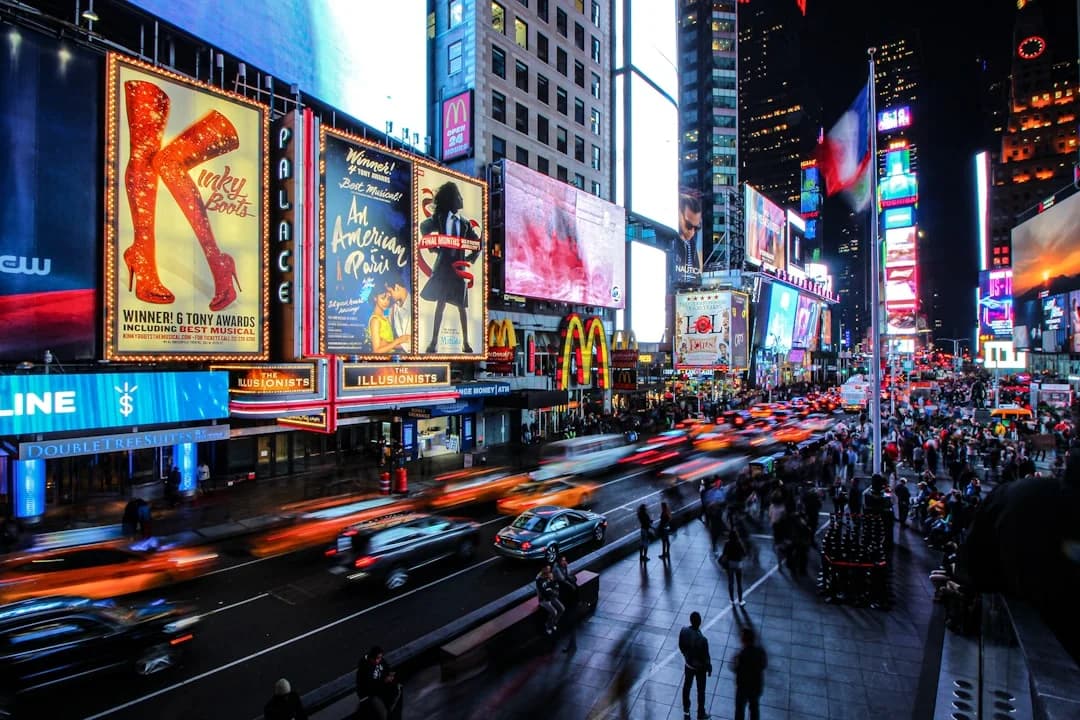
New York City is entering a data-driven era for urban design in 2026, with civic-tech dashboards and public plazas NYC 2026 at the center of a broader effort to merge open data with tangible public space improvements. City agencies are increasingly relying on real-time dashboards to monitor plaza usage, pedestrian safety, and open-street programming, while planners and community groups push for more transparent decision-making around where and how public space is deployed. The convergence of dashboards, open data platforms, and targeted plaza projects signals a shift toward governance that is more visible, more accountable, and more responsive to residents' daily needs. This trend is unfolding against a backdrop of ongoing plaza initiatives, from the DOT’s pedestrian plazas program to open-streets deployments that reimagine street space as shared public realm. (nyc.gov)
On April 13, 2026, the City announced a transformational proposal for Grand Army Plaza in Brooklyn, aiming to create a world-class public space by linking the Soldiers’ and Sailors’ Memorial Arch to Prospect Park and enhancing pedestrian and cyclist safety. The announcement framed the project as part of a broader citywide effort to modernize public plazas through design excellence, community input, and data-informed planning. The plan’s emphasis on safety, connectivity, and sense of place aligns with the city’s open-data and civic-tech initiatives that seek to translate complex urban data into tangible improvement for residents and visitors. > The proposal to create a world-class public space and dramatically improve pedestrian and cyclist safety at Grand Army Plaza by connecting the Soldiers’ and Sailors’ Memorial Arch to Prospect Park was unveiled by City leadership. (nyc.gov)
Simultaneously, NYC DOT has continued to expand the network of pedestrian plazas citywide, accompanied by dashboards and data feeds that help the public understand how these spaces are used and how programming evolves. The Pedestrian Plazas program provides ongoing operations, maintenance, programming, and data tools to partner organizations, with data and information presented for public viewing. The city’s mobility dashboards and open data feeds compile indicators for street life, pedestrian flow, and plaza occupancy, offering a data lens on how street-to-plaza conversions are functioning in practice. (nyc.gov)
This year’s activity sits within a broader ecosystem of civic-tech dashboards and public plazas in NYC, including open-data events and public-facing platforms that aggregate space information. BetaNYC’s coverage of NYC Open Data Week 2026 highlights how public data programs and dashboards have become central to urban storytelling, policy discussion, and community engagement. City data portals and public-space maps—like NYC Public Space and the planimetric database—continue to serve as the backbone for civic-tech tools that help residents understand where plazas exist, how they’re programmed, and how changes will affect daily life. (beta.nyc)
What Happened
Grand Army Plaza redesign proposal and associated milestones
Announcement and goals
In mid-April 2026, City officials introduced a comprehensive proposal to redesign Grand Army Plaza, with a focus on urban design excellence, connectivity to Prospect Park, and enhanced safety for pedestrians and cyclists. The plan positions the plaza as a flagship project that could serve as a model for future public-space interventions across the five boroughs. The administration highlighted the aim of creating a space that supports cultural programming, daily community use, and improved multimodal access, aligning with the city’s broader streets-and-plazas strategy. (nyc.gov)
Design intent and integration with data tools
Officials described the project as a blend of landscape architecture, pedestrian-scale design, and data-informed decision-making. By connecting the Arch to adjacent parkland and implementing more robust pedestrian crossings, the plan seeks to reduce conflicts between vehicles and people, improve sightlines, and support a more legible urban corridor. The Grand Army Plaza effort sits alongside the city’s ongoing data initiatives—such as mobility dashboards and plaza usage analytics—that provide baselines and performance indicators to guide design choices and measure success over time. (nyc.gov)
Public engagement and next steps
City leaders indicated that the Grand Army Plaza project would involve community engagement, design reviews, and staged phasing to minimize disruptions while implementation proceeds. While a precise construction timeline had not been finalized at the time of the announcement, officials signaled that public input would shape the final plan. This approach mirrors the city’s broader emphasis on transparent processes around plaza design and programming, as reflected in public-space portals and open-data channels. (nyc.gov)
Broader context within NYC plaza strategy
The Grand Army Plaza plan sits within a larger city framework that includes the DOT’s pedestrian plazas program, Open Streets initiatives, and data-driven dashboards that track usage, safety, and programming. The DOT’s online plaza portal outlines how the program operates, the types of spaces involved, and the role of data and community partners in keeping plazas vibrant and safe. This context helps readers understand how a single plaza project can be both a design statement and a testbed for civic-tech tools. (nyc.gov)
Public plazas and civic-tech dashboards: citywide momentum
Pedestrian plazas program and open-street activities

Photo by Mark Chan on Unsplash
New York City’s Pedestrian Plazas program continues to support the conversion of selected street segments into pedestrian-friendly spaces through partnerships with community organizations. The program provides operational support, programming guidance, and technical assistance to ensure plazas are active, well-maintained, and aligned with city goals for safety and accessibility. Data and dashboards linked to these spaces help residents see how plazas are performing, what programming is available, and how use patterns change over time. (nyc.gov)
Additionally, the NYC DOT’s Open Streets program remains a focal point for expanding public space in a city famously designed around density and transit. The 2026 Open Streets process included a public-facing application period, with deadlines and criteria designed to balance community benefit, safety, and citywide mobility goals. These programs create live data opportunities for dashboards that monitor space usage, programming quality, and safety outcomes, reinforcing the link between physical space and digital transparency. (nyc.gov)
Mobility dashboards and open data ecosystems
NYC DOT’s Mobility Dashboard serves as a central data portal that highlights indicators of city-wide mobility, including pedestrian activity, bus speeds, and street performance. The dashboard is part of a larger family of data feeds and open-data resources that the city maintains to support transparency and informed decision-making. For residents, planners, and researchers, these dashboards offer a quantitative view of how plaza-promoting policies affect street life, walkability, and commercial vitality. (home4.nyc.gov)
The data ecosystem is not limited to dashboards; it includes public-space maps and planimetric databases that catalog plazas and related infrastructure. The NYC Planimetric Database and related datasets provide essential context for where plazas exist, how they’re designated, and how they interact with adjacent streets and landmarks. By combining these data sources, civic-tech tools can generate richer, more actionable insights for both policymakers and the public. (catalog.data.gov)
Public-facing platforms and the citizen’s data toolkit
Beyond formal dashboards, several open-data initiatives and civic-tech platforms are gaining traction among New Yorkers who want to understand and influence how space is used. City-wide initiatives and independent civic-tech projects are building searchable databases, interactive maps, and narrative dashboards that translate complex city data into accessible formats for residents, business owners, and community organizations. These efforts reflect a growing habit of using data as a conversational medium between city hall and the street. (citylensnyc.com)
Why this matters: implications for residents, planners, and business
transparency, accountability, and public trust
Public dashboards that visualize plaza usage, programming, and safety metrics increase transparency around how public space is allocated and managed. When residents can observe real-time or near-real-time indicators—such as pedestrian counts, seating occupancy, or event schedules—they gain a clearer sense of how decisions translate into everyday experiences. The integration of dashboards with plaza programming facilitates accountability, helping ensure that spaces serve diverse communities and remain responsive to feedback from neighborhood groups. This transparency aligns with the city’s broader public-data ethos and with initiatives like NYC Open Data Week, which celebrate the role of data in civic life. (beta.nyc)
mobility, safety, and equitable access
Mobility dashboards are inherently about movement and safety. By tracking pedestrian flow, crossing times, and modal shares at plazas and adjacent streets, city agencies can identify bottlenecks, improve crosswalk design, and fine-tune open-street layouts to accommodate wheelchair users, families with strollers, and seniors. The Grand Army Plaza project emphasizes safety and multimodal connectivity, which are core components of a city strategy that treats plazas as vital mobility nodes as well as gathering places. These efforts are supported by data-driven planning tools and ongoing open-data releases that enable researchers and community groups to analyze outcomes over time. (nyc.gov)
design quality, cultural vitality, and economic signals
Public plazas are not just spaces; they are catalysts of cultural life and local commerce. The Grand Army Plaza redesign proposal signals an intent to elevate cultural programming and create a publicly engaging space that can host events, markets, performances, and civic activities. At the same time, the presence of robust dashboards helps track the economic ripple effects of plaza programming, from foot traffic to nearby retail spillovers. While the precise economic numbers for 2026 are still evolving, the connection between well-designed public space and economic vitality is a longstanding theme in urban planning research and city practice. (nyc.gov)
open data as a platform for civic innovation
The momentum around civic-tech dashboards and public plazas also reflects a broader trend: public data becoming a platform for innovation. Open-data events, hackathons, and community-led dashboards empower residents to build tools that illuminate urban dynamics, supply chain information, transit reliability, and environmental metrics in real time. NYC Open Data Week 2026 highlighted the city’s ongoing collaboration with civic-tech communities to translate data into practical, accessible insights. This collaborative model helps bridge the gap between government data releases and everyday urban experiences. (beta.nyc)
What’s next: timeline, steps, and watchpoints
upcoming milestones and anticipated cohorts

Photo by aiden patrissi on Unsplash
City officials have signaled ongoing work on the Grand Army Plaza project, with subsequent public engagement activities and design refinement expected to occur in the coming months. The precise schedule for community meetings, design reviews, and construction phasing has not been fully published, but the engagement-first approach is a hallmark of the plaza program across the city. The project is framed as part of a multi-year effort to expand high-impact plazas and weave data-informed decision-making into every stage of design and implementation. (nyc.gov)
The DOT’s plaza initiatives and mobility dashboards are expected to continue expanding data feeds and public-access tools. As more plazas convert streets to pedestrian-focused spaces, dashboards will likely incorporate more granular metrics—such as event-based occupancy, programming calendars, and safety incidents—into public dashboards. The city’s data ecosystem already includes a wide array of feeds and datasets that can be used to monitor progress and inform improvements across districts. (nyc.gov)
what to watch for: policy signals and community outcomes
Residents should watch for expanded public engagement around plaza design, especially in communities with historically limited access to well-maintained public spaces. The Grand Army Plaza plan, if advanced, will likely be accompanied by a series of public forums, design workshops, and performance metrics tied to programming and safety targets. In parallel, the Open Streets and pedestrian plazas programs will be observed for changes in space allocation, event frequency, and local merchant activity. Observers can use open-data portals and mobility dashboards to track these shifts over time. (nyc.gov)
potential challenges and balancing acts
As with any large-scale urban-project push, the intersection of civic-tech dashboards and public plazas will face challenges around data privacy, equity of access, and sustained funding. Public dashboards are only as effective as the data quality, governance, and community input that underlie them. Ensuring that dashboards accurately reflect diverse neighborhood experiences requires thoughtful categorization, inclusive data collection practices, and ongoing validation from independent stakeholders. The city’s open-data progress reports and planning documents provide a framework for addressing these concerns, but continued vigilance from residents and civil-society groups will be essential to avoid data fatigue or misinterpretation. (a860-gpp.nyc.gov)
Closing: staying informed and engaged
The convergence of civic-tech dashboards and public plazas in NYC 2026 marks a meaningful shift toward more transparent, data-informed urban design. From Grand Army Plaza’s proposed redesign to the expansion of pedestrian plazas, Open Streets, and mobility dashboards, the city is building a more legible and responsive public realm. For residents, this translates into clearer visibility into how spaces are planned, funded, and programmed, along with more opportunities to participate in the conversation about what New York City’s public spaces should look like in the years ahead. By following city data portals, DOT dashboards, and civic-tech community platforms like BetaNYC, New Yorkers can stay up to date on developments, attend public forums, and engage with planners and officials on the future of public space in Manhattan and beyond. (home4.nyc.gov)
As the year progresses, officials will publish additional details on timelines, milestones, and engagement opportunities related to Grand Army Plaza and other plaza projects. Readers can expect updates through official channels, city data portals, and public-space websites that continue to map the city’s evolving lattice of plazas, streets, and open spaces. Staying informed through these channels ensures that civic-tech dashboards and public plazas NYC 2026 remain not just data points but living, community-centered experiences that shape daily life for all New Yorkers. (nyc.gov)
In short, the city’s 2026 agenda positions data and design as partners in urban life—turning dashboards into daily references for residents and planners alike, while turning plazas into stages for culture, commerce, and civic participation. With ongoing data updates, public engagement, and thoughtful design, New York’s public spaces are poised to become more navigable, equitable, and vibrant than ever before. The coming months will reveal how these ambitious plans translate into concrete changes on sidewalks, in plazas, and across the city’s crowded streets. (home4.nyc.gov)