Chelsea Gallery Season 2026: Openings & Trends

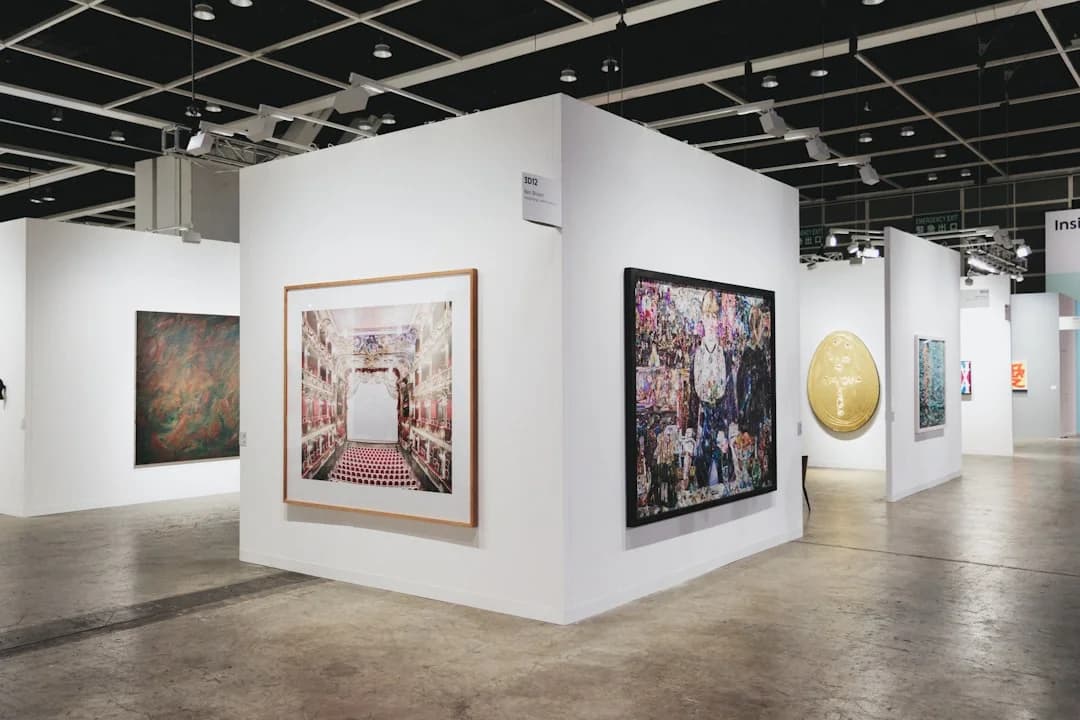
Photo by Spencer Chow on Unsplash
Chelsea gallery season 2026 has arrived in Manhattan with a wave of openings, new spaces, and programmatic experiments that point to a more data-driven, technology-enabled art ecosystem in Chelsea. The winter schedule—led by a cluster of Chelsea galleries and supported by public programs—kicked into high gear in late February 2026 and continues into March and beyond. From immersive openings to focused curatorial showcases, the city’s Chelsea district is once again central to New York’s art market, drawing collectors, curators, and audiences to a neighborhood known for its density of galleries and its history of shaping taste. Manhattan Monday’s data-driven briefing confirms that the Chelsea gallery season 2026 is not a single moment but a sustained rhythm of conversations, connoisseurship, and commerce that matters for the broader New York market. The season’s early momentum is anchored by new entrants, public-facing gallery walks, and competitions that bring visibility to both established and emerging voices in contemporary art. The week of February 19–21, 2026, alone showcased a trio of headline events that set the tone for the season, including a Chelsea art gallery walk, a major photography competition opening, and the launch of a new South Asian design gallery that anchors a broader diversification trend in the district. (manhattanmonday.com)
The season’s signal events reveal a deliberate blend of tradition and experimentation in Chelsea. On February 21, 2026, the Cornell Club of New York hosted a Chelsea Art Gallery Walk from 11 a.m. to 1 p.m., offering a curated tour through winning winter shows across several Chelsea galleries and providing a public-facing, data-informed way to experience the district’s ongoing exhibitions. Efren Olivares of Look@NYArt led the itinerary, underscoring the active role of gallery partnerships and curated programming in guiding visitors through a dense schedule. The event is part of a broader pattern in which Chelsea galleries actively collaborate with cultural clubs and educational groups to extend reach beyond the private-view audience and into the public sphere. This aligns with Chelsea’s long-standing role as a center of gallery culture in New York. (cornellclubnyc.com)
Meanwhile, Agora Gallery highlighted a February 19, 2026 opening for the 7th Chelsea International Photography Competition, bringing a curated cross-section of contemporary photographers to the heart of New York’s Chelsea art district. The competition is a recurring platform for presenting diverse bodies of work and for stimulating dialogue around issues of image-making, technology, and distribution in a rapidly evolving market. The Chelsea International Photography Competition and its partner programming also contribute to a Chelsea-wide cadence of shows that often run into March, creating a sustained pipeline of opportunities for collectors and institutions to engage with new media and traditional formats alike. (agora-gallery.com)
In parallel, Agora Gallery’s exhibitions calendar has framed a broader March rhythm, with exhibitions such as March Collective running March 3–24 and with a public reception on March 5. This programmatic structure—paired with other Chelsea openings during the same window—helps sustain foot traffic and media attention during the early spring season. The scheduling also demonstrates how Chelsea galleries leverage recurring showcases to anchor their marketing and reader-visible calendars while iterating new approaches to presentation, design, and visitor experience. (agora-gallery.com)
In another notable development for Chelsea’s ecosystem, a newly opened gallery, House of Santal, entered Manhattan in February 2026 with a focus on South Asian design. Located in a post-war conversion space on a prominent Chelsea corridor, House of Santal marks a strategic expansion of the district’s curatorial spectrum and signals a broader diversification of the kinds of design and art practices represented in Chelsea. The opening of House of Santal is emblematic of a wider trend toward specialty spaces that foreground regional design vocabularies within a global market, a trend that has been observed by design and architecture outlets covering New York’s gallery landscape. The outlet notes that House of Santal broadened the district’s footprint while offering new kinds of showroom and exhibition experiences for visitors. (wallpaper.com)
The broader Chelsea context—historically a dense ecosystem of galleries clustered along 18th to 28th Streets between Tenth and Eleventh Avenues—continues to inform this season’s dynamics. Chelsea’s gallery district has long been a driver of market activity, critical discourse, and collector immersion in a concentrated urban setting. The neighborhood’s infrastructure—its galleries, critique spaces, independent project rooms, and partnerships with cultural institutions—remains essential to understanding why Chelsea gallery season 2026 matters for the city’s art economy. The Chelsea Arts District page and related background sources provide essential context for interpreting how the 2026 season fits within a longer arc of Chelsea’s cultural economy. (en.wikipedia.org)
As the season unfolds, technology and data-driven practices are increasingly shaping how galleries present work, engage audiences, and measure impact. Manhattan Monday’s coverage highlights a trend toward immersive exhibitions, digital storytelling, and data-rich programs that enable visitors to engage with works through curated paths, interactive displays, and enhanced cataloging and digital archives. This shift complements traditional gallery viewing by offering scalable experiences that can reach broader audiences without sacrificing depth of analysis. The report suggests that the Chelsea gallery season 2026 is notable not only for the art itself but for the evolving platform through which art is experienced and evaluated. (manhattanmonday.com)
This season also reflects a more inclusive and multi-disciplinary approach to programming, with new entrants bringing specialized perspectives and older spaces expanding their offerings. The Chelsea district’s open, project-driven model remains a magnet for emerging artists and curators looking for venue flexibility and audience experimentation. This broader trend is reinforced by industry coverage and gallery guides that map spring 2026 openings across Manhattan’s Chelsea and the surrounding districts. For readers following Chelsea’s ongoing evolution, the 2026 season offers a lens into how galleries balance heritage space with new entrants and how programming shifts influence audience behavior and collector decisions. (twocoatsofpaint.com)
Section 1: What Happened
Openings and Programs
-
New entrants and flagship launches The opening of House of Santal in Midtown Manhattan marks a notable expansion of Chelsea’s design and art footprint beyond the long-established gallery corridor. The gallery describes itself as a platform focused on South Asian design, bringing a distinct curatorial voice to New York’s art and design scene. This development illustrates how Chelsea’s ecosystem continues to diversify its programming to include design-forward practice alongside traditional visual arts. The coverage emphasizes the gallery’s commitment to presenting one-off and limited-edition works in carefully staged environments. The opening itself was reported in February 2026 as part of the broader winter-to-spring surge in Chelsea’s activity, and it has been noted by design and architecture outlets alongside gallery press. (wallpaper.com)
-
Photography and visual culture in Chelsea February 19, 2026, witnessed the opening of the 7th Chelsea International Photography Competition at Agora Gallery, placing a spotlight on contemporary photography within the Chelsea district. The competition’s presence underscores Chelsea’s ongoing role as a hub for image-based practice, where artists engage with both traditional and digital media to address topical concerns—ranging from representation to technical experimentation. The competition’s opening date is a data point in the season’s calendar and has been documented by Agora Gallery as part of its ongoing exhibition program. (agora-gallery.com)
-
Public programs that connect galleries with the public On February 21, 2026, the Cornell Club of New York hosted a Chelsea Art Gallery Walk (11:00 a.m.–1:00 p.m.), providing a guided approach to examining winter shows across several Chelsea spaces. The walk was curated by Efren Olivares of Look@NYArt and illustrates how clubs and galleries collaborate to broaden accessibility to high-level programming and offer a structured, data-informed visitor experience. This event is part of a broader practice that helps demystify the Chelsea gallery circuit for a broader audience and supports the season’s longer-term engagement goals. (cornellclubnyc.com)
-
Ongoing gallery programming during March Agora Gallery’s calendar also featured March Collective, running March 3–24 with a March 5 opening reception, which demonstrates the district’s sustained pace into early spring. The collective format—often featuring multiple artists across a curated thematic or media-based program—helps maintain a robust visitor flow and provides collectors with a broad digest of current practices. The calendar is part of Agora Gallery’s ongoing strategy to present diverse exhibitions in a concentrated Chelsea location, reinforcing the district’s role as a dynamic center for contemporary art. (agora-gallery.com)
-
Complementary venues that contribute to the Chelsea rhythm Beyond the headline events, Chelsea’s ecosystem benefits from a mix of established spaces and newer entries that contribute to the district’s energy. An example often cited by industry observers is Chelsea Factory, a pop-up space that has operated in West Chelsea since Fall 2021 and continues to contribute to Chelsea’s experimental programming and gallery ecology. While not a brand-new venue in 2026, Chelsea Factory’s ongoing activity underscores how the neighborhood supports project-based programming and keeps the calendar dense with opportunities for visitors to engage with contemporary art in varied settings. (chelseafactory.org)
-
Public programming and festival-like energy In the spring of 2026, Chelsea’s programming intersects with major art events and fairs that sit alongside gallery openings, creating a multi-threaded season that benefits collectors and institutions alike. For instance, event coverage surrounding Chelsea’s participation in broader New York art week ecosystems references the presence of Chelsea galleries within a wider market context, including the annual Frieze New York ecosystem and related district-wide activities. The overall pattern—openings, competitions, gallery walks, and public programs—helps sustain momentum for the Chelsea district well beyond a single opening night. This context is supported by gallery guides and industry coverage that map the spring schedule across Manhattan’s Chelsea and adjacent neighborhoods. (twocoatsofpaint.com)
New Entrants and Program Diversity
-
House of Santal and diversification House of Santal’s emergence in 2026 is a case study in the district’s diversification strategy. The gallery’s emphasis on South Asian design demonstrates how Chelsea galleries are expanding beyond strictly Western, modernist, or purely fine-arts content to incorporate design-oriented practices that sit at the intersection of craft, furniture, and visual culture. Coverage of House of Santal describes a space that situates itself in a seventh-floor Midtown Manhattan setting, but with a mission aligned to South Asian design narratives that resonate with global collecting communities. This development signals an intentional expansion of Chelsea’s programmatic envelope and offers new pathways for cross-disciplinary engagement between design, architecture, and visual art. (wallpaper.com)
-
The ongoing role of established Chelsea spaces While new entrants shape the season’s image, Chelsea’s established spaces continue to anchor the district’s identity and market activity. The Chelsea district’s long-standing concentration of galleries remains a critical factor in the neighborhood’s ability to attract international collectors, curators, and media attention. The district’s historic configuration—spanning from 18th to 28th Streets along the West Side—supports a walkable, dense, and highly legible gallery circuit, enabling visitors to experience a wide range of artists, media, and curatorial approaches within a relatively small geographic footprint. This context is supported by the Chelsea Arts District overview, which remains a standard reference for understanding the arena in which the 2026 season unfolds. (en.wikipedia.org)
Public Reception and Accessibility
-
Public reception and audience engagement Public-facing programming such as gallery walks, multiple-venue openings, and inclusive showcases play a crucial role in how Chelsea galleries reach audiences beyond established collectors. The February 21 Chelsea Art Gallery Walk, for example, is designed to help attendees absorb a concentrated run of opens in a single afternoon, while still allowing time for independent engagement in individual spaces. The event illustrates how Chelsea’s gallery ecosystem leverages collaborative programming to maximize visitor exposure and to facilitate dialogue around current shows. (cornellclubnyc.com)
-
Visual culture and media attention Media coverage of Chelsea gallery season 2026—ranging from specialized galleries’ announcements to design-oriented outlets—underscores the season’s appeal to press and public alike. The Chelsea International Photography Competition’s opening and Agora Gallery’s ongoing schedule provide a narrative through-line for journalists covering the district, while the House of Santal story broadens the lens to include design discourse. This combination helps Chelsea secure sustained media interest through the early and mid-year months, which in turn supports market visibility for participating artists and galleries. (agora-gallery.com)
Section 2: Why It Matters
Market Signals: Demand and Attendance
-
Seasonal momentum and buyer behavior Chelsea gallery season 2026’s momentum matters because it signals the health of the local market and the viability of gallery ecosystems in a crowded urban environment. When new entrants arrive and public-facing programming expands, collectors have more touchpoints to engage with artists, and media narratives become richer, which can influence primary-market sales and secondary-market interest. The winter-to-spring cadence—evidenced by February openings, late February gallery walks, and March shows—helps maintain a steady stream of foot traffic, press coverage, and social-media amplification that keeps Chelsea in the public eye during a critical window for sales and connoisseurship. The February 19–21, 2026 events illustrate how a sandwich of programming can drive interest across a short period, expanding attention to both new and established players in the district. (agora-gallery.com)
-
Public events as market accelerants Public programs, such as gallery walks and curated group shows, can function as market accelerants by guiding attendees through a curated program, reducing friction for new visitors, and enabling better conversion from casual observers to collectors. The Cornell Club Chelsea Art Gallery Walk, with its guided route and curated approach, exemplifies how structured experiences help convert casual curiosity into deeper engagement. This pattern is corroborated by industry observers who note that events and curated experiences in Chelsea help sustain interest and attendance beyond opening night. (cornellclubnyc.com)
-
The role of major companion events The Chelsea corridor’s season benefits from alignment with larger citywide programs and fairs that draw press and buyer attention to New York’s Chelsea, Tribeca, and related districts. While not every event is a sale-ready transaction, the visibility generated by photography competitions, design installations, and multi-gallery showcases can support long-tail value creation for artists and galleries. Chelsea’s ongoing calendar, as documented by Agora Gallery and other venues, demonstrates how a dense, multi-week rhythm can help sustain market visibility and diversify collections over time. (agora-gallery.com)
Curatorial Trends and Audience Engagement
-
Diversification of voices and media Chelsea gallery season 2026 is notable for a move toward diversification in programming. The new entrants, such as House of Santal with its South Asian design focus, illustrate a broader push to present a more diverse set of practices within the same neighborhood. This diversification aligns with a broader market trend toward cross-cultural exchange and multi-disciplinary storytelling, which can expand the district’s audience base and attract new kinds of collectors and institutions. The emergence of new spaces and the continued presence of established Chelsea venues together create a richer, more varied map of contemporary practice. (wallpaper.com)
-
Technology-enabled exhibits and data-informed curation A data-driven approach to exhibitions and audience analysis is increasingly visible in Chelsea’s 2026 season. Galleries and media partners emphasize the use of digital catalogs, interactive viewing experiences, and online outreach to complement traditional wall-texts and gallery talk formats. This approach not only broadens reach to a global audience but also provides measurable insights into viewer behavior—helping galleries tailor their programs and optimize their ROI. The season’s early coverage points to a continuing trend toward tech-enhanced presentation, which could influence everything from gallery design to marketing strategy in the year ahead. (manhattanmonday.com)
-
The design dimension and cross-pollination Chelsea’s design and art ecosystems are increasingly intertwined, with design-forward programs attracting collectors who value cross-disciplinary narratives. The House of Santal opening exemplifies this cross-pollination, where South Asian design conversations intersect with contemporary art discourse, urbanism, and craft. This convergence enriches the district’s appeal to a broader audience, including interior designers, fashion professionals, and interdisciplinary curators, creating opportunities for partnerships and cross-venue collaborations that amplify the district’s overall impact. (wallpaper.com)
Implications for Collectors and Dealers
-
Portfolio considerations in a dense market For collectors and dealers, Chelsea gallery season 2026 offers a compressed but high-impact window to engage with a broad sweep of artists and practices. The presence of new entrants and curated programs means more opportunities to discover emerging talent early, alongside established names with proven track records. As galleries present a mix of solo shows, group shows, and thematic explorations, collectors can build incremental connections across media—photography, sculpture, design, and installation—within a compact geographic area. This environment encourages strategic visits, relationship-building, and careful pacing of acquisitions across the year. (agora-gallery.com)
-
Public programs as decision-support tools Public programming in Chelsea—like gallery walks and curated openings—can also function as decision-support tools for collectors. By aggregating multiple venues into a single itinerary, visitors are better able to weigh options, compare curatorial choices, and assess a broader spectrum of artists and media in a single outing. The Chelsea Art Gallery Walk demonstrates how structured experiences can guide audience learning and decision-making, which in turn affects how collectors plan purchases, negotiate with galleries, and time their trips to New York. (cornellclubnyc.com)
-
Design-forward opportunities and alternative collector tracks The introduction of spaces like House of Santal and the continued emphasis on design within Chelsea opens alternative collecting tracks that appeal to interior designers and design connoisseurs, not just traditional art collectors. The cross-disciplinary appeal helps galleries tap into adjacent markets and fosters continued growth in Chelsea’s overall ecosystem. This is particularly relevant as global buyers seek multi-object, integrative experiences that align with interiors, architectural projects, and curatorial research. (wallpaper.com)
Section 3: What’s Next
Upcoming Highlights
-
Remaining February and March programming The immediate future of Chelsea gallery season 2026 includes ongoing shows and planned receptions at multiple Chelsea venues, with the March timeframe continuing to host exhibitions, talks, and opportunities to engage with artists in conversation. Agora Gallery’s ongoing calendar, including March Collective (March 3–24) and additional Chelsea-based programming beyond February, remains a central spine of the season. The rhythm of exhibitions across multiple venues in a short period reinforces Chelsea’s role as a dense, navigable gallery district that offers both depth and breadth in contemporary practice. (agora-gallery.com)
-
Potential alignment with broader art-week calendars As spring progresses, Chelsea is likely to intersect with New York’s broader art-week ecosystems, including contemporary fairs, museum programs, and related citywide happenings. While the 2026 calendar can shift, the district’s established pattern—multiple simultaneous openings, opening-night receptions, and guided tours—helps ensure sustained visibility and audience engagement during a critical shopping and collecting window. Industry observers routinely monitor these crossovers to gauge momentum and to anticipate where artists and galleries will focus in the months ahead. (twocoatsofpaint.com)
-
Public-facing and accessibility-oriented initiatives The ongoing emphasis on accessibility, public programming, and cross-disciplinary collaboration suggests that Chelsea’s 2026 season may include more artist talks, public project spaces, and collaboration with cultural clubs and educational partners. The February 21 Chelsea Art Gallery Walk is an example of how public engagement initiatives can elevate the season’s profile and widen the audience for contemporary art in a dense urban neighborhood. As the season unfolds, additional public programs are likely to emerge, expanding the district’s ability to welcome visitors who are new to the Chelsea scene while still serving established collectors and scholars. (cornellclubnyc.com)
-
Design-forward collaborations and cross-sector partnerships With House of Santal representing a design-forward addition to the Chelsea ecosystem, the 2026 season could see further collaborations between galleries, design houses, architecture firms, and design-centric institutions. The cross-pollination of disciplines in Chelsea has the potential to yield new show formats, multi-venue experiences, and collaborative programming that appeals to a broader audience of collectors, architects, designers, and cultural enthusiasts. Such partnerships would align with Chelsea’s historical trend toward multi-venue, multi-media, and cross-disciplinary programming and could help sustain the district’s relevance in a rapidly changing art market. (wallpaper.com)
-
Market and media tracking in real time As the season progresses, media outlets and gallery aggregators will likely publish updated roundups, visitor statistics, and market signals tied to Chelsea’s 2026 season. The practice of tracking openings, attendance, and public reception will help industry professionals refine their expectations and strategies for the remainder of the year. Manhattan Monday’s approach—combining data-driven analysis with timely reporting—may serve as a model for ongoing coverage, providing readers with a transparent, numbers-informed view of Chelsea’s role in the broader New York market. (manhattanmonday.com)
How to Experience Chelsea Gallery Season 2026
-
Planning a season itinerary Due to the density of Chelsea’s gallery scene, planning a focused itinerary is essential for visitors who want to maximize their time and engagement. A practical approach is to map out the February and March venues you want to visit, cross-check opening receptions, and schedule gallery talks or artist Q&As when available. Public programs like the Chelsea Art Gallery Walk illustrate how curated experiences can help visitors optimize their route and spend meaningful time with each show. For those seeking a curated experience, Look@NYArt’s program leadership can be a resource to connect with guided tours and tailored itineraries. (cornellclubnyc.com)
-
Balancing new entrants with established venues A balanced itinerary should mix new entrants like House of Santal with anchor Chelsea spaces that have a longer track record in the market. This approach allows collectors and curators to compare approaches to display, storytelling, and pricing across a spectrum of practices. The season’s combination of new and established venues also reflects Chelsea’s broader market dynamics, where risk-taking and consistency coexist, offering a nuanced view of contemporary art and design in New York. (wallpaper.com)
-
Engaging with public programs and competitions Public programs—gallery walks, artist talks, and competitions—provide opportunities to engage with works beyond the gallery walls. The February 21 Chelsea Art Gallery Walk and the Chelsea International Photography Competition’s February 19 opening demonstrate how public programs can help visitors access a broader swath of the season’s programming. Engaging with these events offers a reliable way to understand the season’s themes, as well as to identify artists and works that align with one’s collecting or research interests. (cornellclubnyc.com)
Closing
The Chelsea gallery season 2026 is shaping up as a rigorous, data-informed, and design-conscious edition of New York’s most storied gallery district. From the debut of House of Santal to the sustained rhythm of openings, competitions, and gallery walks, the season reflects Chelsea’s ongoing evolution as a global hub for contemporary art and design. For readers seeking to understand how Chelsea’s market and curatorial culture are changing, the early February through March window offers a valuable snapshot of how new voices join established players, how audiences are invited into more immersive experiences, and how technology is becoming part of the gallery experience in meaningful, measurable ways. As the season unfolds, expect more public programs, more cross-disciplinary collaborations, and a steady stream of new work that will shape conversations in galleries, studios, and collector circles across New York and beyond. Chelsea gallery season 2026 is not merely about a series of openings; it is a barometer of where the city’s art market is headed in the near term, and it invites a careful watcher’s eye to observe how artists, curators, and galleries respond to a rapidly shifting landscape. (en.wikipedia.org)
Stay tuned to Manhattan Monday for ongoing, data-informed updates on Chelsea gallery season 2026, including the evolving roles of new entrants, public programming, and market indicators that matter for collectors, exhibitors, and enthusiasts alike.