Chelsea gallery scene 2026: New Spaces, Voices, NYC Market

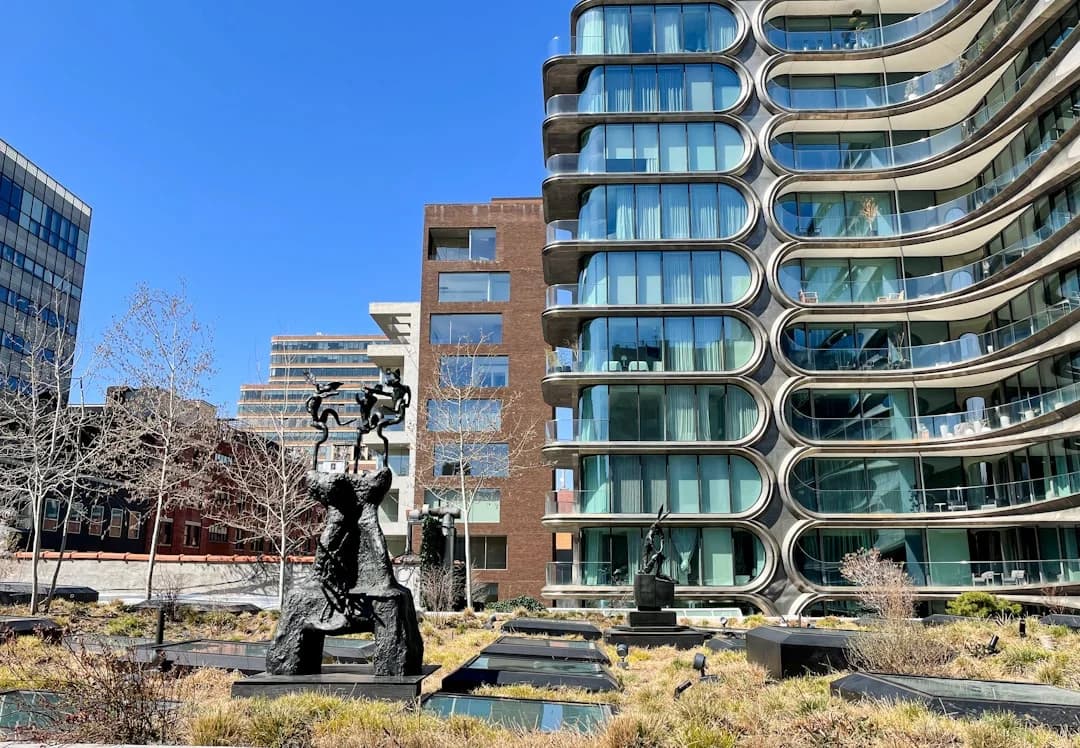
Photo by Bia Frenkel on Unsplash
The Chelsea gallery scene 2026 is unfolding as a data-driven moment for New York’s art ecosystem. Across West 20th to West 28th Streets, veteran spaces deepen their footprints even as new flagship galleries push the district’s footprint outward. For Manhattan Monday readers, the story is not just about pretty openings; it is about the economics of real estate, the rhythm of fair weeks, and the strategies galleries use to navigate a market that has shown both resilience and volatility in recent years. In early 2026, Chelsea remains a global hub for contemporary art, and the current arc is being shaped by a mix of new spaces, strategic realignments, and the ongoing recalibration of how collectors engage with art in person. This is not a single moment but a sustained trajectory, and the data points emerging through 2025 and into 2026 suggest a neighborhood that is both expanding and recalibrating its role in the broader market.
Among the most consequential developments unfolding in the Chelsea gallery map is the ongoing expansion of major institutional players into the district. For example, David Zwirner opened a Chelsea flagship at 533 West 19th Street in May 2025, a project designed to complement the gallery’s existing Chelsea presence and to accommodate larger-scale works and more ambitious programming. The new space, developed with Selldorf Architects, is described as a two-story addition that broadens the gallery’s West 19th Street campus and signals a renewed investment in Chelsea as a long-term anchor for contemporary practice. The opening featured Michael Armitage as a centerpiece, underscoring the space’s emphasis on international, high-profile programming that can attract collectors traveling for Chelsea’s openings during peak art weeks. These specifics—533 West 19th Street, opening date May 8, 2025, and the Michael Armitage show—come from the gallery’s own communications and architectural documentation, which together map a clear inflection in the district’s institutional footprint. (davidzwirner.com)
Beyond Zwirner, the district’s commercial rhythm is animated by how galleries position new or expanded spaces amid a changing fair calendar. For instance, while 2024 and 2025 saw several Chelsea institutions announcing shifts in strategy, 2025 also featured notable openings and programming that kept Chelsea’s schedule tight during Frieze Week and related events. Notably, major fairs continued to foreground Chelsea’s centrality: Frieze New York 2026 is expected to feature substantial Chelsea representation, continuing a trend that blends gallery openings with fair activity to sustain foot traffic and collector attention in the neighborhood. The fair’s exhibit lineups and the concentration of Chelsea players within Frieze New York’s ecosystem illustrate how the district remains a hinge between traditional gallery programming and the broader festival atmosphere that now characterizes contemporary art weeks. The 2026 Frieze New York exhibitor list, reported by The Art Newspaper, underscores the ongoing importance of Chelsea’s roster in a year when the fair’s scale and invitation list play a central role in shaping collectors’ itineraries. (theartnewspaper.com)
Alongside openings, the Chelsea market has also experienced the reverberations of closures and strategic pivots that underscore the section’s “news” dimension. The Art Newspaper reported in 2024 and 2025 that a cluster of long-standing Chelsea spaces paused or closed operations, a pattern attributed to a mix of market volatility, space costs, and shifts in how artists, dealers, and institutions prioritize exhibition programs. In 2024, Mitchell-Innes & Nash announced it would close its Chelsea gallery while transitioning to a project-based advisory model, highlighting how even well-established Chelsea players reassess their physical presence in response to market pressures. More broadly, The Art Newspaper documented a wave of New York gallery closures in 2024-25 as the market recalibrated after the pandemic-era peak, a context that informs how new entrants and expansions are viewed within the current cycle. These moves matter because they influence Chelsea’s competitive dynamics, the availability of spaces, and the capacity for new voices to gain visibility. (theartnewspaper.com)
In parallel with openings and closings, Chelsea’s neighborhood dynamics intersect with New York’s real estate and retail market trends, which provide a backdrop for galleries’ decisions about location, scale, and investment. Chelsea has remained a high-demand area for gallery and related creative uses, with 2025 data indicating Chelsea dominated Manhattan retail activity, including substantial space leasing in the district. While these figures pertain to retail more broadly, they illuminate the economic environment galleries operate within—costs, availability, and market momentum all influence decisions about expansion or contraction. In 2025, Chelsea accounted for a large portion of Manhattan retail leasing activity, a signal that space remains at a premium and that the district’s cultural draw continues to attract both banks and art brands seeking a premium presence. (fnyr.com)
What happened in Chelsea in 2025 and into 2026 also includes important signals from the broader NYC market and institutional shifts that intersect with Chelsea’s gallery map. Sotheby’s has advanced its presence in New York by establishing a new global headquarters in the Breuer Building at 945 Madison Avenue, a development that accents the city’s architectural and cultural landscape as a whole and indirectly affects Chelsea’s ecosystem by reinforcing New York’s position as a global art capital. While the Breuer Building relocation is not within Chelsea proper, the project’s scale and visibility—paired with the Independent 20th Century fair’s announced move to the Breuer space in 2026—signal a city-wide reconfiguration of where and how major art events and institutions operate. These developments matter to Chelsea galleries because they shape collector traffic, partnership opportunities, and cross-district collaborations that help Chelsea maintain its status as a premier destination for contemporary art. (sothebys.com)
Section 1: What Happened
Major openings and reconfiguration in Chelsea
David Zwirner expands Chelsea footprint with a new flagship
David Zwirner’s Chelsea flagship at 533 West 19th Street opened in May 2025, marking a significant expansion that deepens Chelsea’s status as a center for large-scale contemporary works. The project, designed by Selldorf Architects, adds substantial gallery capacity and creates a platform for ambitious exhibitions, including a Michael Armitage show that launched the space. The opening underscores the ongoing confidence of leading institutions in Chelsea’s long-term role within the city’s art economy. This development is documented in the gallery’s own materials and architecture-focused communications, which together establish a timeline and spatial footprint for what many in the market are now calling a renewed Chelsea anchor. (davidzwirner.com)
Gagosian strengthens Chelsea presence with high-profile programming
Gagosian has sustained its presence in Chelsea through high-profile exhibitions and a continued expansion cadence. Notably, the gallery’s Chelsea program has featured major presentations at its West 24th Street complex, including Willem de Kooning: Endless Painting, with openings occurring in 2025. This pattern—celebrated programming paired with strategic space use—illustrates how large global galleries approach Chelsea not merely as a physical location but as a multi-year platform for shaping the discourse around contemporary painting and sculpture. Contemporary coverage of these openings points to the ongoing prestige and draw of Chelsea’s flagship spaces for a global audience. (gagosian.com)
Chelsea closures and market recalibration shape the playing field
The Chelsea gallery map is not only about openings; it’s also about strategic exits and recalibrations. The Art Newspaper reported in 2024 that several long-standing spaces in New York, including in Chelsea, paused operations or closed, signaling the market’s adjustment from earlier pandemic-era expansion to a more selective set of players. In 2025, industry observers noted continued gallery closures as part of a broader market correction, with Chelsea among the neighborhoods affected by higher rents and shifts in sales cycles. These closures matter because they influence how new entrants calibrate their programs, the risk calculus for large projects, and the opportunities available to emerging curatorial projects seeking a Chelsea base. (theartnewspaper.com)
Frieze Week and the Chelsea effect
Frieze New York remains a barometer for Chelsea’s vitality as a district that generates both press attention and collector footfall. The 2026 edition is expected to continue the district’s central role in the art week ecosystem, with a substantial representation of Chelsea-facing galleries participating in the fair and related programming. The fair’s leadership and exhibitors reflect Chelsea’s ongoing ability to attract and mobilize a global collector base, reinforcing the district’s status even as market conditions evolve. (theartnewspaper.com)
Related fairs and cross-district shifts
In 2026, other fairs and independent events are shifting into strategically significant spaces that intersect with Chelsea’s network. For example, the Independent 20th Century fair announced plans to relocate to Sotheby’s Breuer Building in 2026, highlighting a cross-district dynamic that can influence Chelsea’s own event calendar by streamlining access to major gathering points for collectors and curators. While this move is centered at a flagship NYC venue outside Chelsea’s immediate boundaries, it signals a city-wide recalibration of venues that Chelsea galleries may leverage for partnerships, satellite programming, or joint exhibitions. (theartnewspaper.com)
Why It Matters: the market context and neighborhood dynamics
Market resilience and the economics of space

Photo by Akshat Jhunjhunwala on Unsplash
Chelsea’s ongoing importance to the art market sits within a broader New York real estate story. While the neighborhood’s rents and space costs can be high, the district’s cultural pull continues to drive demand for gallery footprints. In 2025, Chelsea dominated Manhattan’s leasing activity in retail contexts, underscoring the neighborhood’s continued vitality as a premier location for brand experiences and high-visibility exhibitions. This backdrop matters for galleries contemplating expansion, as it frames both the opportunities and the costs of maintaining a Chelsea presence in 2026. The data also helps explain why major institutions like Zwirner would invest in a Chelsea flagship during the period and why international fairs and cross-city collaborations remain tethered to Chelsea’s geographic advantage. (fnyr.com)
Collectors, institutions, and audience behavior
The Chelsea district’s magnetism draws collectors who want to immerse themselves in multiple openings over short timeframes, particularly around major weeks. The Frieze NYC ecosystem, combined with Chelsea’s dense concentration of galleries, shapes collector travel itineraries and curatorial decision-making. Market observers have highlighted how in-person viewing remains a strong predictor of sales, even as online platforms grow in importance. UBS’s annual Art Basel and UBS Art Market Report has documented shifts in dealer sales, underscoring that people still place high value on in-person encounters when purchasing high-value works. In 2024–2025, analysts described a period of market recalibration rather than a collapse, with new openings and ongoing fairs helping to buoy activity. For Chelsea galleries, this means continued emphasis on high-concept presentations and robust publication and media strategies to translate foot traffic into sales and long-term patronage. (news.artnet.com)
The importance of cross-district and cross-institutional momentum
Chelsea’s story in 2026 is inseparable from the broader New York art ecosystem. While Chelsea remains the anchor district, the city’s exhibition and fair infrastructure—Sotheby’s Breuer Building redevelopment, Independent 20th Century’s 2026 relocation, and the ongoing expansion efforts by primary blue-chip players—collectively shape how Chelsea galleries plan their programs, curate their rosters, and engage audiences. The cross-pollination among Chelsea spaces, outside venues, and major city-wide events creates a dynamic that benefits established players and new entrants who can offer differentiated programming, such as site-specific collaborations, artist-centric exhibitions, and immersive experiences that exploit the district’s architectural legibility. (sothebys.com)
What’s Next: looking ahead to 2026 and beyond
Upcoming openings and ongoing expansions
The momentum generated by Chelsea’s 2025 openings is expected to continue into 2026. Pace Gallery’s New York program illustrates Chelsea’s ongoing viability as a site for major exhibitions, including contemporary program expansion at 540 West 25th Street and ongoing activity across its Chelsea locations. Pace’s publicly available programming and gallery pages emphasize Chelsea’s role as a long-term anchor for its cross-portfolio exhibitions and artist interactions. As galleries plan for 2026, the Taller-scale flagship openings and satellite initiatives—such as new presentations at 533 West 19th Street and existing Chelsea spaces—signal a sustained appetite for Chelsea as a core market and a primary locus for ambitious, multi-year programming. (pacegallery.com)
Industry moves and calendar anchors to watch
Several calendar anchors and institutional shifts should factor into Chelsea’s trajectory in 2026. Frieze New York will again be a focal point for Chelsea galleries, with an anticipated strong Chelsea presence among exhibitors and program partners. In addition, the Independent 20th Century fair’s move to Sotheby’s Breuer Building in 2026 points to an ongoing reimagining of how major shows are staged in Manhattan, potentially generating new synergies for Chelsea’s spaces and its artists. Collectors and curators should monitor how these cross-venue collaborations unfold, including potential satellite programs, joint publications, and shared exhibition calendars that help Chelsea maintain momentum during peak art seasons. (theartnewspaper.com)
Signals to watch in 2026
- Gallery openings and flagship expansions: Expect continued announcements by major houses that frame the Chelsea map, with Zwirner already demonstrating a strategy of deepening Chelsea’s capacity for ambitious projects. (davidzwirner.com)
- Fair lineups and neighborhood synergies: Frieze New York 2026’s Chelsea representation will provide a barometer for the district’s ongoing pull and the depth of its dealer network. (theartnewspaper.com)
- Cross-district venue moves and city-scale investments: The Breuer Building’s redevelopment and the Independent fair’s relocation reflect a city-wide shift in how and where major art events occur, with Chelsea galleries potentially benefiting from more integrated programming across districts. (sothebys.com)
Closing Chelsea gallery scene 2026 is not a single headline but a mosaic of openings, closures, cross-venue collaborations, and calendar-driven momentum. As Chelsea continues to attract and sustain flagship programs from the world’s most significant galleries, the district remains a central node in the global art economy. The data-backed narrative suggests a healthy, if nuanced, market where new spaces and established institutions alike are recalibrating for a post-pandemic era, with continued emphasis on in-person viewing, high-impact exhibitions, and strategic partnerships that move beyond any one gallery to the city’s broader cultural ecosystem. Readers seeking to stay ahead should watch for calendar updates around Frieze Week, the Independent 20th Century show’s Beuer Building engagements, and the next wave of Chelsea openings that could redefine the district’s identity in 2026 and beyond. (theartnewspaper.com)
If you’d like, I can add a structured timeline with exact dates for all major announced Chelsea openings and fair dates as they’re officially published, or tailor this piece to highlight a particular gallery or artist roster.