Chelsea Art-market and Gallery District Evolution 2026
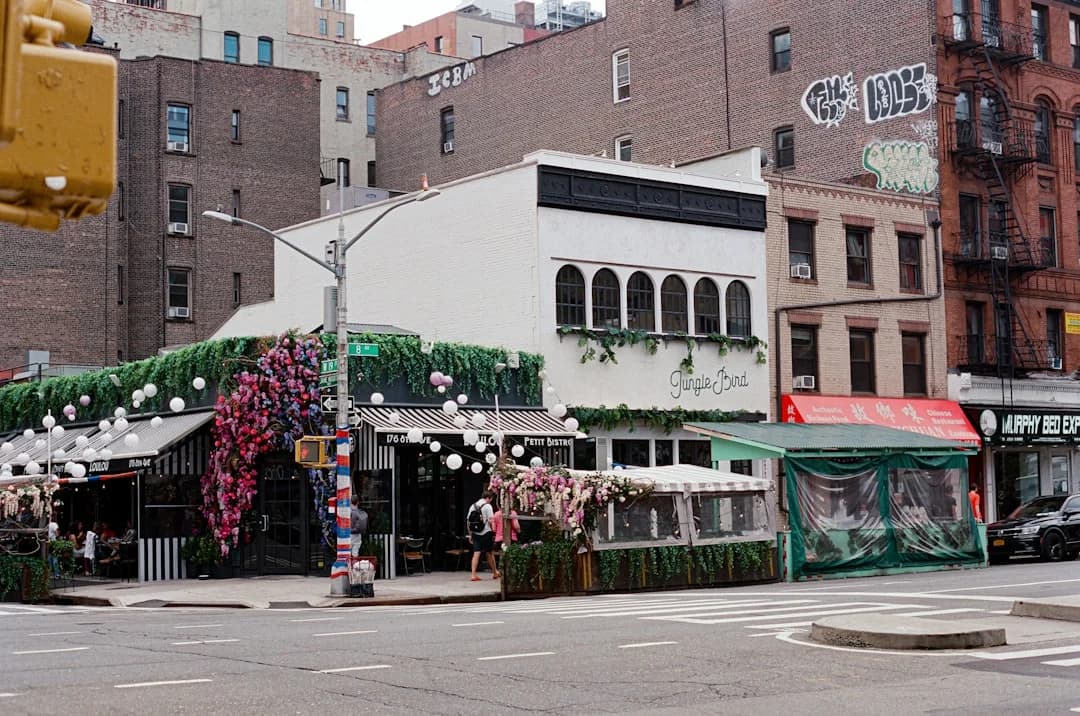
Photo by Ruben Abreu on Unsplash
The Chelsea art-market and gallery district evolution 2026 is unfolding at a moment when New York’s art ecosystem sits at the intersection of creativity, real estate, and technology-driven market signals. In early 2026, Manhattan Monday’s data-driven briefing shows that Chelsea remains a central hub for contemporary art, even as its physical footprint continues to adapt to shifting demand, evolving tenant mixes, and a rapidly changing urban landscape. The district’s resilience is underscored by ongoing liquidity in major properties and a steady cadence of gallery activity during peak industry events. As Frieze Week New York 2025 confirmed, Manhattan’s gallery corridor on the West Side remains a magnet for collectors, curators, and exhibitors alike, with venues along West 18th to West 22nd streets sustaining a high level of programmatic activity and cross-market visibility. This ongoing activity has important implications for prices, lease structures, and the health of the broader New York art market. (frieze.com)
Beyond the event calendar, a set of high-profile real estate moves continues to shape the district’s trajectory. A landmark 400,000-square-foot commercial building on the West Chelsea High Line corridor — the Wolff Building at 508–534 West 26th Street — has been on the selling block since December 2024, with Colliers marketing the property for as much as $170 million. The asset’s long history as a gallery and studio hub, and its current near-full occupancy (about 94%), illustrate the district’s perceived value both as a cultural space and as a generator of adjacent economic activity. The sale discussion and the momentum around West 26th Street demonstrate how gallery districts can influence, and be influenced by, large-scale real estate flows. This dynamic was documented in December 2024 and remains a touchstone for 2026 market commentary. (commercialobserver.com)
In parallel, the district has seen notable shifts in gallery tenancy and strategy. In 2024, several long-standing Chelsea institutions announced changes that highlighted the broader industry recalibration: Mitchell-Innes & Nash announced a transition from a traditional Chelsea gallery to a “project-based advisory” program after decades of operation in West Chelsea, signaling a new approach to artist representation and market engagement. Cheim & Read also stepped back from traditional gallery space, with Marlborough Gallery wavering between consolidation and optional closure in its Chelsea footprint. These moves reflect a market in which owners and operators are reassessing space usage, revenue models, and community commitments in a high-cost environment. The Art Newspaper’s reporting on Mitchell-Innes & Nash and related coverage of Cheim & Read and Marlborough anchors this context for 2024–2025, with implications reverberating into 2026. (theartnewspaper.com)
Opening pace and content during Frieze Week 2025 underscored Chelsea’s continued role as a living, dynamic art district. The Frieze Week feature for Chelsea highlighted a roster of gallery spaces delivering exhibitions, artist talks, and programmatic events across multiple blocks, demonstrating how a high-profile industry calendar can amplify local traffic, cross-market sales, and international attention. The piece notes the presence of flagship spaces and smaller gallery programs alike, underscoring that the district’s appeal remains multi-tiered and globally navigable. This event-driven vitality matters for 2026 because it reinforces the model by which Chelsea maintains visibility in a global market, even as real estate pressures and consolidation pressures evolve. (frieze.com)
Section 1: What Happened
West Chelsea real estate momentum persists
The West Chelsea gallery district has repeatedly proven its resilience by translating art-market demand into tangible liquidity signals for property owners and developers. The Wolff Building case study, a 400,000-square-foot complex along the High Line, serves as a marquee example. Marked for sale at up to $170 million in December 2024, the building’s occupancy rate and exposure to gallery tenants spotlight how art-adjacent real estate can be a macroeconomic indicator for the district. The building’s long-standing tenants, including prominent galleries, and the ongoing redevelopment in the neighborhood (such as the Terminal Warehouse conversion into Class A office space and the Starrett-Lehigh Building renovations nearby) contribute to a narrative in which art spaces anchor a broader commercial ecosystem. This signal is widely cited in market roundups and brokerage discussions surrounding Chelsea’s commercial trajectory. (commercialobserver.com)
Gallery space strategy shifts reflect a market recalibration
The Chelsea gallery ecosystem has seen several strategic shifts that illuminate 2026 expectations. In 2024, Mitchell-Innes & Nash announced a move away from a traditional Chelsea gallery footprint toward a project-based advisory platform, signaling a broader shift in how galleries manage risk, inventory, and viewer engagement in a high-cost space. The Art Newspaper framed this as part of a longer-term transition in which galleries reconfigure models to better align with primary-market activities and estates representation. The Cheim & Read and Marlborough conversations, though not all finalized, likewise reflect a period of rethinking brand presence and real estate commitments in Chelsea’s core zones. These moves matter in 2026 because they offer a glimpse into a market where the economics of running a conventional gallery space are increasingly intertwined with broader services, partnerships, and alternative revenue streams. (theartnewspaper.com)
Event-driven activity sustains Chelsea’s international pull
Frieze Week 2025 coverage confirms that Chelsea continues to serve as a hub for large-scale fairs, gallery openings, and cross-border collaborations. The article emphasizes a curated set of Chelsea venues that hosted exhibitions aligned with Frieze New York programming, reinforcing the district’s status as a global art market epicenter. The takeaway for 2026 is that Chelsea’s street-level vitality — including openings, closings, and satellite programs during major art-market events — remains a critical driver of collector traffic and pricing power. The presence of high-profile galleries like David Zwirner during Frieze Week and related exhibitions across 19th–21st Streets illustrates the ongoing concentration of premium spaces that help anchor Chelsea’s reputation. (frieze.com)
Notable transactions shaping the 2026 landscape
Beyond the Wolff Building sale, the district’s market activity is punctuated by other large-scale transactions and ownership transitions. The sale and restructuring of prominent Chelsea assets—along with ongoing condo and mixed-use developments nearby—underscore a market where macroeconomic headwinds coexist with a premium on cultural capital. Deal Magazine’s reporting on the Chelsea Art Building (508–534 West 26th Street) highlights how a single asset can become a focal point for displacement debates and long-term planning discussions within the community. As developers, investors, and policymakers weigh preservation versus modernization, Chelsea’s art district continues to test creative placemaking norms in a high-stakes real estate environment. (dealmagazine.com)
Section 2: Why It Matters
The art ecosystem’s exposure to real estate cycles
Chelsea’s status as a premier gallery district makes its market dynamics highly sensitive to broader real estate cycles. The Wolff Building sale illustrates how a district’s cultural fabric can translate into a defensible, high-value asset class for institutional buyers. The 400,000-square-foot footprint and 94% occupancy underscore the district’s ability to attract stable, long-term tenants even as ownership conversations evolve around scale, amenities, and adjacency to new residential towers. The broader narrative — that art districts can serve as both cultural engines and real estate anchors — is a central theme driving investor appetite and public policy discussions in 2026. This dynamic is echoed in broader market analyses that show Chelsea’s submarket often leading in terms of certain commercial activity within Manhattan, even as rents and development patterns shift. (commercialobserver.com)
Artist and gallery community implications
The 2024 closures and transitions within Chelsea galleries reflect a tension between the district’s cultural mission and the economic realities of high rents. The Mitchell-Innes & Nash transition, the Cheim & Read exit, and Marlborough’s broader strategic questions (as reported by The Art Newspaper and broker-led coverage) suggest that long-time institutions are rethinking space commitments and exploring new models for sustaining artistic work in Chelsea. For artists and smaller galleries, these shifts can mean both risks and opportunities: risk of displacement in intensifying real estate markets, and opportunities to partner with advisory platforms, venture co-ops, or new ownership structures that maintain artist spaces while delivering sustainable business models. In 2026, stakeholders will be watching whether preservation protections and community-led initiatives can co-exist with high-value commercial opportunities. (theartnewspaper.com)
The broader market context and the global art economy
The Chelsea story does not exist in isolation. Market coverage during Frieze Week 2025 and subsequent market analyses point to a recalibration of taste, pricing, and access across the U.S. art market. While the broader market faces pockets of headwinds (as some sources note, with overall U.S. sales fluctuations around the mid-2020s), Chelsea’s combination of industrial legacy, proximity to cultural institutions, and proximity to luxury development keeps it uniquely positioned in the global art economy. The Frieze Week reporting emphasizes Chelsea’s capacity to host high-caliber programs while leveraging its street-level identity to keep audiences engaged. This balance matters for 2026 because it indicates that the district’s value proposition remains anchored in both its cultural content and its ability to attract cross-sector investment. (frieze.com)
The role of policy, planning, and community
NYC planning documents and local government activity underscore that Chelsea’s evolution will be guided by planning decisions, affordability considerations, and the city’s broader urban strategy. West Chelsea’s planning context, including discussions around gallery space rents, mixed-use development, and the social value of artist communities, provides a framework for understanding how Chelsea’s gallery district evolution 2026 may unfold. The West Chelsea District planning materials emphasize the market’s sensitivity to rent levels and the continuing appeal of gallery space, even as the city weighs housing, office, and cultural space needs. These dynamics will shape policy decisions and market outcomes in the near term. (nyc.gov)
Section 3: What’s Next
Near-term timeline and watch items
- Early 2026: Continued activity around major art-market events and openings, with Chelsea galleries leveraging new positions or partnerships to broaden reach. The Frieze Week framework from 2025 offers a blueprint for how Chelsea spaces can work in concert with global fairs to maximize audience exposure and sales velocity. Watch for the performance of new Chelsea programs and pop-ups, as these can signal shifts in space utilization without requiring long-term commitments in a high-rent environment. (frieze.com)
- Mid-2026: Real estate conversations around West 26th Street and adjacent blocks will continue to shape the district’s supply dynamics. The Wolff Building example demonstrates that large-scale, gallery-adjacent assets are still changing hands and that high-profile assets can catalyze broader neighborhood dynamics, including nearby condo development and office conversions. Market watchers should monitor whether new ownership or tenant structures preserve gallery identity while enabling sustainable occupancy and revenue models. (commercialobserver.com)
- Late 2026 into 2027: The industry will likely assess the long-term impact of 2024–2025 closures and transitions on Chelsea’s ecosystem. If preservation and community protection measures gain momentum (as suggested by ongoing displacement concerns in Chelsea’s landlord conversations and community advocacy), Chelsea could see a more hybrid model that blends traditional gallery spaces with advisory platforms, co-working art spaces, and artist-run initiatives. The Art Newspaper’s reporting on gallery strategy shifts provides a lens for how such a hybrid model could manifest. (theartnewspaper.com)
- Ongoing monitoring: The district’s open-hour calendars, gallery rosters, and new real estate listings will provide real-time signals about capitalization trends and demand for top-tier spaces. The Frieze Week framework remains a useful signal for how Chelsea negotiates attention and capital during peak seasons. Watch for new openings by major international galleries and the pace at which space becomes available or re-absorbed by premium tenants. The Chelsea market is not static; it is a function of both artistic program and the economics of space. (frieze.com)
What to watch for in 2026
- Preservation versus development debates: As large assets in Chelsea’s core footprint (like the West 26th Street complex) change hands, stakeholders will weigh preservation of the district’s artistic identity against the incentives of upscale housing, office, and mixed-use projects. Community advocacy around artist space preservation and affordability will play a material role in shaping outcomes. The ongoing discussions around the Naftali Foundation property illustrate the fragility and complexity of these trade-offs. (dealmagazine.com)
- Operational model diversification: Galleries increasingly experiment with advisory services, private transactions, and alternative revenue streams to complement traditional exhibitions. Mitchell-Innes & Nash’s shift toward a project-based advisory platform signals a broader trend toward diversified business models for art businesses in Chelsea and beyond. This could influence how the district allocates space and supports artists in a market with intensifying rent pressure. (theartnewspaper.com)
- Event-driven demand signals: Major industry events, including Frieze Week and related programs, will continue to shape weekend and weekday traffic in Chelsea. The 2025 event coverage demonstrates the capacity of Chelsea to generate outsized attention during peak cycles, which can have knock-on effects for nearby venues, restaurants, and transit flows. 2026 will likely see continued alignment of event calendars with gallery programming as a core driver of short-term demand. (frieze.com)
Closing
Chelsea’s art-market and gallery district evolution 2026 presents a nuanced picture: one of ongoing value creation anchored in the district’s cultural capital, tempered by real estate dynamics that push for adaptive business models and protective measures for artist spaces. The Wolff Building’s market signals, the closures and strategic pivots in Chelsea galleries, and the continued importance of event-driven activity all point to a district that remains central to the global art economy while also confronting the realities of space scarcity and rising rents. For readers seeking to stay ahead of the curve, tracking major asset sales, gallery lease activity, and policy developments in West Chelsea will be essential. The Chelsea narrative is far from static, and 2026 offers an opportunity to observe how a storied district negotiates tradition, innovation, and market pressures in real time.
As the market evolves, readers can stay informed through ongoing coverage of Chelsea’s gallery district by checking major industry outlets during Frieze Week, monitoring commercial real estate reports that track Chelsea submarket activity, and following community-based advocacy efforts that seek to balance artistic vitality with urban development. For those with a stake in Chelsea’s future — artists, gallerists, collectors, developers, and policymakers — the question is not only how much space is available, but how effectively that space supports a thriving, innovative, and accessible art ecosystem in 2026 and beyond. The district’s path will continue to be written in real time by the choices people make about space, program, and partnership.