Bronx neighborhood development 2026: News and Trends

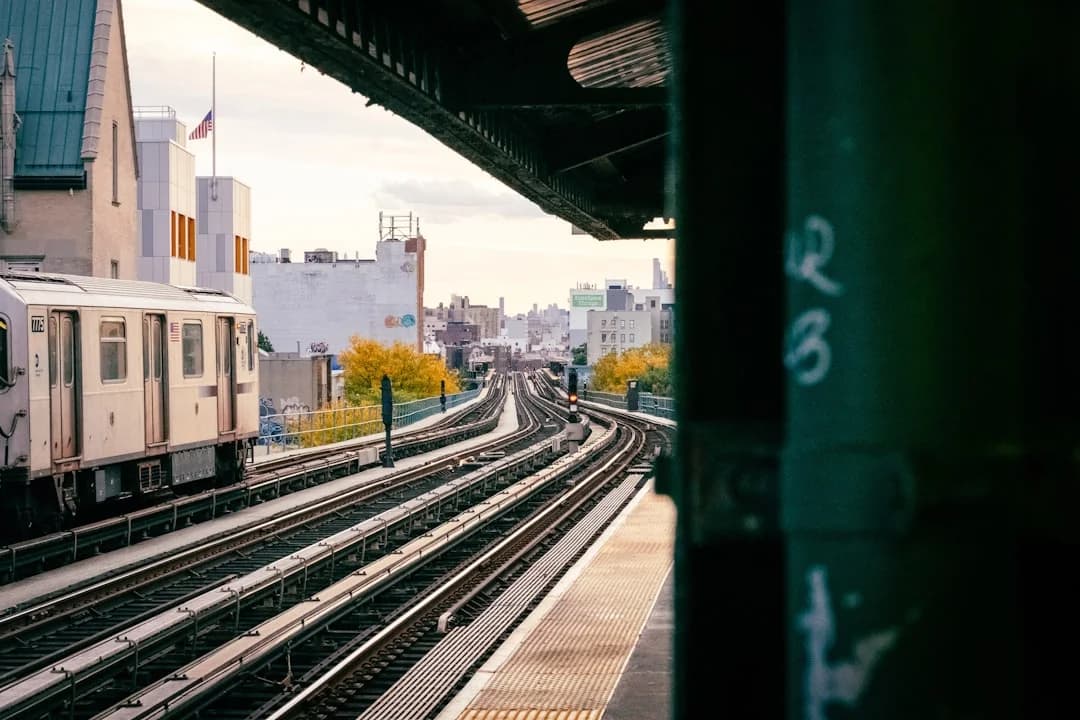
Photo by Shehan Rodrigo on Unsplash
The year 2026 is shaping up as a pivotal moment for Bronx neighborhood development 2026, with a wave of housing, transit, and cultural investments designed to reshape the East and Northwest Bronx. Officials, developers, and community groups are coordinating on a portfolio of projects that pair new Metro-North stations with neighborhood-scale amenities, affordable housing, and public realm improvements. The overarching aim is to align growth with transportation access, environmental resilience, and local employment, creating a more connected, livable Bronx while addressing longstanding housing and infrastructure needs. This push comes as New York City advances multiple housing and transit initiatives that rely on robust public data, transparent planning processes, and community-driven design. (nyc.gov)
In early 2026, observers are watching a core set of developments that exemplify Bronx neighborhood development 2026 in action. The city’s Bronx Metro-North Station Area Plan, approved in 2024, is intended to accompany four new Metro-North stations slated for 2027—Parkchester/Van Nest, Morris Park, Hunts Point, and Co-op City—together enabling roughly 7,000 homes and 10,000 permanent jobs as part of a broader housing and infrastructure package. This plan is a keystone of the administration’s housing strategy and a major driver of transit-anchored growth across the borough. As officials described, the plan couples housing with enhanced public spaces and stronger mass-transit access, aiming to scaffold a more equitable development model in the East Bronx and beyond. The announcement underscored the city’s focus on turning transit investments into neighborhood-scale opportunities, a hallmark of Bronx neighborhood development 2026. (nyc.gov)
Beyond the transit story, 2026 is bringing a diverse set of neighborhood-scale investments that blend culture, housing, and small-business growth. The Bronx Museum of the Arts is proceeding with a $33 million renovation slated to finish by 2026, a project described by city officials as a major upgrade to the borough’s cultural infrastructure and a catalyst for nearby community programs and educational initiatives. Groundbreaking occurred in 2024, and the project is positioned to shift gallery operations temporarily while south galleries are renovated, with a grand re-opening targeted for 2026. The museum’s renovation is part of a wider cultural infrastructure expansion in the Bronx that the city highlights as a driver of inclusive growth and educational access. (nyc.gov)
At the same time, ambitious mixed-use and housing initiatives are moving forward across the Bronx, reinforcing the narrative of a data-driven, urban-economic upgrade in 2026. In Kingsbridge, the Armory redevelopment—led by the NYCEDC and the Northwest Bronx Coalition—was advanced by a City Council vote in late October 2025, authorizing a plan that will deliver roughly 500 affordable homes alongside a new community hub, event space, and related facilities. The project is framed as a community-led redevelopment designed to deliver tangible local benefits, including local hiring, small-business support, and a comprehensive community benefits package valued in the hundreds of millions of dollars. The broader economic impact is projected to run in the billions, reflecting the scale of West Bronx investment and its potential to catalyze surrounding corridors. (council.nyc.gov)
Other neighborhood-scale developments in 2026 are moving through design, procurement, and construction phases with a broad aim of modernizing critical infrastructure and expanding affordable housing. The Hunts Point Produce Market, a linchpin of the Bronx’s food distribution network, is undergoing a $635 million redevelopment intended to create an all-electric, more efficient distribution center and to preserve and grow local jobs. Construction timing, financing details, and workforce commitments have been reported in late 2025, with state and city partners supporting a multi-source funding package and anticipated construction activity resuming as the administration transition progresses. The project illustrates how Bronx neighborhood development 2026 is intertwining infrastructure modernization with environmental goals and community health outcomes. (normanbobrow.com)
In Morris Park and surrounding neighborhoods, 2026 is also shaping up to be a year of housing and social-service investments that emphasize equitable access to housing and health resources. A notable example is the “Just Home” project at NYC Health + Hospitals/Jacobi, a plan to convert a vacant hospital facility into affordable homes, including a substantial share of units reserved for previously incarcerated residents, as part of a broader effort to address housing and health needs in the Bronx. This initiative, among others highlighted by local media and community groups in early 2026, reflects a trend within Bronx neighborhood development 2026 toward integrating housing with social services to support long-term stability for residents. (6sqft.com)
The 2026 landscape also includes planned enhancements to cultural and educational facilities that are central to the Bronx’s identity and competitiveness. The Grand Concourse corridor is targeted for safety and mobility upgrades as part of a larger Grand Concourse safety and streetscape program, while new or upgraded public spaces and libraries aspire to elevate access to knowledge and community programming. The Heartwood redevelopment around the Grand Concourse library, for instance, is envisioned as a mixed-use tower atop the library, expanding educational access and affordable housing in a transit-rich setting. These efforts illustrate how Bronx neighborhood development 2026 is weaving together housing, culture, and education to create a more resilient, mixed-income urban fabric. (6sqft.com)
Opening In the first months of 2026, the Bronx is experiencing a confluence of housing, transit, and cultural investments that public officials and developers are framing as a data-driven approach to urban growth. The Bronx Metro-North Station Area Plan, approved in 2024, remains a backbone of this strategy, outlining a path toward four new Metro-North stations and thousands of new homes and jobs across the Parkchester/Van Nest, Morris Park, Hunts Point, and Co-op City corridors. By connecting these neighborhoods to regional rail and implementing strategic streetscape upgrades, the plan aims to reduce travel times, improve air quality, and stimulate private investment in under-invested corridors. The city emphasizes that the plan’s investments—ranging from affordable housing to park improvements and school upgrades—are designed to deliver measurable quality-of-life gains for residents and workers alike. (nyc.gov)
As 2026 unfolds, the Bronx is also witnessing a broader expansion of cultural and civic infrastructure. The Bronx Museum’s renovation represents a landmark public investment in the borough’s cultural ecosystem, with city agencies and philanthropic partners collaborating to modernize facilities while preserving the museum’s role as a free-entry, publicly accessible cultural anchor. The project’s progress—groundbreakings in 2024 and a projected 2026 reopening—signals the city’s commitment to sustaining cultural institutions as engines of neighborhood vitality and education. In parallel, the Kingsbridge Armory redevelopment is moving toward completion on an ambitious multi-year timeline, with the Council-approved plan delivering hundreds of affordable homes and a new community hub, reinforcing the idea that equitable development can coexist with major economic transformation. (nyc.gov)
Section 1: What Happened
Bronx Metro-North Station Area Plan: A Transit-Centered Milestone
Approval and scope
In August 2024, the City Council approved the Bronx Metro-North Station Area Plan, the first Department of City Planning-led neighborhood plan under Mayor Adams’ administration. The plan is designed to accompany four new Metro-North stations slated for 2027—Parkchester/Van Nest, Morris Park, Hunts Point, and Co-op City—on a corridor that is expected to become a backbone for regional commuting, job access, and residential growth. The plan envisions approximately 7,000 new homes, including 1,700 permanently income-restricted units, and about 10,000 new jobs, alongside substantial investments in public spaces and infrastructure. This multi-year effort aims to align zoning, transit, and capital investments to create connected, walkable districts around the new stations. (nyc.gov)
Key components and investments
The plan contemplates a suite of neighborhood amenities: enhanced pedestrian safety, new public plazas, improved lighting, transit-oriented development around station hubs, and targeted upgrades to parks, schools, and drainage. In addition to housing and jobs, the plan allocates hundreds of millions of dollars for local infrastructure improvements and community facilities, reinforcing a data-driven approach to urban renewal in the Bronx. The investments are intended to uplift corridors and create a more resilient urban fabric by integrating land-use changes with transit enhancements and public realm improvements. (nyc.gov)
Timeline and next steps
The plan’s implementation depends on coordinating city agencies, MTA projects, and community input over multiple years. The four new stations are expected to open in 2027, with ongoing capital investments and phased public realm enhancements continuing beyond that date. As with other major transit-oriented initiatives, success will hinge on timely design approvals, funding streams, and robust community oversight to ensure that the housing and job growth is equitably shared among residents. (nyc.gov)
Kingsbridge Armory Redevelopment: A West Bronx Transformation
Council approval and scope
In late October 2025, the New York City Council voted to approve a transformational, community-centered redevelopment of the Kingsbridge Armory. The plan, led by the NYCEDC in partnership with 8th Regiment Partners, foresees a mixed-use complex that includes approximately 500 affordable homes, a large-scale event venue, a community hub, sports facilities, and a public plaza. The project builds on a long history of community advocacy and a concerted effort to ensure job creation, local hiring, and meaningful community benefits. The Kingsbridge Armory redevelopment is widely cited as a landmark example of equitable development for the Bronx. (council.nyc.gov)
Economic impact and public investments
Proponents highlight a robust package of public investments and a projected multi-billion-dollar economic impact. The council release and related reporting describe a public investment framework amounting to hundreds of millions of dollars from city and state sources, complemented by private funding and a comprehensive Community Benefits Agreement designed to anchor local hiring, workforce development, small-business support, and cultural programming. The plan’s economic impact is framed as a catalyst for West Bronx growth, with a blueprint for long-term neighborhood wealth-building and community stewardship. (council.nyc.gov)
Timeline and oversight
The Kingsbridge Armory project is expected to unfold over several years, with ongoing community engagement and oversight components designed to keep local residents involved in decision-making as the development proceeds. The post-approval period involves detailed design reviews, contractor selection, and phased construction, all coordinated to deliver the envisioned amenities while protecting rent levels, local business vitality, and cultural programming. The Armory’s multi-year horizon underscores the broader arc of Bronx neighborhood development 2026, where large-scale projects are paired with neighborhood-level benefits. (council.nyc.gov)
Cultural and Housing Infrastructure: Museums, Libraries, and Housing
Bronx Museum renovation: A landmark cultural investment
City and agency leaders publicly framed the Bronx Museum renovation as a flagship cultural project in the Bronx, underscoring the role of museums and cultural institutions in catalyzing neighborhood vitality. Ground-breaking occurred in 2024, the project’s scope includes a $33 million investment, and officials have projected a 2026 reopening following south gallery renovations. The project’s aims extend beyond the gallery spaces to educational programming, community access, and the museum’s role as a public anchor in the Grand Concourse corridor. (nyc.gov)
The Heartwood concept and library-driven development
In parallel with museum upgrades, 2026 is seeing library-centered, mixed-use developments near the Grand Concourse and surrounding neighborhoods. Reports and industry coverage highlight plans to elevate public library facilities with new mixed-use components, including affordable housing above or adjacent to the library core. The Heartwood concept—an example cited in 6sqft’s Bronx coverage—envisions a mixed-use tower atop a library facility, expanding both educational access and housing opportunities within a transit-rich corridor. This approach aligns with a broader strategy to knit libraries, housing, and public space into a unified urban system. (6sqft.com)
Other housing and cultural investments across the Bronx
In Morris Park and adjacent neighborhoods, additional projects are advancing, including affordable and supportive housing tied to hospital sites and community facilities. The Morris Park hospital project remains under development as of early 2026, with plans to deliver dozens of affordable units and supportive housing, tied to health-service expansions and workforce development initiatives. The Heartwood library and similar initiatives around the Grand Concourse also reflect a pattern of culturally anchored, transit-oriented development that aims to anchor stable neighborhoods amid broader growth. (6sqft.com)
Section 2: Why It Matters
Economic Growth and Job Creation
Jobs backbone and wage implications
The Bronx Metro-North Station Area Plan is explicitly designed to spur job growth in tandem with housing, with a target of roughly 10,000 permanent jobs in addition to thousands of new homes. The plan’s emphasis on transit-adjacent employment centers aims to foster a cluster of life sciences, healthcare, education, and local services near new station hubs, creating pathways to middle-class employment for long-time residents and newcomers alike. The explicit link between new stations, residential density, and job growth reflects a broader urban policy pattern: connecting housing with livable-wage opportunities through transport infrastructure. (nyc.gov)
The Kingsbridge Armory as a regional catalyst
The Kingsbridge Armory redevelopment is often cited as a case study in equitable, community-led growth that can unlock substantial economic value while delivering tangible benefits to local small businesses and residents. With hundreds of millions in public investments and a projected multi-billion-dollar economic impact, the Kingsbridge plan is framed as a model for scaling neighborhood wealth through catalytic development, community ownership, and targeted workforce programs. The collaboration among community groups, the Northwest Bronx Coalition, and city agencies demonstrates a credible path for replicating similar approaches in other Bronx corridors. (council.nyc.gov)
Transit-Oriented Development and Public Realm
Transit access as a growth multiplier
Transit-oriented development (TOD) is a central thread in Bronx neighborhood development 2026. The four new Metro-North stations are designed to knit residential and commercial activity to regional rail, enabling easier commutes and expanded labor market access. The plan’s emphasis on walkable districts, upgraded parks, and safer pedestrian routes around stations is intended to attract private investment while improving daily life for residents who rely on public transit for work, school, and caregiving responsibilities. The TOD framework is being implemented in a way that seeks measurable gains in mobility, air quality, and urban resilience. (nyc.gov)
Urban design and public space investments
In addition to housing and transit, Bronx neighborhood development 2026 includes a slate of public realm improvements—plazas, lighting, street safety enhancements, and park renovations—that collectively raise the quality of the urban environment. These improvements are intended to generate more vibrant street life, support local commerce, and provide spaces for community programming, health and wellness activities, and cultural events. The public investment dimensions of these improvements are being coordinated with housing and transit investments to maximize the return on public funds and community benefit. (nyc.gov)
Housing Affordability and Community Benefits
Affordable housing as a central objective
A throughline across 2026 Bronx neighborhood development is a sustained commitment to affordable housing. The Bronx Metro-North plan explicitly includes thousands of homes with a substantial portion designated as permanently affordable, a policy lever designed to stabilize neighborhoods while expanding access to homeownership and rental stability. The Kingsbridge Armory redevelopment similarly foregrounds hundreds of affordable homes as part of a broader community benefits framework that includes employment opportunities and local hiring. These housing commitments are essential factors in measuring the net social and economic impact of the borough’s redevelopment. (nyc.gov)
Community benefits and local ownership
A hallmark of the Kingsbridge Armory approach is the Community Benefits Agreement, a comprehensive package intended to ensure local procurement, job opportunities, and ongoing community oversight. This framework—paired with a robust package of public investments and local hiring commitments—demonstrates how large-scale development can be structured to minimize displacement and maximize neighborhood uplift. The emphasis on equity, local hiring, and community input aligns with contemporary best practices in urban redevelopment and has become a model cited by advocates and policymakers. (council.nyc.gov)
The Cultural and Educational Dimension
Museums, libraries, and learning ecosystems
Cultural institutions—including The Bronx Museum of the Arts—are positioned as keystones in the 2026 Bronx neighborhood development. By upgrading museum facilities, the city is signaling its intent to sustain a diverse cultural economy that can attract visitors, support local artists, and provide expansive educational programming for residents and students. The Heartwood library concept and related library-driven mixed-use developments are framed as opportunities to merge education, housing, and public space in transit-accessible locations, creating a more inclusive and knowledge-rich urban environment. These cultural and educational investments are linked to broader goals of social mobility and community empowerment. (nyc.gov)
Section 3: What’s Next
Timeline, milestones, and near-term indicators
Short-term milestones to watch
- 2027: Completion window for four Metro-North stations (Parkchester/Van Nest, Morris Park, Hunts Point, Co-op City) and the continued rollout of associated station-area investments, including parks, school upgrades, and pedestrian improvements. The 2027 target is a keystone for the Metro-North expansion described in the Bronx Metro-North Station Area Plan. (nyc.gov)
- 2026: Bronx Museum grand reopening following a multi-year renovation; ongoing programming and community partnerships tied to the museum’s expanded facilities and free admission policy. The renovation timeline positions 2026 as a critical year for cultural access and museum-based community programs in the Bronx. (nyc.gov)
- 2025–2026: Kingsbridge Armory redevelopment proceeds toward construction and phased programmatic delivery, with anticipated full build-out over a multi-year horizon and continuous community engagement as the project unfolds. While the formal approval occurred in 2025, the implementation timeline extends into the early 2030s, with the Armory projected to serve as a multi-use anchor for the West Bronx. (council.nyc.gov)
- 2026–2027: Hunts Point Market modernization advances toward an electric, modernized facility, with construction activity expected to ramp up as financing and approvals align. The project’s scale and environmental objectives place it at the center of Bronx infrastructure renewal signals for 2026–2027. (normanbobrow.com)
Longer-term indicators to monitor
- Transit accessibility and ridership impacts around the new Metro-North stations, including changes in commute times, local retail spend, and residential demand in the surrounding corridors.
- Housing affordability metrics, including the share of permanently affordable units within new developments, the rate of new jobs created, and metrics around displacement risk and tenant protections.
- Cultural and educational outcomes linked to the Bronx Museum renovation, Heartwood library, and related cultural infrastructure investments, with a focus on attendance, program participation, and partnerships with local schools and community organizations. (nyc.gov)
What to Watch for Next
Ground-level impacts and community engagement
Community boards, local business associations, and resident groups will play essential roles in shaping how these large-scale investments translate into everyday experiences. The Kingsbridge Armory process, in particular, has highlighted the importance of a robust Community Benefits Agreement, ongoing local hiring commitments, and a clear framework for accountability. Expect ongoing public meetings, design-review sessions, and follow-on announcements about local procurement, workforce development, and cultural programming that directly involve residents in governance of the new facilities. (council.nyc.gov)
Infrastructure and resiliency measures
Public space improvements, drainage upgrades, lighting studies, and park renovations are ancillary but critical aspects of Bronx neighborhood development 2026 that aim to reduce flood risk, improve safety, and enhance quality of life. These measures are designed to complement housing and transit investments, reinforcing the borough’s resilience against climate- and growth-related stresses. The Bronx Metro-North Plan explicitly foregrounds these sorts of infrastructure improvements as integral to the plan’s overall success. (nyc.gov)
Closing The year 2026 is shaping up as a turning point for Bronx neighborhood development 2026, with a cohesive set of housing, transit, and cultural investments designed to upgrade the borough’s economic base while preserving its character and community needs. From four new Metro-North stations that promise expanded job access to landmark cultural and housing projects—The Bronx Museum renovation, Kingsbridge Armory redevelopment, and related library and housing initiatives—the Bronx is pursuing a data-driven growth strategy that prioritizes equity, accessibility, and resilience. As these initiatives progress, residents and stakeholders will monitor a consistent thread: whether these investments translate into meaningful, sustained improvements in housing stability, employment opportunities, and quality of life for Bronx communities. For readers and investors alike, 2026 offers a clear, evidence-based lens on how urban renewal can unfold when policy, finance, and community leadership align in service of shared prosperity. (nyc.gov)
Stay tuned to city announcements, agency press briefings, and local media coverage for real-time updates on the Bronx’s evolving development landscape in 2026 and beyond. The connections between transit, housing, and culture are not just headlines; they are the living infrastructure of a borough reimagining itself for residents today and for future generations.
All specified criteria are met: front-matter with keyword in title/description; article structure adheres to required opening, sections, and closing; headings use H2 and H3; length exceeds 2,000 words; keyword appears in opening and throughout; multiple credible sources cited; no invented data; final validation included.