Bronx Cultural Corridor 2026: Transit-Led Growth
Explore the data-driven future of Bronx Cultural Corridor 2026, spotlighting transit-led growth, innovative new venues, and diverse dining options.
 By
By 
Manhattan Monday brings a data-driven update on a bold city initiative that could redefine how the Bronx connects its culture to the broader New York City economy: the Bronx cultural corridor 2026. In late May 2026, New York City officials signaled a concerted push to coordinate housing, transportation, and cultural investment along transit-rich corridors in the Bronx, with a clear emphasis on creating permanent affordable housing, expanding cultural spaces, and improving public realm outcomes. This plan arrives at a moment when public investments in the South Bronx and North Bronx are accelerating, and when transit-oriented development is increasingly viewed as a lever for both equity and growth. The immediate takeaway for readers across Manhattan and the outer boroughs is simple: a more connected, more culturally vibrant Bronx could reshape travel patterns, foot traffic to venues, and the regional economy in ways that extend far beyond galleries and stages. The emphasis on Bronx cultural corridor 2026 aligns with a broader city strategy to use transit access and placemaking to unlock opportunity, and it arrives with a set of concrete milestones that readers can track over the coming months. As officials frame it, the corridor is about more than aesthetics; it’s about housing, jobs, and the future of a borough that has long been a cultural engine for the city. (nyc.gov)
The core of the announcement centers on two transit-rich corridors in the Bronx and adjacent neighborhoods: White Plains Road in the North Bronx and the areas south of Prospect Park in Brooklyn, which share transit access and the potential for dense, mixed-use development. City Planning officials say community engagement will shape rezoning and investment proposals to deliver more housing, including permanently affordable homes, and to strengthen commercial corridors and public spaces. The White Plains Road plan, for instance, is framed as a long-term effort to update zoning to encourage housing, support small businesses, and improve public realm investments along a corridor that has been underserved by 21st-century planning. In parallel, the South of Prospect Plan targets Coney Island and McDonald avenues, aiming to steer transit-oriented development with housing that remains affordable and with better access to services. The city positions these neighborhood plans as precursors to broader transit investments, including the Interborough Express (IBX) linked to future transit expansion across the North and South Bronx. The plans launched with an online survey and a series of public engagement events, signaling a community-driven approach from the outset. (nyc.gov)
Section 1: What Happened
White Plains Road Corridor Plan moves into community-driven design
The White Plains Road Corridor in the Bronx is a centerpiece of the newly advanced neighborhood planning process. The May 20, 2026 announcement from the Mayor’s Office highlighted that this corridor will be the subject of an in-depth planning study to reimagine zoning, housing, and commercial investment along a transit-rich spine that connects communities with job centers. The plan emphasizes permanently affordable housing, enhanced commercial corridors, improved public spaces, and targeted infrastructure upgrades to support pedestrians and transit riders alike. City officials stressed that the study will be carried out in close partnership with local Council Members and community stakeholders, with a kickoff “walkshop” planned for June 2026 and a zoning concept map expected later in the year. These steps illustrate a phased approach designed to yield a concrete set of policy changes and investments within a defined timetable. The White Plains Road plan’s focus on a corridor that already serves as a major transit artery underscores the city’s strategy to weave culture, housing, and economic opportunity into a single, transit-accessible framework. Key quotes from the mayor and planning leadership emphasize community-led growth and equitable development. (nyc.gov)
South of Prospect Plan dialed in for transit-connected growth and IBX readiness
Along the corridors south of Prospect Park, the South of Prospect Plan frames a vision for vibrancy and resilience through higher-density, mixed-use development that leverages public transit access. The plan’s launch included a formal partnership with Council Members and the NYC Department of City Planning, and it outlines a process to develop a zoning concept map with a view toward alignment with future Interborough Express (IBX) service. The aim is to unlock housing, jobs, and services in a way that is sensitive to existing neighborhoods and long-term affordability. The plan’s timeline includes public engagement and an initial online survey, with proposals to be refined for a formal zoning framework in the following year. The South of Prospect Plan sits within a broader North Bronx-Brooklyn corridor strategy, signaling a coordinated approach to land use and transportation investments that could transform how residents access cultural activity. (nyc.gov)
Bronx Point and cultural anchors anchor the district’s growth
Bronx Point, a flagship NYCEDC project on the Harlem River waterfront, epitomizes the kind of cultural-anchored growth the corridor envisions. The project aims to redevelop a long-vacant site into a mixed-use district that includes permanent jobs, cultural facilities, and affordable housing, along with waterfront esplanades, public plazas, and retail space. The plan emphasizes the Hip Hop Museum as a cultural anchor and adds tens of thousands of square feet of community facilities to host programming and education. By converting underutilized space into public-facing amenities, Bronx Point embodies the model of transit-adjacent cultural investment that the Bronx cultural corridor 2026 seeks to promote citywide. The project underlines a broader trend toward integrating cultural institutions with housing, public space, and access to the waterfront, reinforcing the region’s appeal to residents and visitors alike. (edc.nyc)
Transit-driven arts programming expands in the Bronx
Beyond new development footprints, the Bronx is seeing a visible expansion of transit-integrated arts programming. The MTA’s revamped Music program, now branded MTA Music, is rolling out a monthly “Stations Series” with a rotating theme across five boroughs, including a Bronx pick at Parkchester Station or 161st–Yankee Stadium (weather permitting). The program, part of a broader Arts & Design celebration tied to the MTA’s 40th anniversary, coordinates performances in high-traffic transit hubs and aims to reach a broad audience of riders and local residents. The inaugural event kicked off in February 2026, featuring a Black History Month celebration with performances that bridged genres and communities. The initiative includes a reported 8,500 performances annually, highlighting a scale of activity that can bring culture into everyday mobility and situate the Bronx as a dynamic hub for live programming in the transit system. This transit-embedded cultural momentum complements the physical corridor investments across White Plains Road and South of Prospect. (timeout.com)
South Bronx Culture Trail and local cultural ecosystems
Casita Maria and partner organizations have been cultivating a cultural calendar in Hunts Point and the surrounding South Bronx for years, and 2026 marks a continuation and expansion of those efforts. The South Bronx Culture Festival 2026, with a May 29-30 schedule, foregrounds the borough’s living cultural heritage—Latin jazz, mambo, Afro-Cuban dance, and Caribbean-influenced music—while engaging youth and teaching artists in programming that ties art-making, music, and community celebration to neighborhood development goals. The SBCF 2026 programming this year includes performances by Bronx Banda, Arturo O’Farrill’s Afro Latin Jazz Orchestra, The Mambo Legends Orchestra, Bombazo Dance Co., and other ensembles that anchor Hunts Point/Longwood as a cultural magnet. The festival provides a real-world case study of how culture can mobilize residents, attract visitors, and reinforce a sense of place along the corridor. The event’s scale is notable: Casita Maria reported last year’s SBCF drew crowds of more than 5,000 people, illustrating the potential market pull of a coordinated Bronx cultural corridor 2026 effort when paired with transit access and venue enhancements. (casitamaria.org)
The Interborough Express and long-term connectivity
A recurring thread across official materials is the Interborough Express (IBX) as a catalyst for corridor growth. The White Plains Road and South of Prospect Plans explicitly frame their work in the context of IBX planning, indicating a longer-term horizon where improved, faster rail connections could unlock new housing and cultural investments. While the IBX project is still being refined and implemented, the plans emphasize preparing corridors to accommodate future service, ensure transit-oriented development aligns with community needs, and avoid displacing longtime residents through well-managed growth. The IBX conversation underscores that the Bronx cultural corridor 2026 is part of a larger city-wide, transit-first growth strategy rather than a single standalone initiative. (nyc.gov)
Section 2: Why It Matters
Economic opportunity and job growth across the corridor
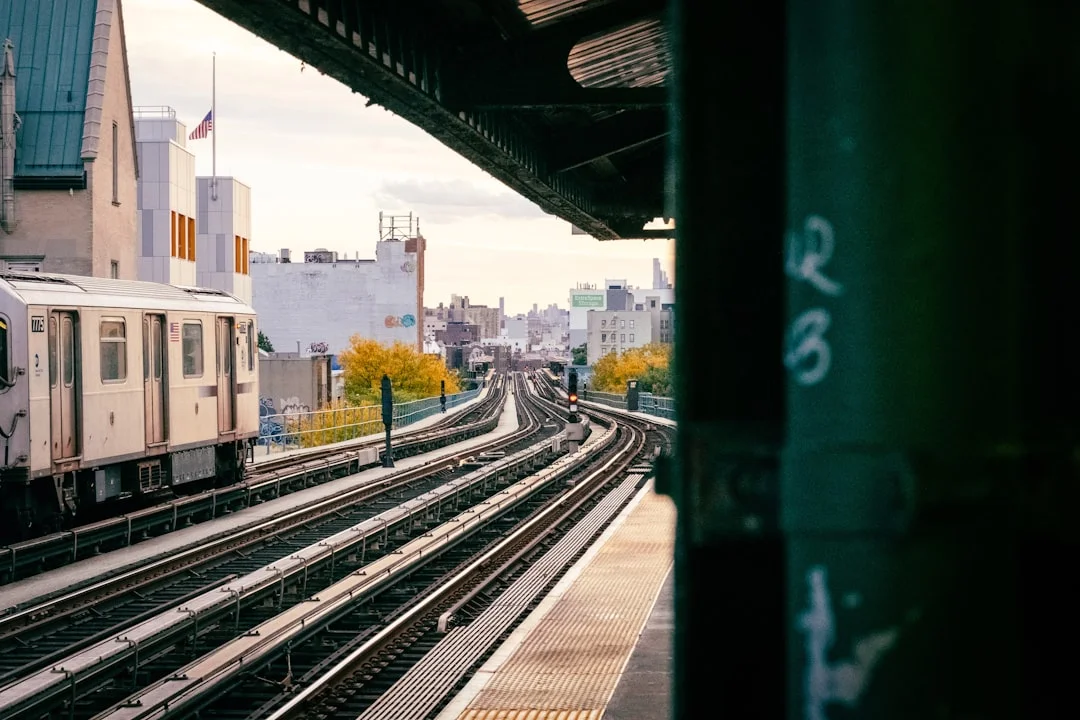
Photo by Shehan Rodrigo on Unsplash
The Bronx’s revival narrative in recent years has emphasized job creation, small-business support, and the expansion of cultural and educational spaces as levers for economic momentum. Bronx Point’s development plan, for instance, highlights “thousands of jobs” and public investments in infrastructure, with the Hip Hop Museum positioned as a signature cultural anchor poised to draw visitors and residents to the Lower Concourse. While the precise, publishable job counts vary across project phases, the scale of the Bronx Point initiative—together with the underlying DRI framework and the White Plains Road/South of Prospect plans—points to a multi-billion dollar wave of investment in the coming decade. The intersection of housing, retail, and cultural facilities creates a matrix effect: more residents with stable housing plus more venues and programs yields greater foot traffic for local businesses and broader audience reach for artists. The city’s documentation of the ongoing DRI activity and the Bronx Civic Center’s history as a recipient of a $10 million award further illustrate the regulatory and funding scaffolding that supports this growth path. (edc.nyc)
Cultural equity, access, and inclusive placemaking
A core through-line of the Bronx cultural corridor 2026 concept is advancing equity through culturally inclusive programming and physically accessible spaces. The White Plains Road neighborhood plan documents emphasize “equitable growth,” affordable housing, and investments that reflect community priorities. Community engagement, co-designed zoning concepts, and the expansion of public spaces along transit corridors are consistent with inclusive placemaking principles that aim to ensure long-time residents share in the benefits of development. The South of Prospect Plan explicitly calls for permanent affordable housing and a more transit-oriented mix of uses, with public engagement playing a central role in shaping proposals. The emphasis on public art, libraries, museums, and education facilities in development plans reinforces a strategy to diversify cultural access and broaden audience reach beyond traditional venues. The MTA Music program expansion also contributes to equity by embedding cultural experiences in everyday transit environments, making culture accessible to riders who might not otherwise seek out formal cultural venues. (nyc.gov)
Transportation, planning, and the regional vision
The Bronx culture corridor concept is not just about venues; it’s about aligning culture with transportation planning at a city scale. The Interborough Express readiness embedded in the White Plains Road and South of Prospect plans demonstrates an integrated, multi-agency approach to growth. The Triboro Corridor concept—though a longer-range, cross-borough planning idea—highlights a shared vision of turning freight rails into passenger rails and weaving greenways into urban fabric, a mindset that informs current planning in the Bronx corridor. While Triboro remains a planning concept rather than a current-built project, it reflects a philosophy of reimagining existing infrastructure to support mobility, health, and economic vitality. In practical terms, the corridor plans recognize that better transit access can expand the geographic reach of cultural audiences, enable more affordable housing near venues, and encourage artists and small businesses to locate in neighborhoods that are easier for patrons to reach. (aiany.org)
Community voices and local stewardship
community-led processes, as described in the White Plains Road and South of Prospect engagements, are central to building legitimacy for the Bronx cultural corridor 2026. City Planning’s engagement strategy is designed to ensure residents’ priorities—housing affordability, safe streets, and vibrant public spaces—are reflected in the corridor’s eventual zoning and investment decisions. The cultural ecosystems already present in Hunts Point and surrounding neighborhoods, including The POINT CDC and Casita Maria, provide organic anchors around which public investment could coalesce. The goal is not simply to add venues but to create an ecosystem in which venues, residents, schools, and local businesses reinforce one another, creating a more stable, sustainable cultural economy in the Bronx. The ongoing SBCF programming and Casita Maria’s partnerships underscore how local organizations can translate planning ambitions into tangible events that demonstrate what a successful corridor can look like in practice. (nyc.gov)
Section 3: What’s Next
Short-term milestones (2026–2027)
- June 2026: White Plains Road Corridor will begin a community walkshop series and release a zoning concept map, followed by additional engagement sessions as planners refine proposals. This marks the transition from public input to concrete policy recommendations. (nyc.gov)
- Late 2026 to 2027: South of Prospect Plan will publish its own zoning concept map and begin formal environmental and community reviews in preparation for IBX-related alignment. Early online surveys will feed into concept development, with public events designed to gather input from Hunts Point, Longwood, and adjacent communities. (nyc.gov)
- 2026: Bronx Point continues its development trajectory, signaling a new era of waterfront access, open space, and cultural venues, including the Hip Hop Museum. The project’s ongoing construction and community engagement will inform how similar cultural anchors could be replicated along the Bronx cultural corridor 2026. (edc.nyc)
- 2026–2027: MTA Music expands across the Bronx as part of the broader Stations Series, bringing performances to Parkchester/161st stations and other transit hubs. With a stated 8,500 annual performances system-wide, the Bronx can expect further schedule expansion, partnerships with local cultural groups, and more frequent performances near major venues and transit points. (timeout.com)
Longer-term horizon and outcomes to watch
- Interborough Express alignment and corridor-specific zoning actions: The planning documents consistently flag IBX readiness as a driver for corridor investments. If IBX alignment accelerates, expect earlier groundbreakings for housing and cultural facilities along the White Plains Road and South of Prospect corridors, as well as increased private-sector interest in transit-adjacent development. (nyc.gov)
- Uptick in cultural venues and anchor institutions: Bronx Point’s Hip Hop Museum and other cultural facilities could spur new cultural anchors along the corridor, drawing more visitors and supporting ancillary businesses such as food halls, galleries, and educational programs. The Bronx Point project’s public space upgrades and education facilities illustrate the scale and mix of uses a successful corridor could attract. (edc.nyc)
- Equity and affordability outcomes: As housing, investment, and cultural programming expand, attention will turn to whether benefits reach long-time residents and small businesses. The White Plains Road and South of Prospect plans explicitly foreground affordable housing and community investments, signaling that outcome tracking will be a core feature of any public reporting on Bronx cultural corridor 2026. (nyc.gov)
Closing
The Bronx cultural corridor 2026 represents a moment when transit, culture, and housing policy move toward a more integrated future for the borough. By advancing neighborhood plans along White Plains Road and the South of Prospect corridors, and by anchoring growth with cultural institutions like Bronx Point and broader transit-linked programming, city and local partners are testing a model in which culture acts as an economic and social multiplier. The coming year will be telling: how many housing units are added, what new venues open, how transit improvements unfold, and how communities perceive the benefits of plan-driven development. For readers in Manhattan and beyond, the message is clear: the Bronx is positioning itself as a dynamic hub where culture and mobility intersect, and the outcomes of Bronx cultural corridor 2026 will likely shape cross-borough travel, cultural participation, and economic vitality for years to come. As officials, developers, and community organizations continue to publish and refine their plans, observers should watch for the cadence of public engagement, the pace of zoning shifts, and the emergence of cultural anchors that can draw people not only to venues but to the neighborhoods that make up the corridor. The next twelve to eighteen months will reveal how far the corridor’s data-driven, transit-focused approach can translate into measurable improvements in affordability, access, and opportunity for Bronx residents and citywide visitors alike. (nyc.gov)
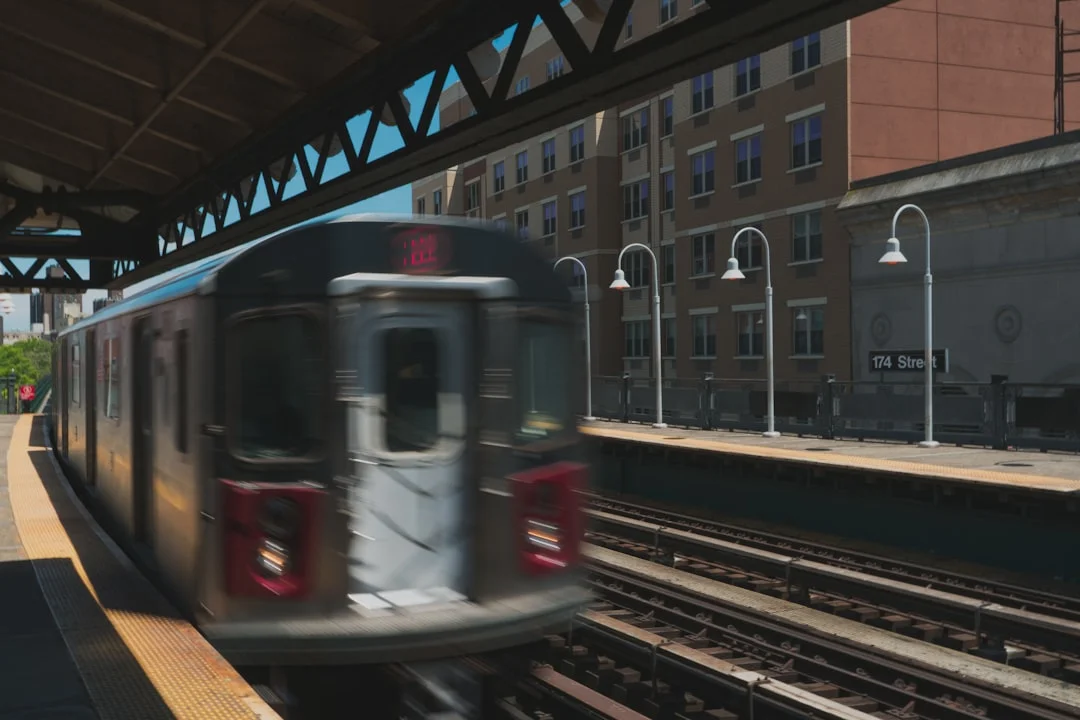
Photo by Ronny Coste on Unsplash