Broadway Revival and Manhattan Real Estate 2026

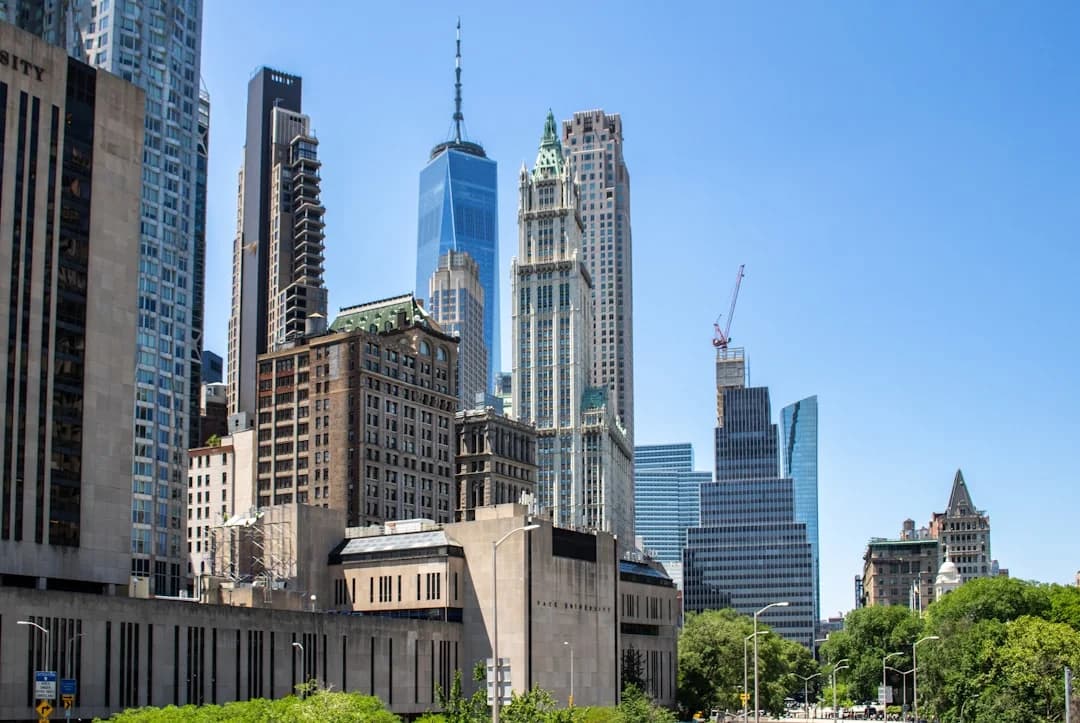
Photo by Zoshua Colah on Unsplash
New York City is poised at a crossroads of culture and capital as 2026 unfolds. In a signal of renewed confidence for both the stage and Midtown, Roundabout Theatre Company announced a Broadway revival of The Rocky Horror Show that will bring audience-driven pop culture energy back to Studio 54, with previews slated for March 26, 2026 and opening night set for March 26, 2026?—no, late March. The production, directed by Sam Pinkleton and starring Luke Evans, marks a high-profile return to Broadway for a cult classic and underscores a broader revival wave across the market. The news arrived amid a slate of other high-profile reimaginings, including a Broadway revival of Chess at the Imperial Theatre, a long-running favorite that is shaping a busy spring for theatergoers and a focal point for local hospitality, transit, and retail dynamics. The Rocky Horror Show at Studio 54 and Chess at the Imperial Theatre anchor what insiders are calling a “revival season” that could influence ticketing, tourism, and adjacent real estate activity across Manhattan. (broadwaydirect.com)
Beyond the immediate theater calendar, the announcements arrive as data-driven signals about Manhattan’s real estate climate in 2026. Industry researchers and analysts have documented a continuing recalibration after the post-pandemic peaks, with luxury transactions maintaining a robust presence and overall activity showing a more selective, finance-driven pace. The industry’s most-watched data series—Douglas Elliman’s Elliman Report produced by Miller Samuel—shows that in 2025, cash purchases remained a defining feature of the top end of the market, even as price momentum cooled in some segments. The January 2026 data release highlights a pullback in new signed contracts in Manhattan, underscoring a market transitioning from pandemic-era stimulus to interest-rate normalization and macroeconomic recalibration. Taken together, the Broadway revival and Manhattan real estate 2026 narrative points to a more measured, cash-enabled luxury demand alongside a cultural ecosystem that could sustain higher-end pricing and attract global capital. (vi.web-platforms-vi.nyti.nyt.net)
Section 1: What Happened
Broadway Revival Announcements
The Rocky Horror Show returns to Studio 54
Roundabout Theatre Company announced a Broadway revival of Richard O’Brien’s The Rocky Horror Show for the 2025-2026 Broadway season, with previews beginning March 26, 2026 and opening night on April 23, 2026 at Studio 54. The production will star Luke Evans as Frank-N-Furter, a casting decision that has drawn national media attention and social-media buzz, signaling a commitment to bold, contemporary presentation of a classic cult favorite. The casting, venue, and timing place Rocky Horror at the intersection of nostalgia and modern stagecraft, a strategic move for Roundabout as audiences seek familiar anchors in a refreshed lineup. The show’s Playbill page confirms the Broadway return and previews timeline, underscoring its role in the season’s revival narrative. (broadwaydirect.com)
Chess revival lands at the Imperial Theatre
In parallel, Broadway’s Chess revival secured a home at the Imperial Theatre, with a multi-month engagement that aligns with a broader spring revival push. The production features Aaron Tveit and Lea Michele among its principal cast and is scheduled to run through March 15, 2026, according to Playbill and theater listings. The revival’s return to Broadway marks a notable moment for audiences who remember the show’s mid-1980s legacy while introducing a refreshed, contemporary staging. The official Imperial Theatre channel confirms the engagement and the run window, framing Chess as a centerpiece in the 2025-2026 Broadway slate. (playbill.com)
Additional revival activity and context
Beyond these two headline revivals, industry outlets report broader activity in the 2025-2026 season, including further announcements from Roundabout Theatre Company about additional titles such as Fallen Angels and related programming that will shape Broadway’s revival cadence in 2026. The combination of high-profile revivals and new interpretations of familiar works signals a winter-to-spring period rich with options for theatergoers and a lift for adjacent Manhattan districts that host tourism, dining, and hotel activity. (broadwaynews.com)
Specific Dates and Venues
Rocky Horror Show: previews to opening night

The Rocky Horror Show’s Broadway engagement is scheduled to begin previews on March 26, 2026, with an opening night on April 23, 2026, at Studio 54 on Broadway. This schedule has been reported by multiple trade outlets and confirmed by Show-specific pages, which also highlight Luke Evans in the lead role. Studio 54 remains a high-visibility venue choice, combining historic prestige with a modern, immersive staging approach that aligns with Roundabout’s artist-driven programming. (broadwaydirect.com)
Chess revival: Imperial Theatre run through May 2026
Chess returns to Broadway at the Imperial Theatre, with a run through early 2026 and performances running through March 15, 2026, schedules and cast details circulating across Broadway press and ticketing platforms. The Imperial Theatre site and Broadway-focused outlets provide the run window and cast lines, establishing Chess as a mid-season anchor for theater fans and a potential driver of foot traffic to nearby Midtown amenities. (imperialtheatreny.com)
Related Broadway Revivals and Off-Broadway Moves
In addition to Rocky Horror and Chess, industry news outlets report that the 2025-2026 season includes broader revival activity and new takes on classic titles, with planned openings and previews that collectively broaden Broadway’s appeal while maintaining a high standard of artistic ambition. These moves—some announced by Roundabout and others by partner producers—are part of a broader strategy to restore productivity, attract younger and more diverse audiences, and stabilize Broadway’s economic model after a volatile pandemic period. (broadwaynews.com)
Section 2: Why It Matters
Cultural and Economic Momentum for Midtown
Broadway revivals have long functioned as a major cultural and economic engine for Manhattan, drawing visitors from across the United States and around the world, supporting hotel demand, restaurant meals, transit usage, and retail foot traffic in adjacent districts. The 2026 revival slate, anchored by Rocky Horror and Chess, signals sustained consumer interest in live performance as a core urban experience. This is especially relevant in an era where remote work has reshaped work-life patterns, but in-city experiences remain a differentiator for Manhattan’s competitiveness. The role of these productions in attracting audiences—particularly at Studio 54 and the Imperial Theatre—will ripple through related sectors and contribute to occupancy and pricing dynamics in the surrounding neighborhoods. (broadwaydirect.com)

Real Estate Market Signals for 2026
Manhattan real estate entered 2026 amid a recalibrated dynamic after the aggressive post-pandemic surge. Elliman/Miller Samuel data indicate that high-end sales and cash-driven activity persisted in 2025, even as overall market momentum moderated. This trend is consistent with a broader macro backdrop in which mortgage rates, inflation, and international capital flows shape buyers’ willingness to transact. January 2026 new signed contracts data show a year-over-year decline in activity across Manhattan, underscoring a shift from the previous boom to a more careful, value-oriented market stance. Yet even within a softer overall market, luxury segments have remained resilient, supported by strong balance sheets among top-tier buyers and a continued appetite for trophy properties in prime neighborhoods. These data points help explain how a robust cultural calendar can stabilize ancillary demand for real estate, particularly in markets with finite supply and global interest. (elliman.com)
Buyer Demographics and Financing Trends
Analysts note that the carnage of rising interest rates in the early 2020s has given way to a more nuanced financing environment in 2025–2026. While higher rates persisted into late 2024, a broad softening in rates toward 2025–2026 contributed to a rebound in mortgage availability for certain buyers, especially in the luxury segment, where all-cash purchases remain a common feature of high-end deals. Market watchers also point to a renewed interest from international buyers who benefited from a weaker dollar at times in 2025–2026, adding a tailwind to New York City real estate demand. The combination of a stabilized but selective market, strong urban amenities, and marquee theatrical events could accelerate price discovery and sustain liquidity in the top-tier condo and co-op markets. (howardhannanyc.com)

The Real Estate Ecosystem: Office, Retail, and Residential Interplay
Manhattan’s real estate ecosystem is increasingly characterized by cross-currents: a recovering office market, ongoing adaptive reuse projects, and a resilient residential demand core in luxury neighborhoods. Colliers’ January 2026 snapshot highlights ongoing demand in the office sector with vacancy tightening and rents rising, a counterpoint to residential markets that are more sensitive to mortgage rates and financing conditions. The interplay among office leasing momentum, retail leasing health, and luxury residential purchasing will shape how neighborhoods around Broadway’s theater districts perform in 2026. In practical terms, developers and investors will weigh the potential for mixed-use projects that leverage proximity to world-class theater with the ability to attract premium tenants and buyers. (colliers.com)
Potential Market Recalibration: Risks and Opportunities
Analysts caution that while the 2026 climate could be supportive of high-end real estate activity, the landscape remains subject to macroeconomic headwinds, including currency shifts, inflation trends, and potential policy changes that could influence property taxes, capital flows, and mortgage availability. The Real Deal’s reporting on Jonathan Miller’s departure from Douglas Elliman signals a shift in how data—once tightly tied to a single brokerage—will be packaged and delivered to the market, with investors watching closely for a new data framework or alternative dashboards that maintain transparency and comparability across the New York City market. For readers of Broadway revival and Manhattan real estate 2026 coverage, these developments underscore the importance of data-driven analysis and the value of staying informed about both stage and street-level indicators. (therealdeal.com)
Section 3: What’s Next
Key Milestones to Watch in Spring 2026
Rocky Horror Show previews and opening night
As Rocky Horror’s previews commence in late March 2026, observers will monitor ticket demand, pricing dynamics, and audience reception as early indicators of the revival’s commercial prospects. The show’s official rollout will offer a barometer for how a high-energy, contemporary staging of a cult classic translates to Broadway’s current audience mix and social media footprint. The opening night on April 23, 2026, will be a focal point for critics and industry insiders, with potential downstream effects on marketing strategies and ancillary revenue (merchandising, immersive experiences, and pop-up events nearby). (broadwaydirect.com)
Chess revival: run through March 2026
Chess’s Broadway return at the Imperial Theatre continues through March 15, 2026, providing an extended engagement that can catalyze cross-promotional opportunities for nearby venues, restaurants, and hotels. The presence of a star-led cast and a marquee title in a mid-season slot may help stabilize attendance patterns during a period when ticket-buying behaviors can be sensitive to broader economic tides. Industry outlets tracking Chess note a strong critical reception in early reviews and a view toward continued performance until the scheduled finale date. (playbill.com)
Longer-Term Outlook Through 2026
Looking beyond spring 2026, the Broadway revival calendar is expected to unfold with additional titles and updated production plans that reflect evolving audience tastes and production budgets. Coverage from Playbill and Broadway-focused outlets indicates a continuing appetite for both new works and reimagined classics, with the potential for additional high-profile transfers or limited runs that capitalize on a post-pandemic appetite for in-person cultural experiences. On the Manhattan real estate side, analysts forecast a cautious but positive trajectory for luxury segments, with cash-rich buyers sustaining activity even as the broader market absorbs rate normalization. Investors and lenders will likely monitor 2026 performance across sectors—residential, office, and retail—alongside cultural indicators such as theater attendance, tour and hotel occupancy, and nearby retail demand to gauge how the city’s dynamic urban ecosystem will fare in the year ahead. (elliman.com)
Closing
As Broadway revivals move from announcement to performance, and as Manhattan real estate digests 2025’s lessons with 2026’s new data, readers should expect a year defined by careful planning, selective demand, and a resilient commitment to in-city experiences. The convergence of a robust theater calendar and a real estate market gradually returning to balance could reinforce New York City’s status as a global stage and a global capital for real estate. For those tracking Broadway revival and Manhattan real estate 2026, the coming months will reveal how much cultural momentum translates into tangible economic activity and how the city’s iconic neighborhoods adapt to a new mix of residents, visitors, and investors.
To stay updated, follow official theater announcements from Roundabout Theatre Company, the Imperial Theatre, and Playbill, and monitor Elliman/Miller Samuel market reports for the latest quarterly data and the ongoing evolution of Broadway’s influence on Manhattan real estate dynamics. (broadwaydirect.com)