Broadway openings and NYC arts scene 2026
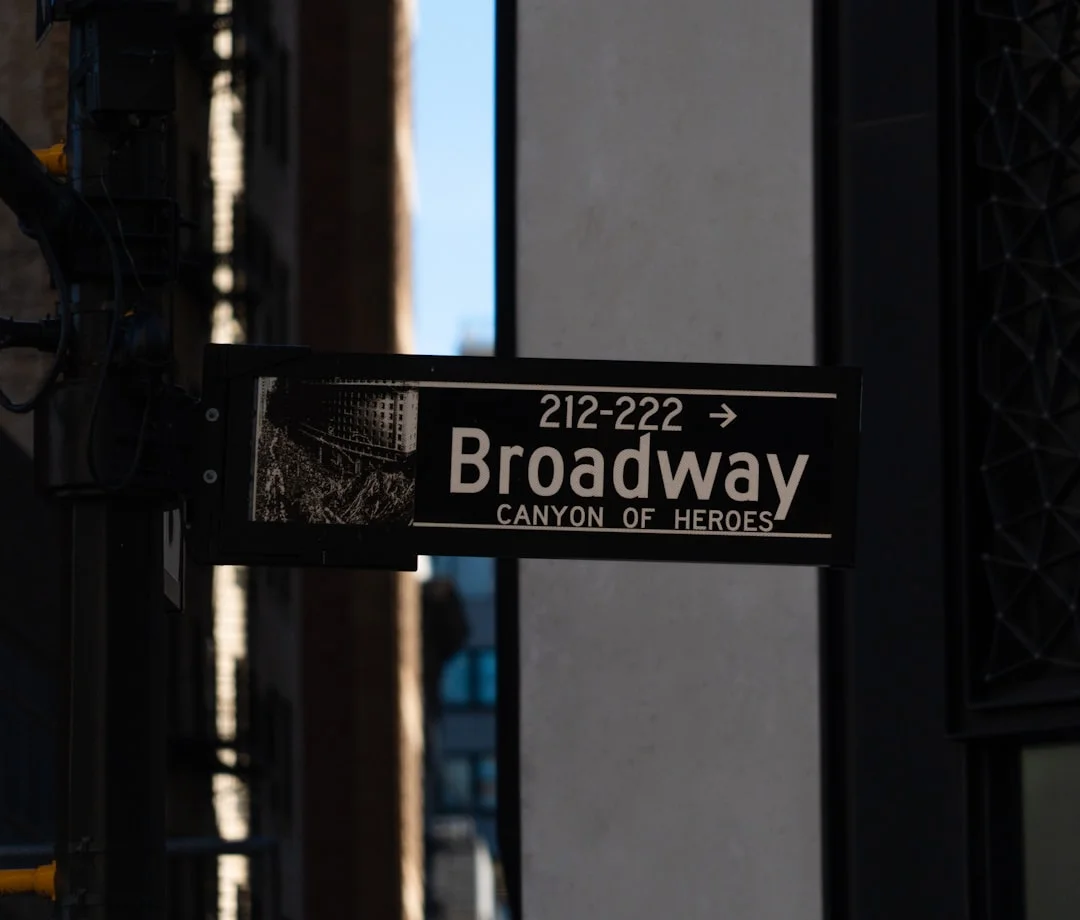
Photo by Thierry Biland on Unsplash
Manhattan Monday is tracking a pivotal moment for New York City as Broadway launches a robust 2026 season while the city’s arts ecosystem expands with major exhibitions, new venues, and marquee events. The combined force of Broadway openings and NYC arts scene 2026 is reshaping visitor flows, neighborhood economies, and cultural planning across Manhattan and beyond. With more than a dozen Broadway productions launching or moving into previews in early 2026, and flagship art events set to redefine the city’s cultural calendar, the year promises both immediacy and breadth in public engagement. This analysis provides a data-driven snapshot of what happened, why it matters, and what to expect next, grounded in current schedules, official announcements, and credible industry reporting. Broadway openings and NYC arts scene 2026 are not just about theater and galleries in isolation; they reflect a broader pattern of renewed citywide participation in live culture, driven by demand, venue development, and the evolving economics of arts production. (broadway.com)
Across Broadway, the 2026 season is already materializing as a crowded slate of premieres, revivals, and adaptations that span drama, comedy, and musical theater. Industry trackers have cataloged more than a dozen Broadway productions slated to begin in 2026, with a steady cadence from winter into spring. Analysts emphasize that this is not merely a parade of titles; it’s a signal of renewed investor confidence, audience appetite, and the ability of New York’s commercial theater ecosystem to sustain high-cost productions amid evolving consumer preferences. The official reporting from Broadway-focused outlets confirms opening and preview timelines for multiple titles, including high-profile debuts and revivals that will shape ticket demand and press coverage through the spring. For readers watching the city’s cultural economy, this period is a bellwether for both short-term box office and longer-term audience development strategies. (newyorktheatreguide.com)
Section 1: What Happened
Broadway openings slate and key timelines
The 2026 Broadway calendar is anchored by a blend of new plays, revivals, and adventurous musical concepts, with opening dates clustered from February through April and continuing into late spring. Several titles illustrate the mix of familiar names and fresh voices that define the season.
-
Every Brilliant Thing. This Daniel Radcliffe-led Broadway debut was positioned to enter previews in early 2026, with a formal opening in March 2026 and a targeted closing later in May. The Broadway guide ecosystem lists the production as opening in March 2026, with previews having already commenced in February on some reporting, and notes a closing window in late May. Broadly, the production is part of the wave of mid-season openings that balance newer writer-propelled work with star-driven performances. Previews and opening dates are cross-referenced across major aggregators, including Broadway.com and New York Theatre Guide. (broadway.com)
-
Death of a Salesman (revival). A marquee revival features Nathan Lane and Laurie Metcalf, with previews beginning in March 2026 and the official opening in early April. The production is one of the most highly anticipated revivals, reflecting ongoing interest in Arthur Miller’s classic as interpreted by contemporary performers. The Broadway.com listing confirms previews beginning March 6 and opens April 9, with a run through mid-June. This combination of classic text with modern performers underscores the season’s dual emphasis on fidelity to tradition and contemporary star power. (broadway.com)
-
Dog Day Afternoon. The stage adaptation of the Al Pacino film marks a high-profile early-2026 entry, featuring The Bear’s Jon Bernthal and Ebon Moss-Bachrach. Previews are noted to start March 10, with an official opening on March 30 and a run through July. This title illustrates the season’s appetite for “screen-to-stage” adaptations that translate cinematic narratives into live experience. (broadway.com)
-
Giant. John Lithgow returns to Broadway in a high-profile dramatization of a controversial Roald Dahl article’s aftermath. Previews begin March 11, opening March 23, and the production’s run extends through late June. This is emblematic of the season’s strength in drawing top-tier talent to new dramatic interpretations. (broadway.com)
-
Cats: The Jellicle Ball. A bold reimagining of a beloved property, this Broadway musical opens with previews around March 18 and a formal opening in early April, continuing the tradition of staging landmark properties with contemporary reframe. The NYT/Broadway coverage and trade outlets alike highlight this title as a centerpiece in the early-spring lineup. (newyorktheatreguide.com)
-
Becky Shaw. A sharp-edged contemporary play, previews begin around March 18 with an opening in early April, continuing through June. The production exemplifies the season’s balance of new writing and recognizable names driving critical conversation in the Broadway ecosystem. (newyorktheatreguide.com)
-
The Rocky Horror Show. The longstanding cult title returns to Broadway with performances beginning March 26 and an opening in late April, continuing into the summer. Its presence illustrates the season’s willingness to blend cult classics with new voices in a city where cult-favorite revivals frequently resonate with diverse audiences. (newyorktheatreguide.com)
-
The Fear of 13. Adrien Brody and Tessa Thompson headline this Lindsey Ferrentino drama in Broadway’s spring slate, with previews beginning March 19 and opening in mid-April, extending into the summer. This title signals the season’s appetite for high-stakes, character-driven storytelling with star power attached. (newyorktheatreguide.com)
-
Titanique. A Titanic-inspired jukebox musical that has become a staple of the Broadway diet, Titanique begins previews around March 26 with an April 12 opening and a continuing schedule into April; the run includes the musical’s penchant for big-scale production values and crowd-pleasing songbooks. (newyorktheatreguide.com)
-
Beaches and The Lost Boys, The Balusters, Schmigadoon!. Several other titles populate the late-March to April window, illustrating a broad and diverse lineup—from modern takes on classic stories to fresh adaptations and premieres. The Broadway.com overview provides a concise synthesis of these calendars, including Schmigadoon!’s April 20 opening and Schmigadoon!’s cross-media lineage from TV to stage. (broadway.com)
-
Schmigadoon! and other late-opening titles. The schedule shows Schmigadoon! previews begin April 4 and opens April 20, with a run through September 2026, embracing the season’s blend of high-energy, family-friendly musicals with more serious dramatic work. The Broadway.com guide catalogs Schmigadoon! among the season’s leading offerings and notes its run into the fall. (broadway.com)
-
Galileo and other late-year entries. The calendar continues to evolve into the late 2026 window, with shows like Galileo listed as upcoming, reflecting ongoing commissioning, casting, and scheduling shifts common to a dynamic Broadway cycle. The Broadway guide and trade press maintain ongoing updates as shows are announced and began previews. (broadway.com)
In short, the 2026 Broadway openings and NYC arts scene 2026 landscape is characterized by a heavy emphasis on audacious, high-profile productions in the spring, with marquee name talent, cinematic adaptations, and bold new plays driving visibility and demand. This pattern aligns with broader industry reporting and theatrical calendar planning observed across major outlets. (broadway.com)
Notable arts and culture events shaping NYC’s scene in 2026
Beyond Broadway, New York City’s art world is staging a complementary calendar of events that elevate the city’s status as a global cultural hub. Whitney Biennial 2026, one of the city’s defining contemporary art events, runs from March 8 through August 23, 2026, with member previews February 28–March 7 and a leading edge program in March. The Whitney Museum’s official page confirms opening on March 8 and the extended run through late summer, with curator-driven programming and accompanying events that heighten cross-venue traffic and public engagement. This Biennial’s presence in 2026 adds depth to the city’s art agenda alongside theater’s robust spring slate. “Whitney Biennial 2026” is positioned as a major cross-disciplinary event that will attract domestic and international visitors and provide a counterpoint to Broadway openings in the same season. ”Opens Mar 8” and “Mar 4–7 previews” are the museum’s explicit signals for audiences. (whitney.org)
-
The Met’s spring exhibition and new galleries. The Met announced its Costume Institute’s spring 2026 show, Costume Art, which opens to the public May 10, 2026, in the newly opened Conde M. Nast Galleries adjacent to the Great Hall. The press release from The Met confirms the show’s framing around the centrality of the dressed body in art and fashion and notes the new 12,000-square-foot space for the Costume Institute. The exhibit coincides with a high-profile Met Gala in early May, a major driver of public attention and a magnet for press coverage. (metmuseum.org)
-
The Met Gala 2026 and fashion-as-art storytelling. Reporting from major outlets confirms the Met Gala’s May 4 date and ties to Costume Art, underscoring how fashion and art intersect as a public-facing cultural event. The Met’s new gallery space is designed to scale up the institute’s programming, with broader visitor access and a more integrated presentation of fashion within the museum’s broader art history narrative. (vogue.com)
-
The Wang Contemporary opens in Chinatown. Vogue illuminated the opening of The Wang Contemporary as a new arts and culture institution in Chinatown, signaling growth in NYC’s cultural ecosystem beyond the traditional midtown theater districts. The launch welcomes a new cultural venue that may become a focal point for cross-disciplinary programming, including music, performance, and visual art. This adds a neighborhood-level dimension to NYC’s arts scene in 2026. (vogue.com)
-
Additional exhibitions and venues in 2026. Art calendar outlets and industry press outlined a broad slate of exhibitions and gallery openings across Manhattan—from Noguchi-related shows to major retrospectives—highlighting the city’s multi-venue approach to culture in 2026. Christie’s has highlighted several top NYC exhibitions that year, underscoring the breadth and scale of museum and gallery activity across New York. (christies.com)
These developments collectively suggest that 2026 is not merely a single-season push for Broadway but part of a broader, citywide cultural program. The Whitney Biennial provides a complementary lens to the Broadway openings, offering social and aesthetic context for the era’s creative experimentation and audience development. The Met’s expansion of galleries and the Met Gala’s public-facing energy reinforce New York’s status as a global hub where fashion, design, and fine arts intersect with live performance. The Wang Contemporary’s debut adds a geographic diversification of arts access, potentially spreading cultural footfall to new neighborhoods. Taken together, these movements suggest a city positioned to attract visitors year-round, with cross-pollination between theater, visual arts, and fashion as a defining feature of NYC’s 2026 arts landscape. (whitney.org)
Section 2: Why It Matters
Economic and tourism implications for NYC
The scale of Broadway’s current openings and the breadth of the city’s art calendar in 2026 carry tangible economic and social implications. The Broadway industry remains a pillar of New York City’s cultural economy, with end-of-season data for recent years showing admissions in the tens of millions and grosses in the billions, reflecting a robust consumer market for live performance. The Broadway League’s 2023–2024 end-of-season statistics show 12.3 million attendances and $1.54 billion in grosses across 71 productions, including 39 new productions and 32 continuing ones. These numbers illustrate the scale of Broadway’s pull and its contribution to hotel occupancy, dining, and local services in seasonal peaks. While the exact 2024–2025 season’s totals move with economic cycles, the trend line remains upward compared to earlier post-pandemic lows, reinforcing the leverage of new openings to drive nighttime economy and employment. (broadwayleague.com)
In parallel, NYC’s broader arts economy—museums, galleries, and major cultural events—continues to draw visitors and sustain jobs. The city’s tourism ecosystem generated a substantial economic impact in 2023, with hundreds of thousands of jobs tied to cultural activities and a large share of visitors citing arts and culture as a key motivation for travel. A 2023 NYC tourism fact sheet highlighted the arts and culture sector as a driver of employment and activity, alongside rising hotel development and midtown/arts-district foot traffic. While 2024–2025 numbers show some fluctuation as the city navigates broader macroeconomic shifts, the underlying pattern—arts-driven visitation, multi-venue engagement, and sustained demand for live experiences—remains a central pillar of the city’s economic planning. (business.nyctourism.com)
The 2026 calendar’s emphasis on flagship institutional events (Whitney Biennial, Met Costume Art, Met Gala) plus Broadway’s robust slate creates cross-venue synergies. When large audiences converge on a city—whether for a Broadway opening or a major museum show—the impact is multiplicative: transit demand grows, local dining and hospitality see higher occupancy, and revenue cycles become more predictable for neighborhoods across Manhattan. The Biennial, with its focus on contemporary practice, complements Broadway’s narrative-driven offerings by expanding the city’s appeal to a different subset of cultural visitors. Together, these dynamics also influence neighborhood-level investments and rental markets as arts districts seek to maintain capacity for tours, private events, and gallery openings. (whitney.org)
Audience composition and behavior are also guiding future planning. Recent Broadway audience research shows a continued diversification of the profile of theatergoers, including geographic reach and demographics. The Broadway League’s 2023–2024 demographics report reveals shifts in audience origins and attendance patterns, signaling opportunities to expand reach through targeted programming, accessibility initiatives, and tiered pricing to broaden appeal. For policymakers and cultural institutions, this suggests that 2026 could be a year in which inclusive access and audience development become central to strategy—an essential consideration for a city that depends on a broad cross-section of residents and visitors for cultural vitality. (broadwaynews.com)
Cultural momentum and profiling New York as a global arts destination
The convergence of Broadway comprehensives and major art exhibitions reinforces NYC’s role as a global stage for both performing and visual arts. The Met’s Costume Art show, the Whitney Biennial, and the Wang Contemporary’s opening collectively expand the city’s cultural portfolio beyond Broadway’s well-resourced production machinery, delivering a multi-venue experience that appeals to both locals and international tourists. This diversification matters for cross-pollination of audiences and the city’s long-term cultural brand. The Met’s investment in new galleries and the Biennial’s extension of contemporary discourse further anchor NYC as a hub for both tradition and experimentation. In this context, 2026 can be viewed as a turning point where the city demonstrates resilience, scale, and a broad ecosystem capable of sustaining high-impact cultural events year after year. (metmuseum.org)
Section 3: What’s Next
What to watch for in the coming months
-
The Broadway calendar remains active through spring and into summer, with additional openings and schedule updates likely as productions firm up casting and design, particularly for late-spring and summer titles. The Broadway.com compilation, dated February 23, 2026, lays out the core openings through April and into May, with follow-on productions and continuing performances expected to be announced as the season unfolds. Observers should monitor official show pages and trade outlets for rescheduled previews, added performances, and any cross-circuit transfer news. (broadway.com)
-
Whitney Biennial 2026 will run from March 8 to August 23, with previews and member events in early March. The Biennial’s impact on museum attendance and public programming will be a key indicator of cross-venue traffic patterns and urban cultural engagement through the summer. The Whitney has also highlighted a programmatic slate that emphasizes relationality and technology’s role in contemporary practice, signaling a data-rich, audience-driven approach to exhibition planning. (whitney.org)
-
Costume Art at The Met opens its new Galleries and runs May 10, 2026, through January 10, 2027. This marks a milestone in the museum’s infrastructure expansion and sets the stage for a continuous stream of public programs tied to fashion as art. The Met’s leadership underscores the show’s cross-disciplinary appeal and its potential to drive extended visitation across shoulder seasons. The Met Gala on May 4, 2026, remains a fixed anchor for press coverage and public interest, with the May 10 public opening aligning with peak spring attendance in NYC’s cultural calendar. (metmuseum.org)
-
The Wang Contemporary’s Chinatown opening further enriches the city’s arts geography, offering a new venue for performance, visual art, and cross-arts collaborations. Expect program announcements in 2026 that integrate local artists with visiting curators and international guests, potentially creating new weekend activity clusters in Lower Manhattan. (vogue.com)
-
Other major exhibitions and institution-led programs are expected to surface during 2026, as Christie’s and other curatorial platforms continue to highlight New York’s position as a premier exhibition city. Readers should anticipate a broader public-facing calendar that blends traditional museum retrospectives with newer media presentations and site-specific installations. (christies.com)
Predicting the trajectory for 2026, the city’s cultural sector appears positioned to sustain momentum through the spring and into the summer, with cross-venue synergies likely to boost attendance and extend the season’s economic benefits. For readers and stakeholders, the next steps involve monitoring official channels for each show or exhibit, booking tickets early for high-demand openings, and watching how attendance trends evolve as more data become available from The Broadway League, The Whitney Museum, and The Met. This is especially relevant for venue operators, neighborhood planners, and cultural marketers who rely on predictable audience demand to calibrate programming calendars and capital investments. (broadwayleague.com)
Closing
As Broadway openings and NYC arts scene 2026 diverge into week-by-week realities, Manhattan remains a dynamic laboratory for urban culture. The coming months will test the city’s ability to balance marquee entertainment with broader access to the arts, a balance that is increasingly central to how residents and visitors experience New York. For readers seeking the latest developments, Manhattan Monday will continue to monitor new openings, exhibition announcements, and related industry analyses, offering timely, data-driven updates on what these cultural movements mean for the city’s economy, neighborhoods, and daily life.
To stay updated, subscribe to Manhattan Monday’s arts and culture briefing, follow official show pages and museum calendars, and watch for cross-venue collaborations that may amplify attendance and engagement across Broadway and NYC’s broader arts scene in 2026. As the city’s calendars grow fuller, the story of Broadway openings and NYC arts scene 2026 will continue to unfold with new performances, exhibitions, and partnerships that reflect the enduring appeal of New York as a living, evolving cultural capital. (broadway.com)