Broadway and NYC arts 2026 trend: Data-Driven Update
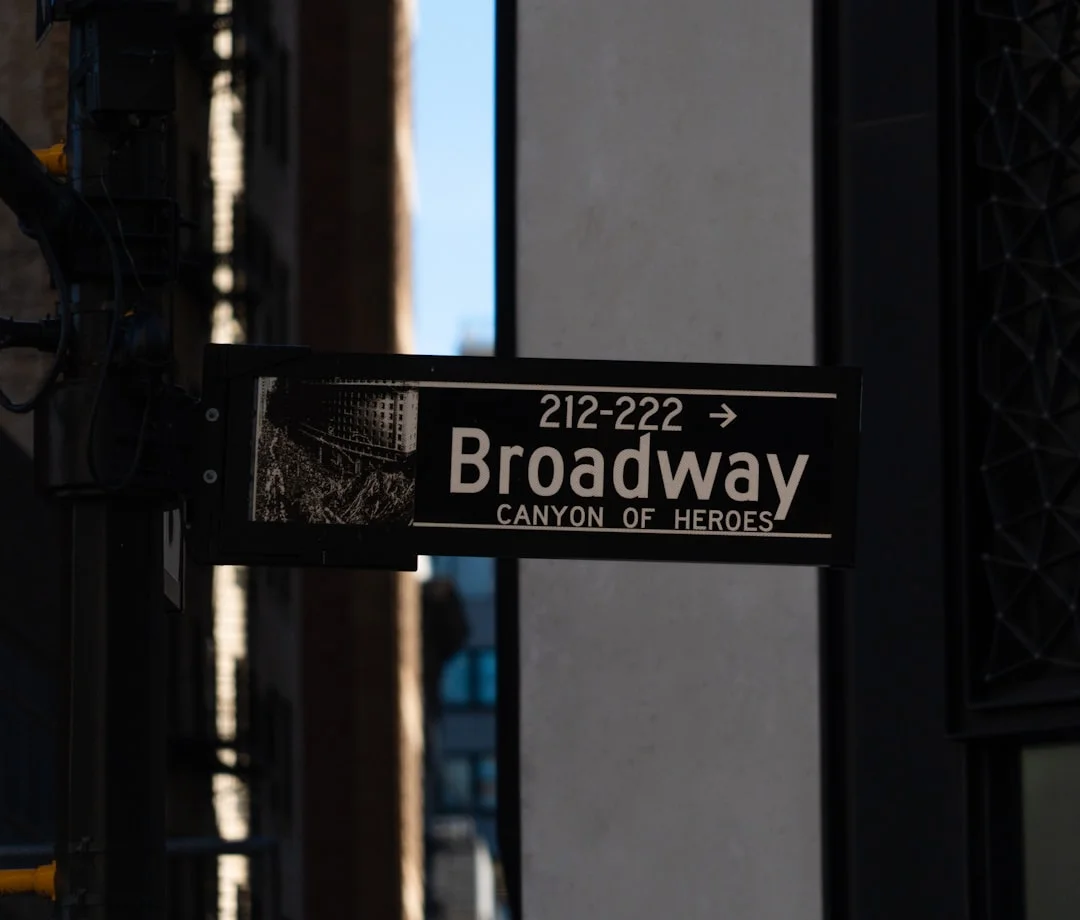
Photo by Thierry Biland on Unsplash
The Broadway and NYC arts 2026 trend is unfolding as a data-driven story about resilience, market momentum, and policy support shaping New York’s cultural scene. In early 2026, industry data confirms a powerful recovery story for Broadway, paired with sustained public investment in New York City’s cultural ecosystem. The latest end-of-season results from Broadway show a high-water mark for live theater revenue, while the city’s budget trajectory projects ongoing backing for cultural institutions and creative work across all five boroughs. The combination of record-breaking performance on Broadway and ambitious public investments has become the defining frame for 2026 in Manhattan’s arts economy, with implications for producers, venues, galleries, and the broader urban economy. This article provides a data-driven update on the Broadway and NYC arts 2026 trend, explaining what happened, why it matters, and what’s next.
Broadway’s 2024–2025 season wrapped in May 2025 with a historic financial arc, underscoring the enduring demand for live performance even as costs rise. The Broadway League reported that the season generated about $1.892 billion in grosses and attracted roughly 14.66 million attendees, marking the highest gross in Broadway’s recorded history and placing attendance only behind the 2018–2019 peak. The season ran from May 20, 2024, to May 25, 2025, and featured 77 productions, including 43 openings, across 1,712 playing weeks and 13,404 performances. Audiences filled 91.2% of available seats, reflecting a robust return to venues after the pandemic era. As industry observers note, the higher grosses came with higher average ticket prices, highlighting a shift in pricing dynamics for the Broadway market. This data point sits at the center of the Broadway and NYC arts 2026 trend, signaling that the live-theater product remains highly valuable to consumers and investors alike. (broadwayleague.com)
On the city side, New York’s cultural sector has benefited from a sustained, multi-year investment push that stretches from 2022 through 2025 and into 2026. The Adams administration and the Department of Cultural Affairs (DCLA) have emphasized steady baseline funding and strategic capital and programmatic investments. In 2025, the mayor’s best-budget-ever framework included a permanent baseline increase of $45 million for DCLA, with an additional $30 million in new funding, lifting the agency’s capacity to support more than 1,100 nonprofits citywide and expanding the Cultural Institutions Group (CIG) by adding new members. The adopted FY2026 budget continues this trajectory, with a total DCLA investment approaching $300 million and a capital plan that earmarks hundreds of millions for cultural infrastructure, libraries, and related programs. These fiscal moves are a cornerstone of the Broadway and NYC arts 2026 trend, underscoring a policy environment designed to stabilize and grow the city’s cultural assets. (nyc.gov)
This period also features a notable shift toward immersive and tech-enhanced experiences within the NYC arts ecosystem, reflecting broader industry dynamics that emphasize audience engagement, multi-space venues, and cross-disciplinary collaborations. An emblem of this trend is the continued interest in immersive theater formats that blend performance with site-specific design and interactive elements. Notably, immersive productions like Masquerade—reimagined Phantom of the Opera in a multi-story, multi-room setting—have drawn critical attention since its opening in 2025, illustrating a growing appetite for location-based, experiential formats. Industry outlets have documented how such productions demand sophisticated AV design and innovative acoustics to maintain a cohesive experience across multi-level spaces. While immersive formats remain resource-intensive, their resonance with audiences signals a meaningful strand of the Broadway and NYC arts 2026 trend. (avnetwork.com)
In the broader cultural landscape, the city’s ongoing support for arts education, community-based cultural spaces, and public art initiatives continues to be a defining feature of 2026’s arts economy. New York’s citywide culture programming—ranging from “Culture Week” celebrations to the ongoing expansion of the Cultural Institutions Group—demonstrates a deliberate policy effort to extend access, diversify the cultural mix, and anchor cultural institutions in every neighborhood. The city has highlighted programs like Materials for the Arts (MFTA) and “NYC Create in Place” as strategic levers for sustainability and community resilience, underscoring that the Broadway and NYC arts 2026 trend is not limited to Broadway but encompasses a wider urban arts ecosystem. These policy moves collectively help stabilize nonprofit arts infrastructure, support artists, and maintain cultural vitality across the five boroughs. (council.nyc.gov)
What Happened
Broadway’s record-breaking season: A detailed recap of the latest season and what it implies for 2026
- The 2024–2025 Broadway season ran from May 20, 2024, to May 25, 2025, and produced $1.892,650,959 in grosses with 14,658,531 attendees, making it the highest-grossing season in Broadway’s recorded history and the second-most-attended season after 2018–2019. The slate included 77 productions, with 43 openings, and a total of 1,712 playing weeks and 13,404 performances. Audiences filled 91.2% of seats, reflecting strong demand and a relatively healthy price environment compared with prior years. The season also marked continued expansion in the breadth of titles, with a mix of musicals and plays that drew diverse audiences across the five boroughs and beyond. These figures reflect the evolving economics of Broadway, where inflation-adjusted pricing and strong tourism co-exist with high production costs and competitive programming. This performance framework is a central data point in evaluating the Broadway market’s trajectory into 2026. (broadwayleague.com)
- The season’s top financial performers included both familiar blockbusters and high-impact new works, underscoring a market that rewards recognizable brands as well as fresh material. Industry analyses note that ticket prices have trended higher, contributing to the robust gross figure even as attendance remains below the 2018–2019 peak. For readers tracking the Broadway and NYC arts 2026 trend, the takeaway is clear: the Broadway product remains a key economic engine for the city, capable of absorbing rising costs while delivering scale in attendance and revenue. (playbill.com)
NYC cultural policy and funding moves: A framework for 2026 and beyond
- In 2025 the city announced a landmark budget that included a permanent baseline increase of $45 million for the Department of Cultural Affairs (DCLA). This increase, reported in May 2025 as part of the Administration’s “Best Budget Ever” framework, was designed to stabilize support for a broad network of cultural nonprofits and to advance equity and access across neighborhoods. The FY26 budget also included an additional $30 million in new funding for DCLA, bringing the year’s new investments for culture to $75 million and strengthening both the Cultural Development Fund and the Cultural Institutions Group. This policy movement anchors the Broadway and NYC arts 2026 trend by enabling institutions to plan with greater certainty, invest in capital projects, and sustain programming in a challenging cost environment. (nyc.gov)
- The city’s commitment to expanding and diversifying cultural access is further reflected in the expansion of the Cultural Institutions Group (CIG) and related programs. As part of Mayor Adams’ 2025 plan, five new CIG members joined the city’s network, each bringing a distinct mission and geographical reach. This expansion broadens the base of publicly supported institutions and signals a strategic push to strengthen the cultural fabric across all five boroughs. The 2025 announcements laid groundwork for a more resilient ecosystem in 2026, supporting the arts economy by stabilizing institutions that attract visitors, residents, and students to downtowns, cultural districts, and cross-neighborhood collaborations. (nyc.gov)
Immersive theater and technology-enabled experiences in New York City: A growing segment of the arts economy
- The immersive theater phenomenon gained momentum in New York City through 2025 and into 2026, with productions that relocate audiences through multi-room venues and require advanced sound, lighting, and AV design to deliver a coherent experience across diverse spaces. The immersive concept has shown staying power, with productions like Masquerade drawing attention for their scale, novelty, and the logistical innovations required to manage multi-story, site-specific spaces. Observers note that this format demands sophisticated production planning and investment, yet it appeals to a growing base of younger audiences seeking experiential engagement beyond traditional proscenium staging. The rise of immersive formats is a notable component of the broader Broadway and NYC arts 2026 trend, reflecting how technology and venue design influence audience expectations and market opportunities. (avnetwork.com)
Why It Matters
Economic momentum and audience dynamics for the Broadway and NYC arts 2026 trend
- The blockbuster Broadway season establishes a high-water mark for revenue and attendance that informs forecasts for 2026. A record-breaking $1.89 billion in grosses and 14.66 million attendees demonstrate the capacity of Broadway to attract both local and international visitors, supporting hotel occupancy, restaurant demand, and transit patterns in Midtown Manhattan and beyond. The season’s performance also affects ancillary markets, including touring shows, regional theaters, and pop-up cultural experiences that ride the same momentum wave. For policymakers and industry leaders, the key takeaway is that live performance remains a central economic pillar for New York City, capable of catalyzing broad urban vitality even as production costs rise and the market becomes more price-sensitive. (broadwayleague.com)
Public funding and policy stability as a strategic advantage for 2026
- The city’s sustained investments in arts and culture—anchored by the FY26 budget with a permanent baseline increase for DCLA and expanded capital commitments—provide a stabilizing backdrop for cultural institutions as they navigate inflation, insurance costs, and shifting philanthropic dynamics. By preserving baseline support and expanding capacity through the CIG, New York City signals a long-term commitment to culture as an urban growth driver, not just a prestige amenity. This policy environment helps institutions plan multi-year capital improvements, education programs, and audience-building initiatives, contributing to a resilient ecosystem that underpins the Broadway and NYC arts 2026 trend. (nyc.gov)
Technology, accessibility, and audience reach as strategic priorities
- The integration of technology and creative reuse programs—along with targeted arts education and community-facing initiatives—plays a critical role in widening access and ensuring sustainability. NYC’s Materials for the Arts and related cultural access programs are examples of how the city supports educators, nonprofits, and creative workers with resources that reduce costs while expanding reach. The ongoing attention to equity, access, and neighborhood programming underlines that the Broadway and NYC arts 2026 trend encompasses not only star-studded productions but also the broader cultural ecosystem that makes New York City a magnet for talent, visitors, and investment. (nyc.gov)
Audience pricing, demand signals, and market mix
- An essential element of the Broadway market’s 2026 outlook is audience willingness to pay higher prices for compelling experiences, alongside a continued appetite for diverse offerings across genres and formats. Industry reporting shows that increases in average ticket prices contributed to record gross figures, while attendance remained robust enough to support a broad programming mix. This dynamic matters because it suggests a market capable of funding both classic hits and ambitious new works, including immersive formats that command premium pricing. The ongoing balance between price, demand, and programming variety will help shape the Broadway and NYC arts 2026 trend as year-over-year data accumulate. (playbill.com)
What’s Next
Timeline, milestones, and near-term indicators for Broadway and NYC arts 2026 trend
- The city’s FY26 budget framework, as announced in 2025 and adopted in mid-2025, set the stage for ongoing investments in culture and libraries, with a baseline increase of $45 million for DCLA and additional $30 million in new funding. The combined effect is to support more than 1,100 cultural nonprofits citywide and to sustain major capital and programmatic initiatives into 2026 and beyond. As budget cycles unfold, readers should watch for announcements about cultural development funds, library enhancements, and potential expansions of CIG membership. These policy channels are critical levers in the Broadway and NYC arts 2026 trend, shaping the capacity of institutions to plan, renovate, and expand programming. (nyc.gov)
- The expansion of the Cultural Institutions Group (CIG) in 2025–2026 is another milestone to monitor. The addition of new member organizations across boroughs signals a broader foundation for cultural resilience and collaboration, enabling a wider array of partnerships, public programming, and cross-institution initiatives. Expect 2026 to feature joint exhibitions, shared programming across venues, and more integrated cultural services that benefit both residents and visitors. (nyc.gov)
What to watch for in 2026 and beyond
- Immersive and multimedia theater developments: The continued experimentation with immersive formats is likely to drive new revenue streams and audience engagement strategies, albeit with higher production costs and complex logistics. Industry observers will track how these productions scale, what audiences are willing to pay, and how sponsors and investors respond as the format matures. The Masquerade example demonstrates both the appeal and the operational complexity of immersive experiences. Expect more site-specific and multi-room productions to surface in NYC and beyond, alongside traditional Broadway programming. (avnetwork.com)
- Public funding and programmatic expansion: With ongoing budget commitments, NYC agencies will likely release grant cycles, capital funding opportunities, and expanded arts education initiatives. The public sector’s role in supporting a dense cultural ecosystem remains a differentiator for New York City’s competitiveness as a cultural capital. Watch for updates on additional CIG members, new capital projects, and community-facing arts programs that broaden access and participation. (nyc.gov)
- Economic and employment dynamics: The city’s creative economy has faced long-term challenges, including shifts in employment shares across advertising, performing arts, and related sectors. As funding stabilizes and programming grows, 2026 could see a rebalancing where cultural institutions hire more staff, artists, and technicians, with a potential positive impact on neighborhood economies and tourism. Analysts will scrutinize employment data and industry surveys to determine whether the city’s cultural policy mix translates into tangible job growth for artists and support personnel. (nycfuture.org)
Closing
The Broadway and NYC arts 2026 trend is still taking shape, but the data to date paint a clear picture: Broadway delivered a post-pandemic milestone season in 2024–2025, while New York City’s government and cultural leadership fortified the ecosystem with stable funding, expanded capacity, and a willingness to embrace new formats that attract audiences and stimulate the economy. This combination—strong live performance revenue, sustained public investment, and a growing appetite for immersive and technology-enabled experiences—defines a data-driven trajectory for 2026 that stakeholders across theaters, galleries, and cultural venues must navigate with careful planning and clear metrics.
For readers who want to stay informed on the latest developments in the Broadway and NYC arts 2026 trend, keep an eye on official industry reporting, city budget updates, and major productions that signal shifting audience preferences. The Broadway League’s season statistics, NYC’s budget releases, and major immersive productions offer reliable signals as the year unfolds. As always, continuing coverage in Manhattan Monday will track these indicators and translate them into practical implications for theater owners, gallery operators, educators, and city planners.
The next several quarters will reveal how the Broadway and NYC arts 2026 trend translates into concrete outcomes: higher-quality productions, more equitable public programming, and a broader set of experiences that define New York City as a living, learning, and revenue-generating cultural capital. By combining season data, policy developments, and audience feedback, we can monitor momentum and identify where the market still requires support or adjustment to sustain growth.
If you’d like deeper dives into specific segments—such as the performance of particular Broadway titles, neighborhood-by-neighborhood cultural investments, or the impact of immersive venues on local businesses—let us know which angles matter most. Manhattan Monday will continue to publish data-driven updates, with transparent sourcing and ongoing context for the Broadway and NYC arts 2026 trend.