Broadway and arts February 2026 NYC: A Data-Driven Snapshot

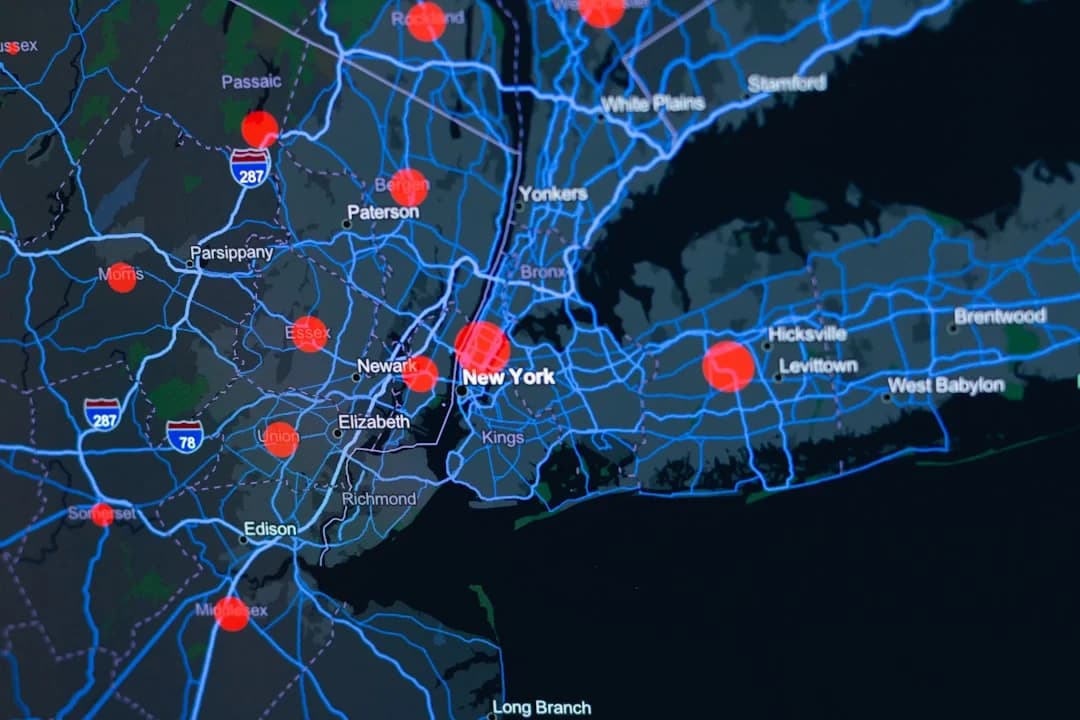
Photo by KOBU Agency on Unsplash
New York City’s cultural scene in February 2026 sits at a notable crossroad of weather-driven disruptions, financial momentum, and a rapidly evolving tech-infused arts landscape. For readers of Manhattan Monday, the landscape of Broadway and arts February 2026 NYC blends the urgency of a winter blizzard with the persistence of a city that keeps producing headline-grabbing shows and high-profile art events. This report provides a data-driven view of what happened, why it matters, and what to expect next, with a clear focus on technology, market dynamics, and the city’s broader cultural ecosystem. The moment is defined by a rare convergence of Broadway’s box-office resilience and a thriving Chelsea and Harlem arts calendar, all tested by weather, scheduling, and a busy awards cycle on the horizon.
As this snapshot unfolds, Broadway and arts February 2026 NYC illustrates how New York’s cultural economy continues to lean on data, audiences, and cutting-edge production technologies. Early February’s weather challenges intersected with a broader arc of record-setting seasons and a renewed emphasis on immersive experiences. The conversations around Broadway, theatre technology, and gallery activity in Manhattan underscore a city that remains a global hub for both live performance and visual arts. The Tony Awards, scheduled to return to Radio City Music Hall on June 7, 2026, loom as a central milestone for the season and the industry’s broader narrative. “The 79th Annual Tony Awards will return to Radio City Music Hall in New York City broadcasting LIVE to both coasts on Sunday, June 7, 2026 on the CBS Television Network,” the official Tony Awards site confirms, signaling a pivotal moment for Broadway and theater in NYC. (tonyawards.com)
Against this backdrop, Manhattan’s readers are weighing the immediate impact of weather-driven disruptions on Broadway performance schedules, the health of the box office, and the parallel rhythms of the city’s arts economy. The Harlem Fine Arts Show’s return to The Glasshouse in New York City from February 20–22, 2026, alongside curated Chelsea gallery experiences and special gallery walks in Chelsea, provide a timely counterpoint to the Broadway news cycle, highlighting how the broader arts ecosystem adapts to a winter season with both challenges and opportunities. HFAS18 is positioned as a marquee event in NYC’s February arts calendar, featuring more than 100 artists and a slate of talks and engagements that illustrate the city’s diversified arts economy. (hfas.org)
Section 1: What Happened
Blizzard disrupts Broadway schedule and daily operations
On February 22, 2026, New York City’s weather conditions forced Broadway to preemptively cancel Sunday evening performances across most theatres, a move designed to mitigate travel risks and protect audiences and performers. The Broadway League’s decision covered shows with curtain times at 6 p.m. or later and marked a significant disruption to the ongoing winter slate. The exception to the cancellations was Operation Mincemeat, which remained scheduled for performances at the time of the update. This event underscores the fragility of live performance logistics in the face of severe winter weather and the need for coordinated communications between theatre owners, producers, and ticketing partners. (playbill.com)
The Blizzard fallout also rippled into audience planning and refunds, with ticket holders directed to their points of purchase for exchanges or refunds. The immediate reaction from the industry highlighted the importance of flexible policies and real-time updates to maintain consumer trust during disruptive weather episodes. For readers tracking Broadway and arts February 2026 NYC, the weather-driven interruption serves as a reminder that the performance calendar can pivot quickly, even in a season that for many productions has already been robust in demand. (playbill.com)
February box office snapshot and attendance trends
Even as weather created interruptions, industry data from Broadway grosses around mid-February 2026 offered a window into the ongoing health of Broadway’s market. The week ending February 15, 2026 shows a total gross of approximately $33.58 million across 27 productions, with attendance around 246,718 and an average ticket price near $136.10, reflecting a market still buoyant despite blizzard-related volatility. These figures illustrate that, while weather events temporarily dampen the schedule, the underlying demand for Broadway performances remains strong and the market continues to operate with a high level of discipline around pricing and capacity management. (broadwayworld.com)
This box-office snapshot sits within a broader context of a season that, prior to the disruptions, had already demonstrated resilience and notable scale. The Broadway League’s end-of-season data for 2024–2025, published in mid-2025, showed the strongest performance in several years, with 14.7 million attendances and $1.89 billion in grosses across 77 productions. The season was characterized by high occupancy—roughly 91.2% of available seats—along with multiple open titles in a robust ecosystem of plays and musicals. The historical context helps analysts interpret February 2026 performances not as a standalone blip but as part of a continuing arc of record-setting or near-record seasons. (broadwayleague.com)
Arts calendar highlights in February 2026: Harlem and Chelsea districts
Beyond Broadway, New York’s Chelsea district and Harlem’s arts scene offered a rich calendar of February 2026 events that shaped the city’s overall cultural economy. The Harlem Fine Arts Show (HFAS) returned to The Glasshouse in NYC from February 20–22, 2026, showcasing work from more than 100 artists and featuring programming designed to spotlight contemporary African-diaspora art. This event is a bellwether for the city’s visual-arts market during the winter season, complementing the Broadway focus with a strong gallery week and artist-driven engagements that draw locals and visitors alike. (hfas.org)
Chelsea remained a magnet for art lovers with walkable gallery tours and curated experiences throughout February. Notable listings included a Chelsea Art Gallery Walk slated for February 21, 2026, presented by the Cornell Club of New York, offering participants a guided exploration of Winter shows across multiple Chelsea galleries. Additional gallery walks and private tours were scheduled for February 28, 2026, expanding the city’s Chelsea-week footprint and reinforcing the district’s role as a dynamic engine of the arts economy during February. These events are documented by university-affiliated programs and third-party organizers, underscoring the breadth of activity and the city’s capacity to host both curated and independent art-tour experiences. (cornellclubnyc.com)
In the Chelsea and Harlem arts ecosystem, technology and production values are increasingly shaping the visitor experience—from immersive digital installations to guided, story-driven gallery tours. The Guardian’s coverage of immersive theatre, including mixed-reality work in New York in early 2026, highlights how technology is expanding the range and depth of NYC arts offerings. The Shed’s “An Ark” production, for example, represents a cutting-edge approach to live storytelling using volumetric capture and mixed reality, signaling a broader trend in which NYC venues leverage tech to deepen audience engagement. While not Broadway in the conventional sense, this development adds context to Broadway and arts February 2026 NYC by illustrating how New York’s tech-forward productions influence audience expectations and competing experiences citywide. (theguardian.com)
Notable announcements and upcoming dates in early 2026
The Broadway season continues to unfold with a slate of announcements and upcoming milestones that shape the rest of the year. The Tony Awards Administration Committee met on February 19, 2026, to determine eligibility for the 2025–2026 season, underscoring the ongoing governance of Broadway’s competitive landscape and the central role of awards in signaling a show’s potential season-long trajectory. The 79th Tony Awards are scheduled for Sunday, June 7, 2026, at Radio City Music Hall, with broadcast on CBS and additional streaming on Paramount+. The formal dates and policy groundwork are part of the ongoing process that informs investor, producer, and audiences about what to expect from Broadway in the 2025–2026 season. The official materials also note that nominations will be announced on May 5, 2026, highlighting a critical planning window for the industry. (m.tonyawards.com)
Section 2: Why It Matters
Economic and market consequences for Broadway and NYC arts
The weather disruptions on February 22, 2026, while notable, do not erase the broader strength of Broadway’s market in the 2025–2026 cycle. The mid-February grosses and attendance figures illustrate that, despite a temporary hiccup, demand remains robust and consumers are adapting to shifting schedules. As a data-driven measure, this matters because it contextualizes investor confidence, payroll planning, and tourism flows in a city that depends on the health of its arts sector for a substantial portion of cultural and economic activity. The Broadway League’s end-of-season numbers from 2024–2025 show the market’s capacity to generate record grosses and high attendance, setting a high baseline for evaluating February 2026 results in the broader narrative of NYC arts economics. (broadwayleague.com)
The resilience of Broadway, even in the face of weather-related disruptions, has downstream effects on supplier ecosystems—from set construction to lighting and costume houses—to ticketing platforms and hospitality around Times Square and midtown Manhattan. The combination of strong grosses and high occupancy rates helps sustain a jobs pipeline and a vibrant citywide ecosystem that supports not only theatres but galleries, venues, and ancillary cultural businesses. As Broadway and arts February 2026 NYC unfolds, the market evidence suggests that the winter dip was temporary and that the sector remains on track for continued growth into spring and the Tony Awards season. (broadwayleague.com)
Audience behavior and technology-driven experiences
Audience behavior in February 2026 reflects both constraints and evolving expectations. Weather challenges have pushed theatres to adopt clearer communications, flexible scheduling, and broader accommodation policies for ticket holders, reinforcing a customer-centric operating model. On the art side, Chelsea and Harlem’s events underscore a diversification of experiences, from traditional gallery viewing to immersive installations and guided gallery walks that blend education, socialization, and cultural discovery. These shifts matter because they point to a more nuanced audience that seeks a mix of high-quality live performance and integrated arts experiences, often enhanced by digital or immersive technologies. The Guardian’s reporting on mixed-reality productions in NYC affirms that technology is increasingly part of the art and theatre vocabulary, shaping both how stories are told and how audiences engage with them. (theguardian.com)
The role of awards and calendar planning
Awards cycles influence stage strategy, investment, and public perception. The Tony Awards’ scheduled date in June 2026 serves as a focal point for studios, producers, designers, and performers to align marketing, press, and touring plans. The official materials emphasize the broadcast and streaming plan as well as the nomination timetable, which in turn guides promotional campaigns and potential revival discussions. For readers following Broadway and arts February 2026 NYC, the Tony calendar is not merely a ceremonial date—it’s a strong market signal that can affect box-office dynamics, investor sentiment, and the timing of press coverage around spring openings and closings. (tonyawards.com)
Geographic breadth: Chelsea, Harlem, and beyond
New York’s cultural economy in February 2026 is not limited to Broadway. The Harlem Fine Arts Show, with its focus on artists from the African diaspora, elevates the city’s status as a global art hub and contributes valuable multiyear revenue streams for galleries, curators, and artists. The show’s return to The Glasshouse NYC and its emphasis on cultural exchange resonates with a broader trend toward diversity, inclusion, and international interest in NYC’s art scene. Chelsea’s gallery district continues to be a magnet for global collectors and local enthusiasts, reinforcing a citywide ecosystem where the arts intersect with hospitality, retail, and tourism. The data landscape—ranging from attendance and revenue to event participation—helps analysts quantify the impact of these districts on the city’s cultural economy. (hfas.org)
Section 3: What’s Next
Near-term milestones to watch
Looking ahead, the near-term milestones for Broadway and arts February 2026 NYC include the continuation of winter scheduling, weather contingency planning, and the lead-up to the Tony Awards nominations on May 5, 2026. Producers will be watching box-office performance in late February and March as the market tests the bounce-back after the Blizzard-driven disruption. The February grosses and attendance for the week ending February 15 offer a baseline for measuring subsequent weeks, especially as theatre owners consider exchanges or refunds related to weather-related cancellations and the impact on upcoming shows. The Tony Awards Administration Committee’s ongoing eligibility meetings will refine the slate of eligible productions and shape expectations for nominations and subsequent campaigns. (broadwayworld.com)
Long-term trends and ongoing themes
Longer-term, Broadway’s trajectory remains closely tied to a combination of record-setting seasons, the adoption of new production technologies, and a continued emphasis on immersive and scalable experiences that attract diverse audiences. Industry coverage and trade reports suggest a growing role for LED walls, motion-tracking lighting, and hybrid production pipelines that integrate virtual production tools and real-time data to inform design choices. The NYC arts ecosystem, including Chelsea and Harlem, is likely to continue expanding into mixed-reality experiences, digital installations, and curated tours that leverage digital platforms to reach audiences beyond traditional galleries. As NYC’s cultural calendar evolves, Broadway and arts February 2026 NYC will likely serve as a data-rich reference point for evaluating how weather, technology, and taste shape the city’s arts economy. (theguardian.com)
What to watch for in the weeks ahead
- Tony Awards nominations and broadcast plans: May 5, 2026 nominations announcement; June 7, 2026 Tony Awards broadcast at Radio City Music Hall. Officials emphasize live CBS coverage and Paramount+ streaming. This remains a critical inflection point for Broadway’s pipeline and for industry partnerships. (tonyawards.com)
- New and rewritten productions in NYC: Expect announcements and openings that blend traditional Broadway with immersive or mixed-media elements, consistent with a trend toward technologically integrated theatre nationwide. Market watchers should monitor shows that pair classic material with contemporary technology, as these often drive press coverage and box-office performance. For example, coverage of immersive or mixed-reality work reported in major outlets indicates a broader appetite for tech-enabled storytelling in NYC. (theguardian.com)
- Chelsea and Harlem calendar momentum: February 2026’s slate of Chelsea gallery walks and Harlem HFAS events suggests continued momentum for citywide arts tourism during off-peak Broadway months. Expect more weekend gallery events, specialized tours, and cross-promotional partnerships that align with Broadway’s spring fever. (cornellclubnyc.com)
Closing
Broadway and arts February 2026 NYC demonstrate how a city can blend volatility with opportunity. Weather impacted schedules in the short term, but the longer arc shows a healthy and diversified cultural economy. Broadway continues to draw immense audience demand, even in a winter month that tested the industry’s resilience, while NYC’s arts districts—Chelsea, Harlem, and beyond—expanded their influence through immersive experiences, gallery walks, and events that attract both locals and visitors. For readers seeking to understand the current moment, the takeaway is clear: data-driven planning, responsive operations, and a willingness to embrace technology-driven storytelling are shaping a resilient, forward-looking Broadway and arts ecosystem in NYC.
If you’re following Broadway and arts February 2026 NYC, stay tuned to official channels for the latest show schedules, weather-related updates, and award-season news. The coming weeks will offer more clarity on which productions emerge as season leaders, how tech-enabled productions perform, and how NYC’s arts calendar continues to balance tradition with innovation.
As always, readers can rely on ongoing reporting that tracks box offices, attendance, and the evolving role of technology in both Broadway productions and citywide arts programming. Updates will continue to arrive as the season unfolds, with the aim of delivering precise, timely insights into Broadway and arts February 2026 NYC for professionals, enthusiasts, and casual observers alike.