Broadway 2026 Revival and Theater District Shifts
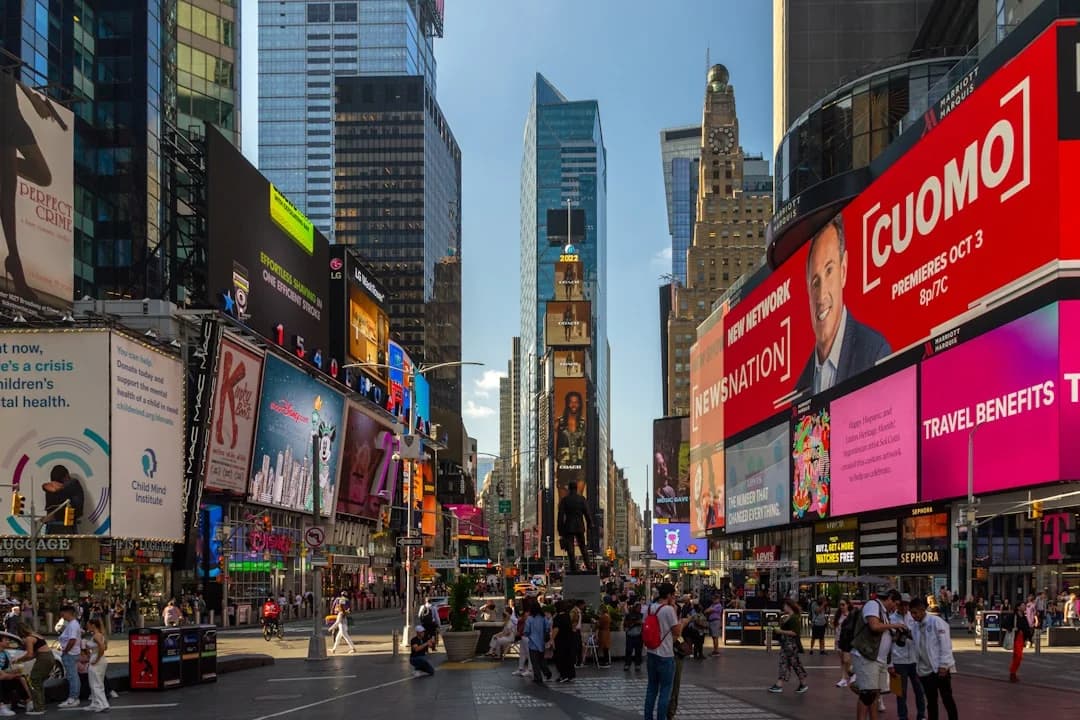
Photo by David Vives on Unsplash
As Manhattan enters 2026, the Broadway ecosystem is in the midst of a pronounced revival and a broader theater district shift. The phrase Broadway 2026 revival and theater district shifts captures a moment when marquee moments on the Great White Way intersect with major urban planning and development moves in Times Square and the Theater Subdistrict. Early 2026 reports show a rare convergence of high-profile revivals, ambitious new productions, and transformative infrastructure investments that could reshape attendance patterns, ticketing dynamics, and the way audiences access Broadway experiences. The year began with a surge in high-visibility shows and a concerted push from developers and city planners to reimagine the theater district as a year-round cultural and experiential hub, not just a seasonal stage for plays and musicals. This combination—two intertwined forces of culture and city design—adds urgency for readers who want to understand not only what’s on stage but also how the surrounding streets, venues, and transit infrastructure will influence the Broadway marketplace. (theguardian.com)
Industry observers say the timing is atypical but not accidental. In late 2025, producer-director Alex Timbers had four Broadway shows running simultaneously, a rare feat that underscored a broader revival momentum across the city’s lines of sight and seating curves. With shows like Beetlejuice, Just in Time, Moulin Rouge! The Musical, and All Out: Comedy About Ambition continuing to perform, the Broadway calendar reflected a density of production that attracted diverse audience segments and reinforced the perception of a robust ecosystem heading into 2026. The development occurred as producers, venues, and city planners alike signaled a willingness to experiment with immersive experiences and cross-genre programming to sustain momentum. (apnews.com)
Against this backdrop, a wave of theater district developments—some already underway, others in early-stage planning—took center stage. A notable example is Broadway4D, an immersive-entertainment concept that signed a lease for roughly 25,000 square feet at the Liberty Theatre, part of the New 42nd Street redevelopment around Times Square. The project aims to integrate live performance with cutting-edge technology to deliver hybrid experiences that may broaden audiences while expanding the theatrical footprint in the district. The Deuce location and the broader project history highlight how developers are looking to weave theater into mixed-use environments, a shift that could influence how producers think about programming density, venue sizing, and audience flow. (therealdeal.com)
Meanwhile, the physical Theater District itself has been the subject of intentional improvements. Reports in early 2025 noted the implementation of major street and pedestrian upgrades on 42nd Street between 7th and 8th Avenues, with wider sidewalks, security bollards, and landscaping designed to accommodate heavier foot traffic and longer intermissions. The goal is to improve safety, comfort, and wayfinding for theatergoers, while enabling adjacent transit and entertainment elements to operate more cohesively. The ongoing work—paired with reconfigurations of adjacent venues and entrances—signals a broader strategy to elevate the theater-going experience beyond the traditional theater doors. (6sqft.com)
Opening a window onto the near-term calendar, industry outlets and official tourism channels began to outline 2026 as a year of notable premieres, transfers, and revivals. The Guardian’s 2026 culture preview highlighted a slate of high-profile shows drawing international attention, including Dolly Parton’s Dolly: A True Original Musical and the anticipated Dreamgirls revival, with Daniel Radcliffe returning to the stage in Every Brilliant Thing. The piece argued that after a record-shattering 2024-25 season, Broadway in 2026 would balance star power with a deeper array of revivals and new works, an attitude reinforced by ongoing audience recovery and pricing dynamics. (theguardian.com)
What happened in early 2026 also includes a notable integration of touring and Off-Broadway momentum into the Broadway ecosystem. The New York City Tourism and Conventions program, which tracks and promotes Broadway activity, enumerated shows that had opened or were in previews during late 2025 and into 2026, including Ragtime’s Broadway revival opening October 16, 2025, and Schmigadoon! preparing to begin previews in April 2026. The listings underline a trend toward bringing diverse formats—revivals, new works, and cross-media experiences—into a single calendar, making the Broadway season feel more expansive and interconnected with Off-Broadway and immersive experiences in nearby districts. (business.nyctourism.com)
Section 1: What Happened
Broadway revival wave in 2026
A crowded calendar signals deeper demand
The 2025-2026 season carried forward momentum from a record-setting 2024-2025 season, with attendance and grosses at or near all-time highs. The Guardian’s culture preview for 2026 framed the year as one in which revivals and buzzy transfers would share the stage with ambitious new productions, sustaining a high level of public interest and media attention. The revival wave included marquee titles and star-powered engagements that attracted both long-time enthusiasts and newer theatergoers, a dynamic that can influence price elasticity, seat demand, and scheduling across the district. (theguardian.com)
High-profile titles and star-driven programming
In January 2026, major outlets highlighted Dolly Parton’s forthcoming Broadway engagement, extrapolating the revival wave into a broader cultural moment. Dreamgirls and Every Brilliant Thing were also positioned as marquee experiences for the year, signaling a strategy to blend classic material with contemporary sensibilities and star-driven publicity. The Guardian’s preview emphasizes the pull of recognizable brands and contemporary storytelling as a core driver of audience engagement in 2026. These developments, combined with Timbers’ four-show season, illustrate how Broadway is balancing legacy titles with current pop-cultural relevancy to sustain momentum. (theguardian.com)
Immersive and technology-forward plays augmenting traditional stages
The Real Deal’s coverage of Broadway4D at the Liberty Theatre demonstrates how the district is expanding beyond traditional proscenium formats into immersive, technology-enabled experiences. Although Broadway4D’s project timeline places the opening further into the future, the leasing activity and concept signals a broader appetite for experiential theater within the core of the Theater District and Times Square. The presence of immersive options alongside conventional musicals and plays may alter programming strategies, audience segmentation, and revenue models for producers in the 2026-2027 window. (therealdeal.com)
Infrastructure and venue changes shaping the district
In parallel with production activity, infrastructure upgrades and venue strategies are taking shape. The 42nd Street redesign and related theater district improvements are designed to enhance safety, accessibility, and pedestrian flow. The 42nd Street corridor has long been central to theater district identity, and the planned enhancements—spanning sidewalk widening, traffic-calming measures, and improved wayfinding—are intended to reduce friction for large crowds during peak hours and major openings. The details of these plans, including references to security bollards and enhanced public realm features, highlight a coordinated public-private effort to align district mood with growing production intensity. (6sqft.com)
Key productions and casting announcements
Notable openings and transfers

Beyond Dolly and Dreamgirls, the 2025-2026 season’s mix of revivals, transfers, and new work featured several high-profile mentions in major outlets. The Guardian’s 2026 preview identifies a mix of revivals and new properties that would anchor the calendar, including well-known titles that historically draw broad audiences. The presence of these shows indicates not only market resilience but also a willingness among producers to place bets on recognizable IP alongside more experimental fare. (theguardian.com)
The role of star power and creative teams
The Timbers moment—having four concurrent Broadway productions—alongside ventures like Dolly and Dreamgirls signals a broader industry trend: star-driven productions and high-concept direction are coexisting with mid-budget, high-appeal revivals. The AP News profile of Timbers underscores the scale and complexity of managing multiple productions simultaneously, offering a lens into how creative leadership is orchestrating supply in a dense theater environment. This dynamic matters for investors, tugging at ticket pricing, marketing strategies, and cross-show synergies. (apnews.com)
The evolving mix of formats in the district
The emergence of immersive experiences within a traditional theater district framework points to a broader shift in the industry’s approach to scale and audience engagement. Broadway4D’s presence at the Liberty Theatre is a case study in how developers and producers are reimagining venues as multi-sensory destinations, potentially redefining what “a Broadway experience” can be. While the project was announced in 2024, the continued interest in immersive formats suggests the district’s evolution is ongoing and could influence future decisions about stage design, seat counts, and ancillary programming. (therealdeal.com)
Why It Matters
Economic impact for Broadway and Midtown Manhattan
Revenue resilience and growth signals
Broadway’s rebound to pre-pandemic levels in the 2024-2025 season culminated in a historically high gross, a trend that The Guardian notes as a foundation for 2026’s ambitious lineup. The combination of robust grosses and a dense production slate suggests ongoing demand for live theater and related experiences. That demand has implications for Midtown Manhattan’s broader economy, including hotel occupancy, restaurant traffic, and retail footfall, particularly around the Theater District and Times Square where visitors cluster for shows, dinners, and after-show activities. The economics of Broadway, Off-Broadway, and immersive venues are intertwined with local real estate dynamics, transit patterns, and city policy intended to sustain a vibrant cultural district. (theguardian.com)
Real estate and development momentum
The Real Deal’s reporting on Broadway4D at the Liberty Theatre situates Broadway within a broader real estate narrative: entertainment-led development that couples theater with experiential venues and mixed-use components. As developers eye 25,000-square-foot occupancy, the price per foot and the project’s ability to draw consistent attendance will influence lease rates, property values, and the appetite of landlords to reinvest in historic theaters. This matters for the district’s long-run vitality because venue renovations and new attractions contribute to a cycle of audience retention, repeat visits, and extended dwell times in the neighborhood. (therealdeal.com)
Accessibility and urban planning implications
Pedestrian-focused district upgrades
The 42nd Street redesign and related theater-district improvements aim to make the district more legible and comfortable for large crowds, an essential factor as opening nights and press events bring spikes in visitors. The 6sqft overview of district updates, including the 42nd Street redesign and other public realm enhancements, emphasizes the city’s commitment to managing crowds while preserving the district’s iconic street-level character. These improvements can influence the consumer experience, reduce entry friction, and improve the safety and efficiency of crowd management—factors that ultimately affect attendance and repeating visits. (6sqft.com)
Public realm investments and safety
The 2025-2026 period also saw investments in urban safety and infrastructure meant to support a more resilient, accessible district. The 42nd Street corridor redesign, together with related transit and pedestrian enhancements, aligns with a broader policy push to maintain Midtown’s cultural competitiveness while addressing urban challenges such as traffic, safety, and accessibility. Planning documents and coverage suggest a coordinated approach to ensure that the district remains a welcoming gateway for both local residents and visiting audiences. (nyc.gov)
Immersive experiences and the theater ecosystem
Broadway4D’s presence and related immersive initiatives suggest a tectonic shift in how the district is used and perceived. If immersive venues gain prominence in 2026 and beyond, the theater district may experience changes in audience segmentation, multi-hour stays, and cross-venue traffic. This has implications for security, transit planning, and street-level retail, as more visitors may plan evenings that blend theater, dining, and experiential entertainment. Observers see these shifts as potentially widening the district’s appeal beyond traditional Broadway crowds. (therealdeal.com)
What’s Next
Near-term milestones and dates to watch

Key openings and calendar anchors
As of early 2026, several high-profile events and openings are pushing the Broadway calendar forward. The 79th Tony Awards, scheduled for June 7, 2026, will be a critical barometer of critical and commercial reception for the 2025-26 season, including revivals and new productions that have captured attention throughout the year. The Tony Awards often influence post-award legacies for productions and can affect subsequent touring and licensing activity across the country. This makes June 7, 2026 a focal point for industry stakeholders tracking Broadway 2026 revival and theater district shifts. (en.wikipedia.org)
Ongoing openings and adjustments
The New York City Tourism page for January 2026 lists a slate of Broadway activity and Off-Broadway shows with ongoing performances or previews into 2026, including Ragtime’s lift into Broadway in late 2025 and Schmigadoon!’s previews in April 2026. The page also references the ongoing Broadway Week and Off-Broadway Week programs designed to stimulate attendance during slower periods, signaling continued efforts to sustain demand across a broad spectrum of shows and formats. For readers tracking the Broadway 2026 revival and theater district shifts, these calendar anchors provide a practical, tangible view of when to expect major public events and attendance peaks. (business.nyctourism.com)
Longer-term outlook and watch list
Strategic implications for producers and venues
Looking ahead to the 2026-2027 window, industry observers expect continued balance between revivals and new work, with a potential rise in immersive and multi-venue experiences within the Theater District and adjacent neighborhoods. The Guardian’s curated list of anticipated 2026 shows, combined with early momentum from Timbers’ four-show season and ongoing infrastructure investments, suggests a strategy in which producers diversify risk across forms of entertainment while preserving Broadway’s core identity. Observers will watch how ticket pricing, marketing approaches, and cross-venue promotions evolve as audience tastes shift and competition from immersive experiences intensifies. (theguardian.com)
The broader urban context
Beyond the theater, the district’s evolution intersects with major public realm investments and transit planning that shape how long visitors linger and how often they return. The 42nd Street redesign and related venue upgrades are part of a larger urban design conversation about midtown Manhattan’s role as a year-round cultural destination rather than a seasonal spike in activity. Local planning documents and civic journalism emphasize the need to preserve historic theaters while enabling new forms of entertainment to coexist, reinforcing a long-run trajectory toward a more integrated, more resilient theater district. (nyc.gov)
What readers should take away is that Broadway 2026 revival and theater district shifts are not only about what happens on stage, but also about how audiences reach the stage, how districts are designed to welcome them, and how urban policy and development shape the city’s cultural economy. The convergence of a robust revival slate, strategic venue partnerships, immersive formats, and thoughtful pedestrian-focused upgrades suggests that Broadway’s core product—live theater—will continue to adapt to both market demand and urban realities. For industry watchers, this means paying attention not only to show announcements and casting but also to opening dates for new venues, reimagined public spaces, and policy moves that influence where, how, and at what scale audiences experience Broadway in 2026 and beyond. (theguardian.com)
Closing
The headlines are clear: Broadway 2026 revival and theater district shifts are reshaping the center of New York’s cultural economy. As the year unfolds, expect a steady stream of production announcements, venue innovations, and urban-planning milestones that collectively redefine how the Times Square–Theater District ecosystem operates. Readers should stay tuned to major trade outlets, official city updates, and theater tourism channels to track the evolving calendar, the moving parts of the district, and the overall health of Broadway’s comeback in the post-pandemic era. The coming months will reveal how these innovations translate into real-world outcomes for audiences, workers, and investors alike. (apnews.com)