Battery Coastal Resilience Phase 1 Completed

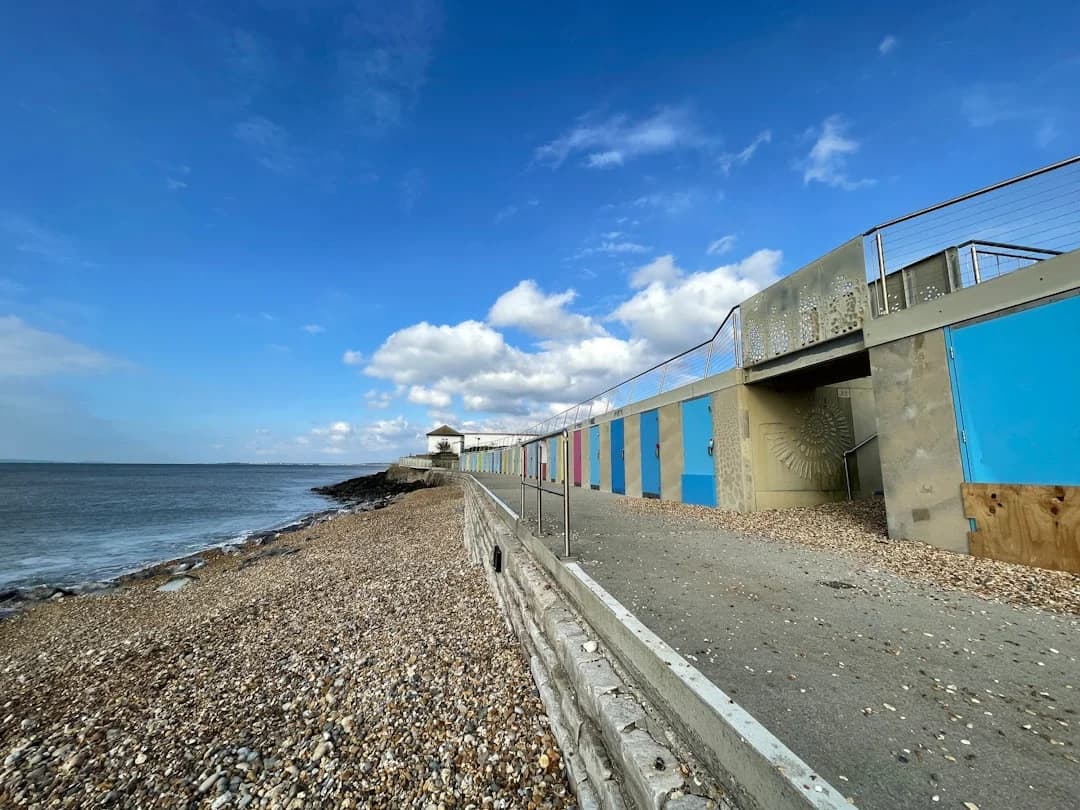
Photo by Chris Whatley on Unsplash
Lower Manhattan today marked a milestone in climate resilience as Battery Coastal Resilience Phase 1 completed on June 8, 2026. City officials, led by Mayor Zohran Kwame Mamdani, announced the completion of the first phase of a landmark $200 million investment designed to shield the waterfront from rising seas and stronger coastal storms through 2100. The announcement came as part of a broader push within the Lower Manhattan Coastal Resiliency (LMCR) program, a multibillion-dollar initiative that positions resilience as a core infrastructure and public-space strategy for the city. The completion signals not only a physical upgrade to a vulnerable waterfront but also a signal to residents, businesses, and visitors about the direction of climate adaptation in one of New York City’s most iconic urban landscapes. As the city underscores, this work is about protecting people and places while preserving the character and accessibility that define The Battery.
Officials described Phase 1 as a foundational step within a longer, system-wide effort to reduce coastal flood risk, with a footprint designed to anchor a safer waterfront for roughly 100,000 residents, 300,000 jobs, and 12,000 businesses that rely on Lower Manhattan’s shoreline. The project is part of more than $2.7 billion in LMCR capital investments aimed at reducing flood risk from coastal storms and rising seas. The Battery Coastal Resilience project specifically rebuilds and elevates a portion of the wharf promenade in The Battery, reinforcing public space and infrastructure that support both everyday uses and extraordinary events. In addition to the structural work, the project embraces sustainability goals, moving materials by barge where possible to reduce truck traffic and embodied carbon. This shift is projected to yield meaningful emissions reductions and a quieter, safer waterfront experience for visitors. The Battery Coastal Resilience Phase 1 completion thus stands as a concrete, data-informed step toward a more resilient, accessible Lower Manhattan waterfront. (edc.nyc)
What Happened
Phase Milestones
The formal completion of Battery Coastal Resilience Phase 1 was announced on June 8, 2026, by Mayor Mamdani alongside the New York City Economic Development Corporation (NYCEDC), the New York City Department of Parks and Recreation (NYC Parks), and the Mayor’s Office of Climate & Environmental Justice (MOCEJ). The first phase is described as a landmark $200 million investment designed to safeguard Lower Manhattan’s waterfront while preserving The Battery’s public-space character. This milestone is framed within a broader LMCR strategy that aims to protect more than 100,000 residents, 300,000 jobs, and 12,000 businesses over time. The official release emphasizes the phase’s role in lifting and rebuilding a section of the wharf promenade to withstand projected sea-level rise through 2100. The project’s completion is positioned as a turning point, with Phase 2 currently planned for 2027. (edc.nyc)
The overall LMCR initiative, of which Battery Coastal Resilience Phase 1 is a part, involves substantial city investments aimed at coastal protection and waterfront revitalization. The LMCR program outlines a multi-project approach that collectively targets flood risk reduction across Lower Manhattan, with dedicated capital investments now exceeding $2.7 billion in total. The Battery Coastal Resilience project sits within a portfolio that includes additional resilience work in Battery Park City and surrounding waterfront areas, all designed to knit together a continuous line of defense while maintaining waterfront access and public amenities. (nyc.gov)
Scope and Construction Details
Phase 1 focuses on the wharf and esplanade in The Battery, including the reconstruction and elevation of the western segment of the wharf and related landscape features. The scope includes upgrading stormwater management and accessibility improvements, alongside restoration and recreation of memorial elements integral to The Battery’s cultural landscape. The work is designed to align with the park’s historic character while upgrading its resilience to present and future climate risks. Construction was organized to maintain ferry service continuity, a critical consideration given The Battery’s role as a major ferry departure point and visitor magnet. (stantec.com)
In terms of construction methodology and sustainability, Phase 1 incorporates an emphasis on low-carbon materials and a material-reuse program. Granite, wood, and bronze are being integrated in a way that preserves The Battery’s historic character while reducing waste and embodied carbon. The project also features a shift to barge-based transportation for construction materials, eliminating thousands of heavy truck trips and contributing to significant carbon-emission reductions. The approach aligns with broader city goals for sustainable construction and climate-conscious urban development. (edc.nyc)
Phase 1 also highlights the Gardens of Remembrance and other memorial elements that line The Battery wharf. The Gardens of Remembrance, which span the length of the promenade, are being recreated in conjunction with new plantings and landscape features that enhance biodiversity and public enjoyment. This combination of resilience and cultural preservation underscores the project’s dual mandate: durable coastal protection and continued public access to a storied waterfront. (stantec.com)
Timeline and Stakeholders
The Battery Coastal Resilience project is a central component of the LMCR, a citywide effort to fortify coastal defenses in Lower Manhattan. With Phase 1 complete, the city and its partners have signaled continued collaboration toward Phase 2, which is expected to reconstruct and elevate the remaining portions of the wharf. The timeline for Phase 2 targets 2027 completion, with construction framed as a bridge between public-space goals and critical infrastructure protection. The leadership in this effort includes NYCEDC, NYC Parks, BPCA, MOCEJ, and other municipal partners, reflecting a cross-agency commitment to resilient, accessible waterfronts. (edc.nyc)
Industry observers noted that Battery Coastal Resilience is supported by strategic, long-range planning that builds on the city’s climate resilience studies and master plans. The LMCR program’s design and implementation emphasize synergy with other waterfront projects and a phased approach that minimizes disruption while delivering tangible safety and usability improvements. In addition to the physical upgrades, the project’s governance and financing structure illustrate a model for how cities can coordinate capital investments across multiple agencies to deliver durable climate resilience in a dense urban setting. (nyc.gov)
Why It Matters
Risk Reduction and Public Space Enhancement
The Battery Coastal Resilience Phase 1 completion represents a concrete step toward mitigating flood risk from coastal storms and sea-level rise in Lower Manhattan. The LMCR project is designed to reduce vulnerability across the coastline, focusing on areas that have historically faced the most significant exposure to flood events. By rebuilding and elevating the wharf promenade, authorities aim to protect infrastructure, public spaces, and cultural landmarks that define The Battery, while enabling continued access for residents, workers, and visitors. The program’s scale—more than $2.7 billion in total capital investments—signals a long-term commitment to defending a critical economic and cultural axis of the city. (nyc.gov)
Beyond the direct protective benefits, the project’s design integrates flood defense with public-space revitalization. Reconstructed promenades, new gardens, improved accessibility, and upgraded memorial landscapes are intended to sustain The Battery’s function as a high-visibility urban park even as climate stresses intensify. The presence of the Gardens of Remembrance, along with other public-art and landscape components, underscores the city’s aim to preserve the district’s civic identity while strengthening resilience. This blend of protection and placemaking is a hallmark of the LMCR approach and a potential blueprint for other coastal urban contexts facing similar risks. (stantec.com)
Economic and Community Impacts
The Battery Coastal Resilience project, and Phase 1 in particular, has clear implications for the local economy and surrounding communities. The press materials frame the project as a generator of resilience-related economic activity, including job creation and the sustained viability of Lower Manhattan’s waterfront as a vital public and commercial resource. The phase’s completion supports ongoing construction in the area while paving the way for future investments that will build on the new waterfront infrastructure. The LMCR program as a whole is designed to protect a substantial portion of Lower Manhattan’s coastline, with completion milestones in the 2020s and early 2030s that align with evolving climate risk profiles and urban growth expectations. (edc.nyc)
Additionally, the project’s emphasis on low-carbon materials and reduced truck traffic aligns with broader city objectives around sustainable development and climate justice. Transportation shifts to barge-based logistics not only cut emissions but also reduce congestion and road wear in a dense urban corridor. These sustainability strategies resonate with policymakers, business leaders, and environmental advocates who are watching resilience investments to see if they deliver both protective benefits and measurable environmental improvements. The combination of resilience, accessibility, and sustainability creates a compelling narrative about how urban waterfronts can adapt to climate pressures without sacrificing public value. (edc.nyc)
Sustainability and Public-Private Synergies
The Battery Coastal Resilience project demonstrates how resilience initiatives can be designed to meet multiple objectives at once: protect communities, preserve historic and cultural landscapes, enhance public spaces, and advance sustainability benchmarks. The project’s design incorporates material reuse and low-carbon sourcing, achieving notable milestones such as Envision Platinum certification for sustainability performance. The public-space enhancements—accessible promenades, memorial pathways, and landscaped gardens—help ensure that resilience investments contribute to quality of life as well as protection. In a city where climate adaptation is increasingly prominent in policy discourse, Battery Coastal Resilience Phase 1 serves as a tangible example of delivering on climate resilience while maintaining urban vitality. (stantec.com)
What's Next
Phase 2 On Track for 2027 Completion
With Phase 1 complete, attention turns to Phase 2, which is expected to reconstruct and elevate the remaining portion of the Battery wharf. The second phase is slated for completion in 2027, marking another critical milestone in the LMCR program’s sequence of improvements. The scale of Phase 2 includes continuing improvements to waterfront circulation, access, and safety features, consistent with the overall objective of ensuring that Lower Manhattan’s coastline remains resilient in the face of rising seas and stronger storms. The move from Phase 1 to Phase 2 illustrates a disciplined, phased approach to large-scale coastal resilience that prioritizes continuity of public access while delivering durable protection. (edc.nyc)
Timeline, Next Steps, and What to Watch For
As Phase 2 proceeds, observers should monitor several indicators: construction sequencing and testing of elevated structures to ensure long-term flood protection, the ongoing enhancement of pedestrian and ferry access, and the continued integration of public spaces with resilience infrastructure. The LMCR progress page also highlights how Battery Coastal Resilience fits into a broader agenda that includes North West Battery Park City resiliency and other coastal protection projects that collectively aim to shield Lower Manhattan from flood risk. As Phase 2 moves forward, updates are expected from NYCEDC, NYC Parks, BPCA, and MOCEJ, with public-facing details on milestones, design refinements, and potential community benefits. (nyc.gov)
Monitoring and Transparency
City agencies have emphasized staying engaged with the community as resilience projects progress. Given The Battery’s high profile as both a cultural landmark and a public-space hub, authorities are likely to publish ongoing updates on construction logistics, accessibility improvements, and the restoration of historic features. The Battery Coastal Resilience project’s emphasis on barge transport, material reuse, and low-emission practices will likely be foregrounded in future communications, reinforcing the city’s commitment to climate-positive development. Observers should expect continued dissemination of design updates, environmental assessments, and milestones tied to the LMCR’s broader timeline. (edc.nyc)
Closing
Battery Coastal Resilience Phase 1 marks a decisive step toward a safer, more accessible, and more sustainable waterfront in Lower Manhattan. By rebuilding and elevating the wharf at The Battery, the project provides a practical, visible response to the city’s long-standing climate risk challenges while keeping public space at the center of resilience planning. The completion underscores the importance of coordinated, multi-agency efforts in delivering large-scale climate infrastructure that also enhances urban life and civic identity. As Phase 2 progresses toward 2027 completion, readers can expect continued updates on construction milestones, environmental benefits, and the ongoing evolution of Lower Manhattan’s coastal resilience strategy. The Battery’s revitalized waterfront will not only shield communities from escalating flood risks but also reinforce its role as a welcoming, historically rich, and dynamically connected city asset.
Residents, workers, and visitors interested in future updates should follow NYCEDC, NYC Parks, and MOCEJ announcements, as well as LMCR progress pages, for the latest information on Phase 2 and related resilience initiatives. The Battery Coastal Resilience project illustrates how a city can translate climate science into tangible, public-friendly outcomes—protecting lives and livelihoods while preserving a waterfront that remains central to New York’s identity and future.