Astoria Real Estate and Neighborhood Revival 2026: News

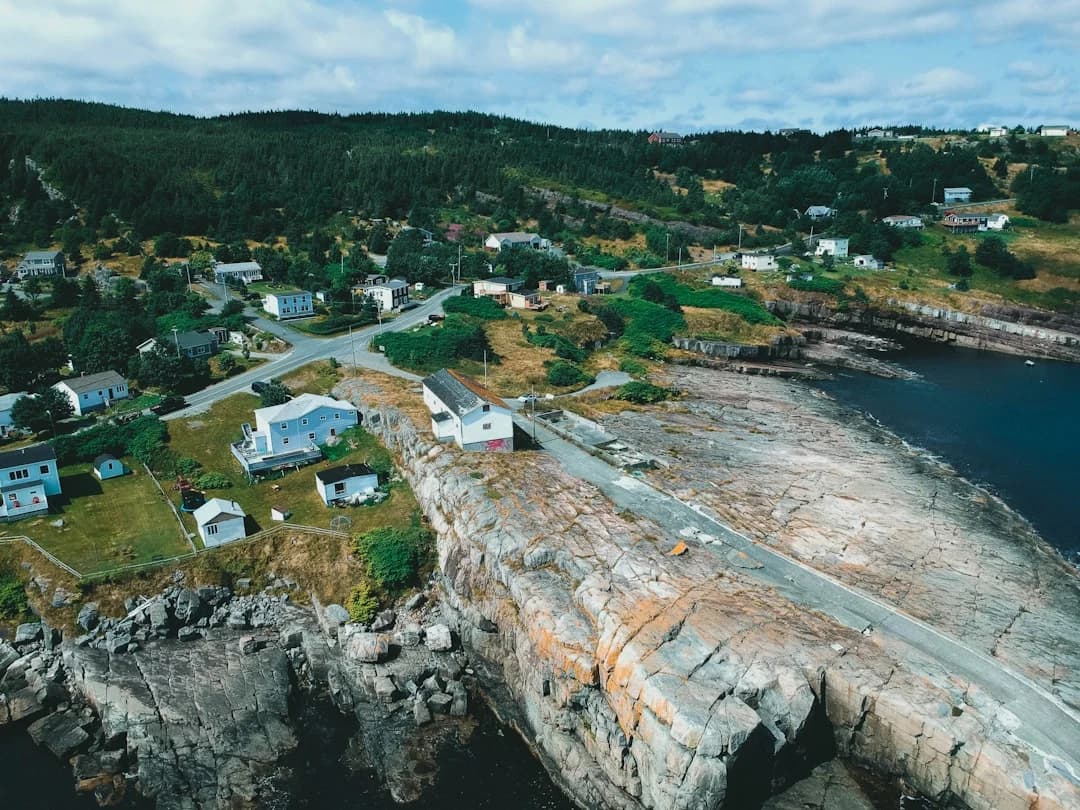
Photo by Jonathan Cooper on Unsplash
Astoria, Queens is at a turning point in 2026, with a wave of new developments, financing commitments, and neighborhood upgrades that together signal a broader Astoria real estate and neighborhood revival 2026. As urban buyers, renters, investors, and local businesses watch the East River’s edge turn from industrial pockets into more densely connected residential corridors, the outcome will shape not just prices but daily life for thousands of residents. This report provides a data-driven snapshot of the year so far, highlighting the newsworthy moves, the economic signals behind them, and the path forward for a neighborhood in transition. The focus remains on technology-driven market trends and the kinds of data that matter to readers seeking clarity in a fast-moving Queens market. The lens of this analysis is Astoria real estate and neighborhood revival 2026, examined through permits, financing, construction activity, price movements, and community choices that govern how the area evolves.
By early 2026, observers and participants in Astoria’s housing ecosystem see a two-track dynamic: on one hand, marquee projects re-enter the city’s ULURP and financing cycles, aiming to reshape blocks along Halletts Point and the Astoria waterfront; on the other hand, steady mid-rise completions and neighborhood-scale amenities are lifting the everyday experience for residents and potential buyers. The combination of large-scale developments and incremental improvements is contributing to a broader narrative of a neighborhood that is neither standing still nor simply following a shortcut to “Manhattanization.” It’s a refinement of the local urban fabric, with data points in pipeline financing, construction milestones, and price signals that readers of Manhattan Monday can use to gauge risk, opportunity, and timing. The publication date context is essential: as of March–April 2026, the market is digesting a mix of delayed megaprojects, newly filed proposals, and a rising cadence of mid-rise housing delivering units across Astoria’s northern and western fronts.
Section 1: What Happened
Development activity and project milestones
Astoria’s development agenda for 2025 into 2026 featured several high-profile moves that signal a continued pivot toward mid- to high-density residential blocks along the East River corridor, combined with selective waterfront ambitions. One of the most notable recent developments involves Astoria Cove, a multiyear project that progressed through a lengthy permitting and financing cycle. In March 2025, KS Group outlined a $1.2 billion construction package for Astoria Cove’s Phase 2 and Phase 3, signaling a robust push to advance phases that would deliver thousands of new housing units in a waterfront setting. Phase 2 was described as including approximately 1,000 residential units, while Phase 3 was projected to deliver around 1,100 units, accompanied by retail and community facilities. The package also included plans for substantial land acquisition and construction loans, underscoring the capital-intensive nature of the project and the confidence lenders placed in Astoria’s evolving market. This development pathway remains central to the broader narrative of Astoria real estate and neighborhood revival 2026, illustrating how large-scale programs can anchor neighborhood growth while influencing adjacent parcels and transit-oriented development. These financing and phasing details were reported by Commercial Observer and echoed by coverage in related trade outlets. (commercialobserver.com)
In parallel, a significant new residential proposal emerged at a more northern edge of Astoria Park’s environs. Queens Post reported in early 2025 that a 26-story mixed-use tower was proposed for the site at 25-02 9th Street, offering dramatic views of the RFK Bridge and positioning the project near Astoria Park as a visual anchor for a revitalized corridor. The plan contemplated hundreds of thousands of square feet of mixed-use space and represented one of several mid- to high-rise initiatives framing the neighborhood’s skyline. This filing illustrated a trend toward taller, more visible structures that aim to attract both residents and retail, while also reflecting the fall 2024–2025 surge in permit activity around several transit-accessible nodes. While proposals are subject to approvals and potential redesigns, the filing itself stands as a concrete milestone in the ongoing Astoria real estate and neighborhood revival 2026 story. (queenspost.com)
Elsewhere along the Halletts Point axis, CityRealty highlighted OpenAire, a development cluster anchored by open waterfront access and a mix of residences with near-waterfront amenities. The OpenAire project family situates prominently in discussions about Astoria’s waterfront redevelopment, signaling a shift toward lifestyle-oriented projects that aim to harmonize high-end living with pedestrian-friendly public spaces. This aligns with a broader emphasis on amenity-rich, transit-accessible housing that urban developers increasingly pursue in Astoria. The OpenAire example helps illustrate how new projects are not merely about density but about creating livable, marketable neighborhoods supported by infrastructure and public realm investments. (cityrealty.com)
In January 2026, New York YIMBY documented a burst of mid-rise construction activity in Astoria, noting five mid-rise residential buildings completing construction in the neighborhood during the month. The report underscored a transition phase in which developers delivered a steady stream of mid-rise product—often in the 7- to 12-story range—along corridors that connect shopping, dining, and subways. The consolidation of these mid-rise projects contributes to a more nuanced, phased form of neighborhood revival that contrasts with earlier, more ambitious megaprojects. The timing and scale of these completions provide a practical, near-term signal of supply growth and integration with the local economy. (newyorkyimby.com)
Another notable thread in 2026 involves Steinway Street and nearby corridors, where a developer introduced a 270-unit plan in a two-building complex near Steinway Street and related blocks. As Crain’s New York Business was cited by Hoodline, the proposal calls for a connected 12-story building paired with a 9-story companion, totaling roughly 310,000 square feet and about 270 dwelling units. This type of project represents a shift toward multi-block, mid-to-high-density housing that leverages existing transit access and commercial corridors to support a more robust local economy. The plan sits within an environment where neighborhood outlets are tracking ongoing permit filings and openings, signaling a predictable, if uneven, pipeline of new housing that will influence prices, rents, and neighborhood character in the months ahead. (hoodline.com)
Facing a broader lens, notes about Innovation QNS reflect how mega-scale ambitions can influence the market even when plans are shelved. In September 2025, QNS reported that the proposed Innovation QNS project—touted as a $2 billion, five-block, mixed-use megaproject along 35th Avenue in Astoria—had been scrapped after developers re-evaluated the scope and pipeline. The decision, described by Queens Borough President Donovan Richards as a missed opportunity, nonetheless did not halt all progress in the neighborhood; instead, it redirected attention to more incremental and financeable efforts at the street and block level. This development arc—from megaprojects cooling to mid-rise and neighborhood-scale investments—offers a concrete case study in how market forces, regulatory processes, and community sentiment interact in Astoria’s current revival. (qns.com)
In adjacent transit-rich pockets, including Halletts Point and the 30th Avenue/ Astoria Boulevard corridor, several permit filings and openings underscored a continued appetite for new residential inventory. For example, the Queens Post reported new five-story residential developments near Mt. Sinai and other nodes with 50-foot-tall footprints and around 6,200 square feet of space. These filings signal that the city’s zoning and permitting environment remains active, enabling a steady stream of smaller-scale projects that complement the larger ventures in the neighborhood. Taken together, these filings illustrate the multi-layered nature of Astoria’s 2026 growth and the broader pattern of growth along Queens’ northern waterfront. (queenspost.com)
Each of these development threads—Astoria Cove’s phased expansion, tall towers near the park, mid-rise completions, and sustainment of smaller projects—contributes to a composite picture of a neighborhood actively rebooting its real estate landscape. The mix of financing, construction progress, and regulatory progression provides a measurable sense of momentum that investors and residents can track. It’s important to note that even as several megaprojects move forward, others face delays or reevaluation, illustrating a balanced but dynamic market where data and timing determine success. The 2026 snapshot, therefore, presents a dual narrative: a built environment expanding with new housing stock and amenities, and a financing environment that remains cautiously optimistic about the long-term resilience of Astoria’s real estate market. This duality is central to understanding the ongoing Astoria real estate and neighborhood revival 2026 story. (commercialobserver.com)
Financing, ownership, and the money behind the move
A crucial dimension of the 2026 activity is financing and ownership structures that support new construction, as well as the willingness of lenders to back sizable projects. The Astoria Cove development, which has faced decades of evolving plans and timing, entered a new phase in 2025 with the announcement of a $1.2 billion construction package for Phase 2 and Phase 3. The package is anchored by multiple construction loans and involves a plan to finalize land purchases and secure long-term debt in the near term. The significance of these financing movements is that they demonstrate lender confidence in the neighborhood’s continued demand, even as macroeconomic and interest-rate volatility plays out. The Commercial Observer’s reporting on the Astoria Cove financing package provides a precise, date-stamped view into the capital structure that undergirds plan progression. This matters for readers analyzing the risk and timing of new supply hitting the market. (commercialobserver.com)

In parallel, the mid-rise wave that New York YIMBY highlighted in January 2026 is often funded through a combination of private equity and construction lending. The five completed mid-rise buildings reflect a trend where developers use modular or standardized mid-rise typologies to manage construction costs, expedite approvals, and bring units to market more rapidly. Given the current financing climate, mid-rise projects can be more predictable in terms of cost and schedule than megaprojects, making them a stable foundation for neighborhood revival. This pattern aligns with broader market observations in Queens and across New York City, where mid-rise product has grown in importance as a fill-in between single-family homes and large towers. (newyorkyimby.com)
On the commercial and productions front, the nearby film and studio ecosystem continues to influence Astoria’s neighborhood revival 2026. The area’s proximity to Kaufman Astoria Studios and related entertainment industry activity has historically supported local employment, service demand, and the attractiveness of living near a dynamic, culturally significant corridor. While large film-related investments in the broader Queens waterfront gained attention in the past decade, the ongoing presence of production facilities remains a factor in both housing demand and neighborhood amenities, including eateries, retail, and childcare or educational facilities serving a growing professional workforce. The Le Monde feature on Astoria’s working-class identity and enduring ties to film underscores the long-standing synergy between creative industries and neighborhood vitality, which remains a qualitative tailwind for real estate resilience in the 2026 period. (lemonde.fr)
Section 2: Why It Matters
Impact on housing supply, prices, and affordability
The 2026 activity in Astoria is shaping the supply side of the market in meaningful ways. The combination of Phase 2 and Phase 3 Astoria Cove development with 1,000 and 1,100 units, respectively, projects a substantial addition to the neighborhood’s housing stock over the next few years. If delivered on schedule, those phases could meaningfully moderate the pace of price appreciation and provide more rental options to a market that has experienced a mix of rising rents and home values. The construction packages and land acquisitions underpinning these phases signal a long-tail pipeline that can influence pricing dynamics for several years, even if corresponding demand fluctuates in the near term. Market observers and data-driven analysts can track the effect by watching absorption rates, vacancy trends, and neighborhood price indices, which are published by major aggregators and local brokerages. (commercialobserver.com)
Recent price data for Astoria in early 2026 suggests continued upward pressure in a neighborhood that has historically traded at premium levels relative to broader Queens. Redfin’s 2026 housing market data shows a median sale price around $1.0 million in February 2026, with year-over-year price increases, indicating a continued appetite for well-located, transit-accessible units. Zestimates and market analytics from Zillow also show strength in the area, though the median list price has reported fluctuations based on inventory levels and the mix of condo versus co-op versus rental product. The combination of new units and rising takeaway demand tends to shift the market toward a more balanced but still competitive posture for buyers and renters. As always with New York City neighborhoods, micro-markets within Astoria can behave differently—blocks near subway stations or waterfront access can command stronger pricing power than others—so readers should watch submarket dynamics in addition to citywide numbers. (redfin.com)
Policy and financing dynamics further influence affordability and housing stability. The cancellation of Innovation QNS—a high-profile megaproject that would have added thousands of units—may have softened the potential supply shock associated with a multi-thousand-unit influx. While not a perfect substitute for a fully realized megaproject, the shift toward mid-rise and block-scale projects presents a more predictable and potentially more market-tolerable pathway to expanding housing stock. The decision to shelve or defer such megaprojects can have a dampening effect on the pace of supply growth, but it can also reduce risk for the local tax base and residents, by avoiding extreme shifts in neighborhood character all at once. Queens Borough President Donovan Richards’s commentary conveyed a measured response to the news, signaling local governance’s interest in balancing housing opportunities with community concerns. (qns.com)
From an economic perspective, the neighborhood’s evolving real estate mix—ranging from waterfront towers to mid-rise blocks and boutique residential clusters—could influence local consumer spending, small business vitality, and school and public service planning. The presence of film and media industries associated with nearby Kaufman Astoria Studios continues to provide a stable employment base that supports household formation and demand for local housing. This is consistent with broader urban development patterns in New York City where entertainment hubs anchor nearby residential growth and contribute to a self-reinforcing cycle of investment in housing, retail, and culture. While citywide affordability pressures persist, the Astoria-specific data indicate a nuanced path: growth in supply tends to accompany rising rents in desirable micro-neighborhoods, while well-planned mid-rise and waterfront-oriented projects can contribute to more diversified pricing outcomes across the borough. (lemonde.fr)
Impacts on residents, businesses, and infrastructure
For current residents, the 2026 revival narrative translates into both opportunities and disruptions. On the positive side, new housing options, better access to transit, and improved public spaces typically accompany neighborhood revival. The development near Astoria Park and Halletts Point—where taller towers and mixed-use nodes are planned or underway—offers potential gains in local tax base and improved street-level amenities, including retail storefronts, dining, and services that serve both newcomers and longtime residents. The ongoing discussions around public realm improvements, green space, and waterfront access align with a broader urban planning objective of designing neighborhoods that support sustainable growth. The CityRealty OpenAire example demonstrates how developers emphasize waterfront access and lifestyle amenities as part of a broader selling proposition in competitive markets. These trends are particularly relevant for readers seeking to understand what the 2026 Astoria revival could mean for local culture, safety, and daily life. (cityrealty.com)

On the business side, a growing supply of new units can create a more complex retail environment. New residents bring demand for groceries, restaurants, and services, which in turn affects small business viability and property values. The interplay between new residents and existing neighborhoods can usher in a renaissance of local dining and retail offerings, as has been observed in other rapidly evolving NYC neighborhoods. Trade press coverage of Astoria’s development cycle—ranging from the commercial financing of large projects to the openings of mid-rise residential blocks—reflects a market-aware approach to how neighborhoods adapt to growth while maintaining essential character. The goal for stakeholders is to balance investment with quality-of-life considerations, ensuring that new residents integrate into the community without eroding the neighborhood’s established identity. (commercialobserver.com)
Infrastructure and transit updates remain a key consideration for 2026. Astoria’s growth, particularly near transit hubs and waterfront corridors, places greater emphasis on improving pedestrian safety, traffic management, and accessibility. The city’s ability to coordinate with developers on street-level improvements—sidewalk widenings, street trees, lighting, and bike lanes—will influence the perceived value and livability of new projects. While the specifics of each improvement plan may vary, opening lines of communication between developers, city agencies, and neighborhood groups remains essential for ensuring that growth translates into tangible quality-of-life wins. The data-driven approach to assessing these changes—coupled with market indicators from Redfin and Zillow—helps readers gauge whether the pace of infrastructure enhancements is keeping up with housing and economic activity in the area. (redfin.com)
Section 3: What’s Next
Timeline and near-term milestones
As of early 2026, Astoria’s trajectory points to a mix of near-term completions and longer-term transformational projects. The five mid-rise buildings completed in January 2026—per New York YIMBY—mark a tangible near-term milestone that demonstrates a steady cadence of product delivery. These completions provide an on-the-ground signal of new housing options available to buyers and renters, with the implication that pricing and competition will adjust in submarkets tied to transit access and waterfront proximity. In parallel, Steinway Street’s 270-unit plan—anchored by a 12-story and a 9-story paired building—points to continued density growth in the neighborhood’s core commercial corridors. The plan’s progress will hinge on permitting, financing, and construction scheduling, but it embodies a consistent 2026 pattern of mid- to high-rise additions spread across Astoria’s northern and western edges. (newyorkyimby.com)
On the financing front, Astoria Cove Phase 2 and Phase 3 remain critical to maintaining a robust pipeline of new housing. The $1.2 billion construction package announced in 2025, along with the anticipated land purchases and debt facilities, provides a framework for project execution in 2026 and beyond. If the financing remains in place and construction proceeds on schedule, the Phases 2 and 3 units could begin closing in late 2026 or 2027, depending on market conditions and regulatory timelines. Readers should monitor Commercial Observer’s coverage for any updates on land acquisitions, loan disbursements, or changes to phasing. (commercialobserver.com)
Infrastructure and waterfront projects also warrant close attention. The 26-story tower near Astoria Park continues to be a focal point for discussions about waterfront density, public access, and traffic. While approvals can be lengthy, the project’s momentum, coupled with a broader wave of mid-rise completions and mixed-use developments, will shape the area’s skyline and street life over the next 12 to 36 months. The Queens Post’s reporting on the tower’s status provides a concrete datapoint for readers watching the neighborhood’s architectural evolution, while the OpenAire open-waterfront initiatives illustrate the ongoing push toward livability upgrades alongside density increases. (queenspost.com)
What to watch for and potential uncertainties
The path ahead for Astoria real estate and neighborhood revival 2026 features a mix of opportunities and uncertainties that readers should track carefully. First, market dynamics remain sensitive to interest rates and macroeconomic cues. Even with a growing supply of new units, buyers and renters remain attuned to financing terms, mortgage rates, and job market stability. The Redfin and Zillow data indicate a healthy appetite for housing in Astoria, but price trajectories will be influenced by the pace of deliveries, a neighborhood’s ability to attract new residents, and competition from other Queens submarkets like Long Island City and certification-driven corridors along the East River. As always, submarket variation will be pronounced; coastal and transit-adjacent blocks can outrun the broader neighborhood average in both price appreciation and rental growth. (redfin.com)

Second, policy and regulatory outcomes will shape the pace and character of new development. The Innovation QNS withdrawal serves as a reminder that ambitious plans can face real-world constraints, including ULURP timelines, community input, and financing realities. While the neighborhood continues to attract projects that align with transit-oriented development principles, occasional headwinds—such as zoning reinterpretations, environmental reviews, or neighborhood opposition—can alter timelines and project scopes. Readers should watch for updates from city planning officials, local elected officials, and developers about any new mega-scale initiatives or shifts in priority, as these could have amplified implications for supply, pricing, and community vibe. (qns.com)
Third, the broader market’s evolution will depend on how developers integrate open spaces, transportation improvements, and local services with new housing. The OpenAire and related waterfront projects illustrate a trend toward immersive, amenity-rich living that emphasizes public space as a core value proposition. If these strategies succeed, Astoria could become even more attractive to professionals seeking a balanced urban life with easy access to Manhattan and Brooklyn via subway and ferry links. Conversely, if public realm investments lag behind density, resident satisfaction could lag behind price gains, highlighting the importance of synchronized urban planning in sustaining long-term revival. (cityrealty.com)
Closing
Astoria’s 2026 story is not a singular headline but a mosaic of projects, financing decisions, and community happenings that together define the neighborhood’s trajectory. The data points—from Phase 2 and Phase 3 Astoria Cove financing to mid-rise completions and new park-adjacent towers—offer a practical framework for assessing risk and opportunity in a dynamic real estate climate. The neighborhood’s revival is anchored not only in the volume of units but in the quality of life improvements, the accessibility of transit, and the vibrancy of street life that these new residents will bring. For readers following Astoria real estate and neighborhood revival 2026, the signal is clear: growth is real, but it is incremental, measured, and intimately tied to how well public and private actors coordinate to maintain livability while expanding housing options.
To stay updated, keep an eye on major development milestones, financing announcements, and permit filings across Astoria’s key corridors—especially near Astoria Cove, Steinway Street, and the Halletts Point waterfront. Local outlets such as Queens Post and Hoodline provide ongoing coverage of permits, filings, and openings, while trade publications like Commercial Observer and New York YIMBY track the financial and construction progress behind the most ambitious projects. Price indicators from Redfin and Zillow can offer near-term directional insight into how the market is absorbing new supply, but readers should interpret these metrics within the broader context of neighborhood, submarket, and project-specific dynamics. The 2026 data points presented here underscore that Astoria’s revival is both real and multi-layered, with a timeline that rewards patience and careful analysis.
As always, this coverage aims to present a balanced, data-driven view of the pace and direction of the Astoria real estate and neighborhood revival 2026, offering clear indicators for investors, homeowners, renters, and local stakeholders navigating a neighborhood that is both anchored in its history and open to thoughtful, purposeful change.