American Express 2 World Trade Center HQ Moves Forward
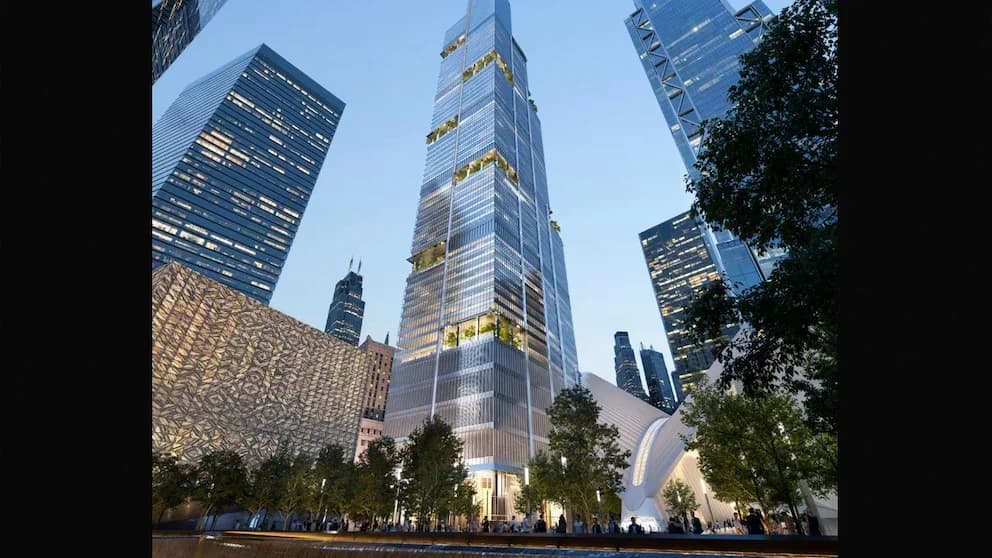
In a landmark move that underscores Lower Manhattan’s ongoing revival, American Express announced on February 25, 2026 that it will build a new global headquarters at 2 World Trade Center in Lower Manhattan. The planned 55-story tower will comprise nearly two million square feet and serve as the company’s sole headquarters, anchoring the final commercial tower of the World Trade Center campus. The project will be developed by Silverstein Properties on land owned by the Port Authority of New York & New Jersey, with Foster + Partners serving as the design architect. Construction is slated to begin in spring 2026 and the building is expected to be completed in 2031. This decision marks a major step in completing a decades-long redevelopment of the World Trade Center site and signals a strong commitment to New York City’s financial and corporate ecosystem. The move also reinforces a broader confidence in Downtown Manhattan as a hub for corporate headquarters and mass-talent employment, even as the office market continues to adapt to hybrid work patterns. (governor.ny.gov)
American Express 2 World Trade Center HQ represents a historic inflection point for the company and the city. The headquarters will occupy the entire 2 World Trade Center site at 200 Greenwich Street, with capacity to host up to 10,000 colleagues across flexible, modern workspaces designed to foster collaboration and innovation. The project is planned to deliver significant economic benefits to the city and state, including more than 2,000 union construction jobs and roughly 3,200 total New York City jobs over the course of the project, along with an estimated $5.9 billion in New York City economic impact and $6.3 billion to the state economy. The building’s design emphasizes sustainable, fully electric operation and advanced smart-building technology, with outdoor terraces and landscaped gardens to improve the work environment. Importantly, the project will be funded without state or city subsidies or land incentives, reflecting a private-sector-led investment aligned with the Port Authority’s land-use framework. (governor.ny.gov)
The formal announcement notes that the new headquarters will be developed on land owned by the Port Authority and leased under a long-term ground lease, with Larry Silverstein as the developer and Foster + Partners as the design architect. The project’s scope also includes a broader push to complete the World Trade Center campus, complementing existing anchors like One World Trade Center, the 9/11 Memorial & Museum, and the transit hub. Governor Hochul framed the move as a centerpiece of New York’s economic vitality, highlighting thousands of jobs and substantial economic impact as the state and city look to strengthen downtown’s long-term appeal. The governor’s office emphasized that groundbreaking is anticipated in spring 2026, with occupancy expected after a lengthy construction period. >“Building 2 World Trade Center will bring another iconic skyscraper to Lower Manhattan, create thousands of good-paying union jobs and provide billions in economic benefits to New Yorkers,”(governor.ny.gov) and American Express’ leadership underscored the project as a long-term investment in the company’s future and its workforce. (governor.ny.gov)
Section 1: What Happened
Announcement Details
Groundbreaking and site context
- Groundbreaking for American Express 2 World Trade Center HQ is expected to occur in Spring 2026, with construction commencing soon after the announcement date of February 25, 2026. The tower will be built on the northeastern corner of the World Trade Center site, at 200 Greenwich Street, and will be privately financed without public subsidies or incentives. This aligns with the Port Authority’s land-use framework and the Silverstein Properties development plan for the final commercial tower of the campus. (governor.ny.gov)
Building scope and occupancy
- The new global headquarters will span nearly two million square feet across 55 floors, with capacity to host up to 10,000 colleagues in a modern, flexible workspace designed to encourage collaboration and well-being. The building will be wholly owned and occupied by American Express, replacing the company’s long-time presence at 200 Vesey Street in Lower Manhattan. The project’s scale and ownership structure reflect a long-term commitment to the neighborhood. (governor.ny.gov)
Timeline and completion target
- Construction is anticipated to be completed in 2031, marking a final major milestone in the World Trade Center redevelopment. The timeline positions American Express to join the likes of other major employers that have anchored and renewed confidence in Lower Manhattan’s office market. The 2031 completion target has been corroborated by multiple official sources, including state government and corporate statements. (governor.ny.gov)
Key participants and design approach
- Developer: Silverstein Properties, a long-time partner in the World Trade Center project ecosystem; Land ownership and lease arrangements will be administered under Port Authority governance. Design Architect: Foster + Partners, whose design emphasizes a 55-story silhouette with landscaped terraces and integrated outdoor space. The project embraces fully electric, energy-efficient systems and aims for LEED certification, signaling a commitment to sustainability alongside a modern, employee-centric work environment. (governor.ny.gov)
Economic and community impact
- The state government projects substantial economic impact: more than 2,000 union construction jobs and 3,200 total NYC jobs during the project’s duration, with an estimated $5.9 billion contribution to the city’s economy and $6.3 billion to the state economy. The announcement also reiterates the project’s role in sustaining Lower Manhattan’s growth trajectory and its broader urban-redevelopment narrative after years of disruption and recovery. (governor.ny.gov)
Local and national reception
- The plan was met with positive reception from local and state leaders, who framed the project as a testament to New York’s resilience and a catalyst for regional economic activity. Governor Hochul described the development as a landmark milestone that will reinforce Lower Manhattan as a hub for commerce, transit, culture, and community, while American Express executives highlighted the opportunity to reimagine a modern workplace aligned with the company’s long-term goals. Quotations from the governor and company leadership emphasize the event’s significance within a broader recovery narrative for the city’s central business district. (governor.ny.gov)
Section 2: Why It Matters
Impact on Lower Manhattan and the broader market
Economic vitality and job creation

Photo by Juan Carlos Ramirez on Unsplash
- The implementation of American Express 2 World Trade Center HQ is framed as a major economic catalyst for Lower Manhattan. The project projects thousands of jobs—both construction and long-term office roles—along with billions of dollars in macroeconomic contributions to New York City and New York State. The explicit figures (2,000 union construction jobs; 3,200 total NYC jobs; roughly $5.9B NYC and $6.3B NYS impact) underscore the scale of the investment and the anticipated multiplier effects on local suppliers, transit usage, and urban services. (governor.ny.gov)
Real estate and urban development context
- The development completes the World Trade Center campus, a cornerstone of Lower Manhattan’s post-9/11 redevelopment. By anchoring the final commercial parcel, American Express 2 World Trade Center HQ helps stabilize an area that has evolved into a diverse business district with a strong mix of transportation connectivity, cultural amenities, and corporate tenants. The announcement positions Downtown Manhattan as a premier hub for global headquarters in a post-pandemic office market, which has been characterized by gradual return-to-work patterns and renewed corporate confidence. (apnews.com)
Corporate strategy and regional implications
- For American Express, the move consolidates the company’s leadership presence in New York City and signals long-term commitment to a Manhattan-centric corporate footprint. The ownership model—AmEx owning the building and leasing the land from the Port Authority—aligns with a strategic approach to real estate risk and asset management, particularly in a market where anchor tenants can influence leasing rates, occupancy costs, and neighborhood demographics. The plan’s financing approach—no public incentives—reflects a private-sector-led approach consistent with the city’s push to attract high-profile corporate headquarters without relying on public subsidies. (apnews.com)
Public policy and urban resilience context
- The project is a high-profile example of urban resilience and public-private collaboration in a major city environment. The partnership among American Express, Silverstein Properties, Foster + Partners, and the Port Authority demonstrates how a flagship corporate HQ can align with infrastructure investments (transit, pathways, and open spaces) to reinforce a city’s competitiveness on the global stage. The government briefings emphasize that this investment will bolster New York’s status as a global financial center while contributing to the city’s sustainable development goals. (governor.ny.gov)
Who is affected and how
Employees, contractors, and local workers
- For current and prospective AmEx colleagues, the move promises a purpose-built campus in a highly connected, walkable area with extensive outdoor spaces and modern amenities. The project’s design emphasizes employee well-being and collaboration, reflecting broader trends in workplace design that favor flexible layouts, health considerations, and access to green spaces. In addition to direct employment, the project will generate thousands of construction jobs across unions and related trades, with ripple effects across the local labor market. (governor.ny.gov)
Local businesses and the real estate ecosystem
- A new corporate HQ of this scale typically reverberates through the local economy: increased daytime population, enhanced demand for retail and service offerings, and potential shifts in leasing dynamics for nearby office assets. While the press materials highlight the completion of the World Trade Center campus, observers will watch how the AmEx project interacts with neighboring towers, transit ridership, and ancillary development in the surrounding Financial District and Tribeca corridors. (apnews.com)
Transportation and infrastructure
- The World Trade Center campus is a transportation nexus, with the new headquarters expected to leverage existing transit access and contribute to residential and visitor traffic. While specific transportation investments tied to the project are not enumerated in the primary releases, the project’s location and scale position it as a key driver of future transit demand planning alongside ongoing Lower Manhattan infrastructure improvements. (governor.ny.gov)
Section 3: What’s Next
Timeline, milestones, and watch points
Construction start and continuity

Photo by Vladislav Klapin on Unsplash
- Groundbreaking is scheduled for spring 2026, with actual construction beginning in short order after the announcement. This marks a resumption of activity on the World Trade Center site’s final commercial plot and will be a critical milestone for Silverstein Properties, Foster + Partners, and the Port Authority as they coordinate construction logistics, permitting, and financing. The spring 2026 start aligns with the momentum in Lower Manhattan’s development pipeline. (governor.ny.gov)
Design evolution and sustainability targets
- The project design—led by Foster + Partners—emphasizes a fully electric, energy-efficient building with extensive terraces and outdoor spaces, reflecting a growing emphasis on sustainable, high-performance office campuses. The LEED-certification path reinforces a broader industry shift toward green building standards in large-scale corporate HQ projects. Observers will monitor any design refinements or updates as construction progresses and as the team integrates site constraints and evolving ESG expectations. (governor.ny.gov)
Occupancy plan and relocation of Vesey Street operations
- American Express will relocate its global headquarters from 200 Vesey Street to the new 200 Greenwich Street address (2 World Trade Center site). The company anticipates welcoming colleagues to the new building in 2031, with the Vesey Street location retained until the project’s completion. This transition period will be a focus for talent management, IT infrastructure migration, and facilities planning teams. (governor.ny.gov)
Economic and policy milestones
- The project’s economic and policy milestones—such as job creation numbers and statewide economic impact—will be tracked as part of ongoing state and city economic development reporting. Government officials have highlighted billions in economic impact, which will be revisited in quarterly and annual updates as construction advances and occupancy approaches. (governor.ny.gov)
Closing
American Express 2 World Trade Center HQ represents a defining moment for Lower Manhattan’s evolution as a global corporate hub. With groundbreaking anticipated in spring 2026 and completion projected for 2031, the project integrates a private-sector-led investment with a landmark public infrastructure framework to advance the World Trade Center campus’s final chapter. The 55-story, nearly two-million-square-foot tower at 200 Greenwich Street will position American Express as the anchor tenant and owner of the final core asset in the rebuilt complex, signaling long-term confidence in New York City’s ability to attract and retain premier global brands. As the city tracks the project’s progress, observers will look for how the building interacts with the surrounding real estate market, transportation networks, and broader economic development strategy for Downtown Manhattan. Readers should stay tuned for updates from American Express, Silverstein Properties, Foster + Partners, and the Port Authority as milestones unfold over the coming years. For ongoing coverage, monitor official statements from Governor Hochul’s office and primary project partners, which will provide the clearest, most authoritative timelines and impacts. (governor.ny.gov)