Urban Life NYC 2026 Day-In-The-Life: Tech & Markets
Discover Urban Life NYC 2026 in a day-in-the-life exploration, showcasing data-driven technologies and market trends shaping Manhattan's future.
 By
By 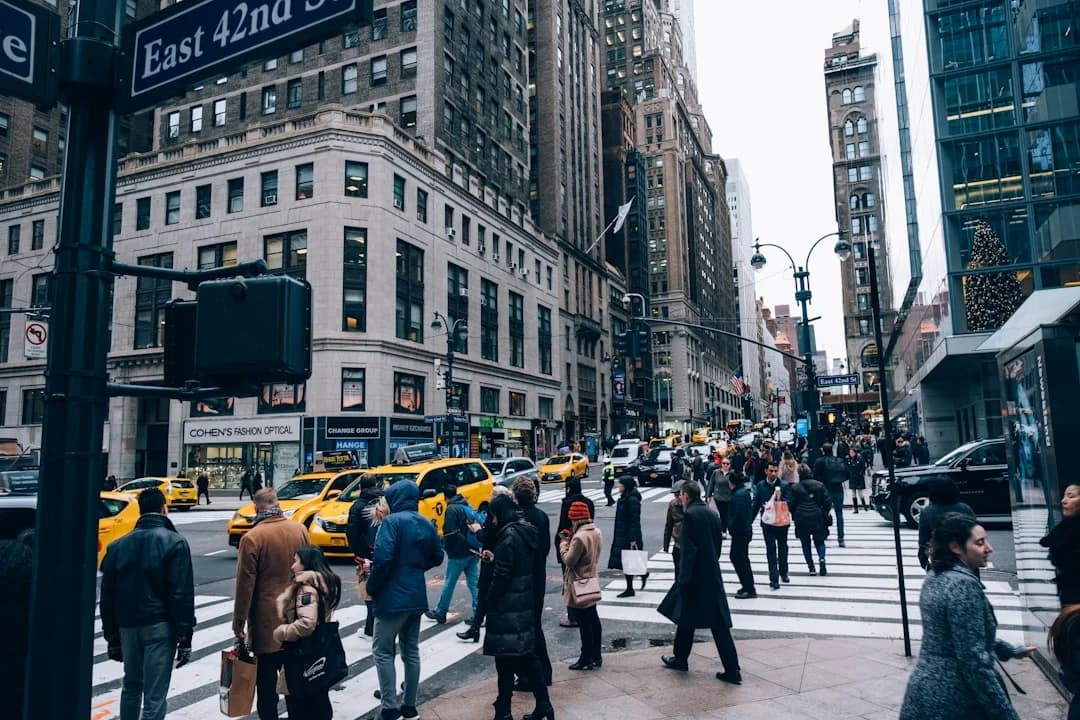
In 2026, Manhattan embodies a city-wide experiment in data-driven urban living, where technology, infrastructure upgrades, and policy shifts collide to redraw the daily rhythms of residents. The concept of a typical day in the city—from first light on the Lower East Side to late-night gallery openings in Chelsea—is increasingly defined by smart street sensors, high-capacity transit upgrades, and city-led initiatives to widen access to digital services. The latest developments are not isolated incidents; they form a coherent pattern that illuminates how urban life can be shaped by deliberate, numbers-driven planning. This article—centered on the keyword Urban Life NYC 2026 Day-In-The-Life—provides a data-backed view of what’s changing, who it affects, and what readers should watch for as the year unfolds. (nyc.gov)
Across the five boroughs, the day-in-the-life experience of New Yorkers is increasingly integrated with city data streams. On June 2, 2026, the New York City Department of Transportation announced a bold expansion of street activity sensors intended to count pedestrians, cyclists, buses, and vehicles, with the aim of informing safer street design and more efficient mobility. The expansion will bring sensors from 20 pilot locations up to roughly 100 sites citywide, creating a continuous, privacy-protected data set that informs decisions about crosswalk timing, loading zones, and transit access. This move illustrates how urban life in 2026 relies on real-time feedback loops between observation and action, a hallmark of a data-driven city environment. (nyc.gov)
In parallel, major transit modernization efforts are altering the reliability and cadence of daily commutes. Siemens Mobility, partnering with L.K. Comstock and under the auspices of the MTA, was awarded a contract in 2026 to digitalize signaling on one of NYC’s busiest corridors—the Fulton-Liberty Lines—using CBTC technology to support train headways as tight as 90 seconds in peak periods. The initiative is designed to boost capacity, reduce waiting times, and future-proof a decades-old network, underscoring how technology is transforming the core of urban life: getting people where they need to be, faster and more predictably. The project is part of a broader signal modernization push that includes upgrading interlockings, installing 5G-based wireless communications, and integrating new maintenance and operational capabilities across the network. (press.siemens.com)
Congestion pricing remains a central, data-backed policy lever shaping the 2026 urban experience. January 5, 2025 marked the first cordon-based congestion pricing rollout in the United States, with tolls designed to reduce vehicle trips in Manhattan’s Central Business District and to fund transit improvements. Early data and subsequent analyses have documented faster travel times, improved transit ridership, and broader economic effects, though the policy continues to generate debate about regional impacts. A 2025 digest from the National Bureau of Economic Research and related analyses have highlighted shifts in traffic speeds, with speeds in the CBD improving relative to before, and subway and bus ridership showing gains in the initial months after implementation. This program’s ongoing evolution continues to influence the daily routines of commuters, delivery workers, and service providers alike. (nber.org)
Beyond mobility, the city’s digital access and sustainability initiatives are also shaping the urban day. On Earth Day in April 2026, the Mamdani Administration released the NYCHA Sustainability Agenda, outlining five-year targets to upgrade heating, cooling, stoves, and building efficiency across public housing, along with a broader push to expand solar incentives and charging infrastructure. The plan signals a citywide commitment to reducing energy costs and environmental impact while improving residents’ quality of life—an important element of the day-in-the-life for thousands of New Yorkers living in NYCHA properties. Meanwhile, the Public Advocate’s May 2026 proposal to deliver citywide internet access as a municipal utility signals a longer-term bet on universal digital connectivity, particularly for residents who may be cost-burdened by private providers. The Internet For All plan emphasizes a pathway to affordable, reliable service through a public infrastructure approach, potentially altering households’ daily routines and their relationship to work, education, and civic life. (nyc.gov)
Section 1: What Happened
Sensor Deployments Expand Citywide
Since June 2, 2026, NYC DOT has expanded its street activity sensors to roughly 100 locations citywide, building on a 2023 pilot program that replaced manual counts with continuous digital monitoring. The new sensors will track pedestrian and cyclist movements, vehicle speeds, and turning patterns, generating data that informs street redesigns, safety improvements, and transit access. Data governance emphasizes privacy—video is processed in real time and discarded, with only anonymized counts retained. The expansion is designed to provide a richer, more granular picture of street use across diverse corridors, from busy commercial districts to quiet residential streets. This data is intended to guide decisions about where to add crosswalks, adjust signal timing, and reallocate street space to support safer, more efficient mobility for all users. (nyc.gov)
Transit Modernization Advances
In 2026, the Metropolitan Transportation Authority (MTA) accelerated its modernization through signaling upgrades and a long-term maintenance framework. Siemens Mobility, in collaboration with L.K. Comstock, secured a nearly $390 million contract to install advanced CBTC signaling along the Fulton-Liberty corridor, encompassing 23 stations and 65 track kilometers. The Trainguard MT system enables trains to operate with tighter headways—potentially down to 90-second intervals—while integrating 5G-based wireless communications to support real-time train control. The project is part of a broader effort to modernize signaling across the network and to prepare the system for future demand and operational resilience. The work is paired with ongoing capital plans that emphasize upgrades to power supply, facilities, and passenger information systems, aiming to deliver more reliable service for millions of riders. (press.siemens.com)
Congestion Pricing Rollout and Early Impacts
Congestion pricing began in January 2025, with tolls designed to charge vehicles entering Manhattan’s CBD during peak periods. Early reports, including media coverage of the rollout and subsequent analyses, indicate improvements in travel speeds within the congestion-pricing zone, along with a boost in transit ridership in the initial eight weeks of the policy. The NBER digest and NYC Comptroller assessments show a pattern of increased CBD traffic speeds and a measurable uptick in subway and bus usage, reflecting a shift in travel behavior and mode choice among urban residents and workers. In fact, early data suggests that trips into and through the CBD became faster on average, with significant gains during peak periods, and that overall transit ridership rose in the months after implementation. The policy’s revenue is intended to support substantial capital investments in the city’s transit system. (nber.org)
Section 2: Why It Matters
Mobility, Safety, and Quality of Life

Photo by Mike Chavarri on Unsplash
The sensor expansion and transit upgrades are not merely tech showpieces; they are foundational to changing how New Yorkers move through the city daily. Real-time data on how people walk, bike, take transit, and drive informs street design choices that can reduce conflict points, improve safety, and increase accessibility. The privacy-focused approach—where video data is processed and discarded while anonymized patterns are retained—helps balance transparency with civil liberties, ensuring residents’ daily experiences can be optimized without compromising personal privacy. The Fulton-Liberty signaling upgrade directly targets reliability and capacity, reducing wait times and enabling more predictable travel for residents who previously faced variability in service and reliability. Taken together, these initiatives are strategically linked to the city’s broader goal of maintaining a competitive, livable urban core that supports a growing population and a dynamic job market. (nyc.gov)
The congestion pricing program also touches on public health and environmental outcomes. Early assessments show improvements in traffic speeds and, in some cases, reduced emissions in the CBD, with a shift in travel modes that includes an uptick in transit use. While there is debate about distributional effects and regional economic impacts, the program is generating a rigorous data stream that policymakers and researchers can use to calibrate future adjustments. The NBER digest and NYC Comptroller analyses provide an evidence base for evaluating the policy’s effectiveness, complementing journalist and advocacy perspectives and helping readers understand what the numbers imply for everyday life in the city. (nber.org)
Digital access and sustainability initiatives have broad social and economic implications. The NYCHA Sustainability Agenda signals a deep, system-wide upgrade of public housing infrastructure, with modern heating and cooling, induction stoves, energy-efficient lighting, and expanded solar incentives. These upgrades are expected to lower utility costs for residents and improve indoor air quality and comfort—a direct impact on the daily comfort and health of thousands of New Yorkers. The Public Advocate’s Internet For All plan suggests a potential city-wide municipal broadband framework designed to close digital divides and ensure affordable access to the internet for all residents, which could influence education, remote work, and civic engagement across all five boroughs. In a city that already depends on digital connectivity for work, commerce, and culture, these steps are central to how urban life unfolds in 2026. (nyc.gov)
Economic Impacts and Workforce Shifts
The combination of mobility improvements, infrastructure upgrades, and digital access initiatives is shaping the city’s economic landscape. Congestion pricing, by providing a stable revenue stream for transit investments, is positioned to support the modernization needed to keep the city’s economy competitive as it grows. Early data indicates a boost in subway and bus ridership, which, in turn, can influence business activity, retail foot traffic, and overall productivity. The MTA’s modernization program—by increasing the reliability and frequency of service—also has implications for labor markets, commuting patterns, and the distribution of job opportunities across neighborhoods. The NYC Comptroller’s AI-focused report further emphasizes the potential for transformative productivity gains from AI adoption in the local economy, as policymakers consider contingency planning for revenue shifts and workforce transitions. Together, these pieces underscore a city navigating technological disruption with an eye toward resilience and inclusive growth. (comptroller.nyc.gov)
The data-driven approach to urban economics is also reflected in the city’s public disclosures about population dynamics and housing. The April 2025 NYC Comptroller outlook notes that Manhattan experienced the strongest rebound in population among boroughs after pandemic-era declines, while rental costs continued to rise citywide, underscoring the ongoing tension between housing affordability and a vibrant urban economy. These trends matter for readers who are evaluating the practical implications of technology-enabled urbanization, such as where to invest, live, or build new services. As urban life in 2026 becomes more data-informed, readers can expect that policy choices—ranging from street design to broadband subsidies—will be increasingly tied to measurable outcomes rather than anecdotes. (comptroller.nyc.gov)
Infrastructure as a Strategic Asset
The modernized signaling on the Fulton-Liberty Lines and the city’s sensor network both serve a broader narrative: infrastructure quality is a strategic asset in urban life NYC 2026 day-in-the-life. When transit reliability improves, when streets respond to actual usage patterns, and when digital access is more equitably distributed, the city’s ability to attract talent, support businesses, and maintain a high standard of living improves. The Siemens CBTC deployment is a concrete example of how public-private collaboration can deliver tangible improvements in capacity and reliability, while the MTA’s ongoing signaling upgrades align with a long-term plan to sustain a world-class transit system amid rising demand. These upgrades are not only about efficiency; they shape the day-to-day experiences of commuters, workers, students, and visitors who rely on rapid, predictable, and safe movement through a dense urban environment. (press.siemens.com)
Section 3: What’s Next
Upcoming Milestones and Timelines
Looking ahead, the city plans to continue expanding the sensor network through 2026 and 2027, using data to refine street safety projects, optimize bus and bike lane placements, and further integrate with transit operations. The June 2026 NYC DOT release indicates a path to scale data-driven decisions, including more precise signal timing and street-space allocation. The Fulton-Liberty CBTC upgrade is expected to deliver ongoing improvements in capacity and reliability, with maintenance and support arrangements designed to sustain performance over a 25-year horizon. As these technical projects progress, readers should monitor updates from NYC DOT and MTA for new milestones, including when additional corridors are brought onto CBTC signaling and how data from the sensor network informs new street design pilots across neighborhoods. (nyc.gov)
Policy and Investment Outlook
Policy and investment decisions will continue to shape the day-in-the-life of urban New Yorkers. Congestion pricing will remain a focal point of debate as the city assesses its long-term impact on traffic patterns, business activity, and transit funding. Early results suggest meaningful improvements in CBD speeds and transit ridership, but policymakers will need to address distributional effects and cross-county spillovers as the program evolves. Additionally, plans around municipal broadband—Get Connected: Internet For All—will likely drive future investments in fiber, conduit infrastructure, and access programs designed to close digital gaps. The Public Advocate’s plan outlines a multiyear path from near-term conduit management and procurement steps to longer-term citywide builds, signaling how digital infrastructure could influence work and education for decades to come. As readers follow these developments, they should track official briefings and independent analyses for early indicators of policy effectiveness and equity outcomes. (cbsnews.com)
Closing
The convergence of data-enabled street design, transit modernization, and digital access initiatives is reshaping Urban Life NYC 2026 Day-In-The-Life. The city’s approach—anchored in real-time observation, rigorous evaluation, and a willingness to invest in forward-looking infrastructure—points to a future where daily routines are more efficient, safer, and more inclusive. Readers should expect ongoing releases of new data from NYC DOT, periodic updates on MTA signaling projects, and further policy experimentation in areas like congestion management and municipal broadband. For residents, workers, and visitors, the net effect is a city that uses information to reduce friction in daily life while expanding opportunities to participate in the urban economy. The story of New York in 2026 is a story about how data, policy, and technology come together to shape the everyday experiences of millions of people who call the city home. (nyc.gov)
Photo by KEITH WONG on Unsplash