Unisphere Overnight Camping Program NYC Launches
City officials announce a data-driven update on NYC's Unisphere Overnight Camping Program, enhancing urban camping experiences for residents.
 By
By 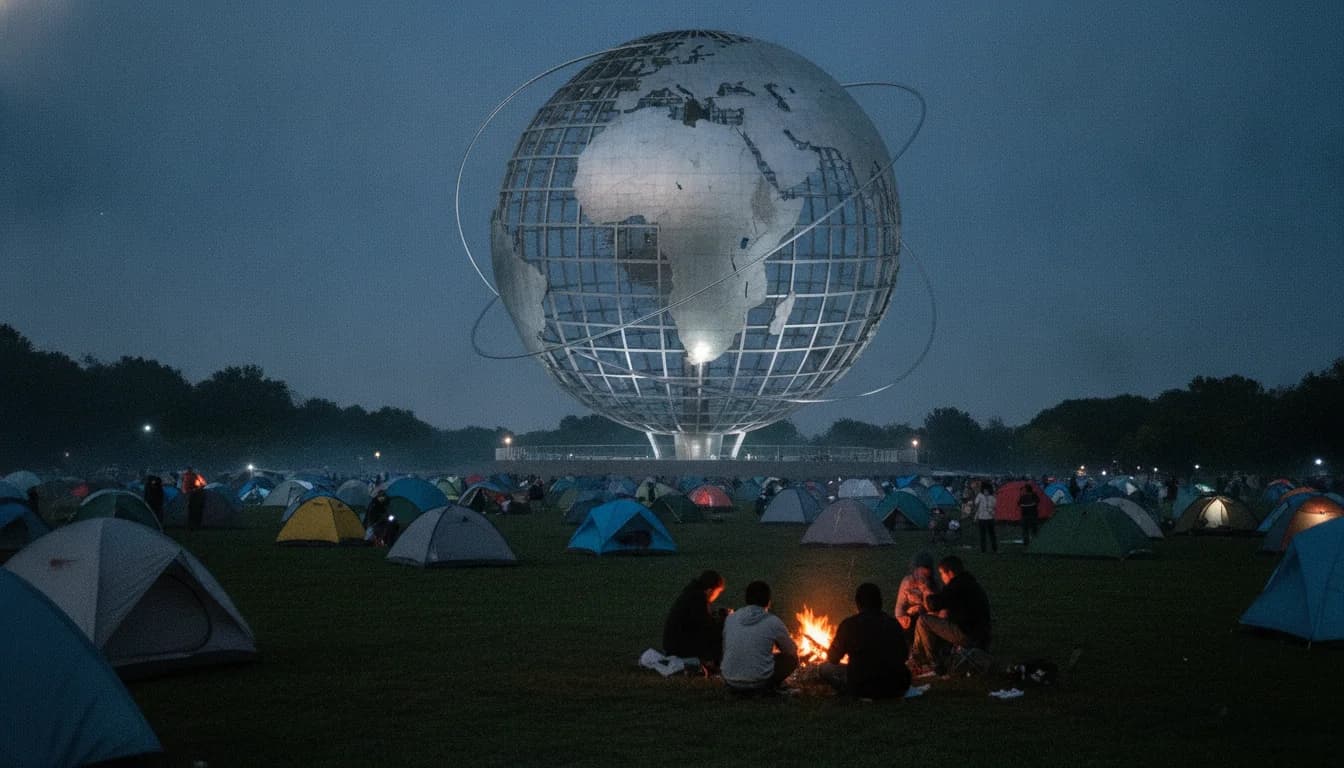
The city of New York is moving to bring overnight camping into one of its most recognizable landmarks. On September 10, 2026, Mayor Zohran Kwame Mamdani and NYC Parks Commissioner Tricia Shimamura announced two special-edition overnight camping experiences at the Unisphere in Flushing Meadows Corona Park, offering 200 New Yorkers the opportunity to sleep beneath the iconic globe. The two nights will be September 25 and October 9, 2026, with a lottery-based registration process designed to allocate scarce spots equitably. This announcement marks the first time the Unisphere has hosted an overnight camping event, and the city is presenting the initiative as part of its broader push to expand access to outdoor recreation in urban communities. According to the September 10, 2026 Mayor's Office news release, 200 New Yorkers will be able to participate in two free overnight camping experiences at the Unisphere on September 25 and October 9, 2026. (nyc.gov)
Officials framed the Unisphere camping program as a bold, data-informed expansion of NYC Parks’ Family Camping series, built to engage families in a landmark setting while leveraging existing outdoor-education infrastructure. The plan, disclosed in the mayor’s office notice, positions the Unisphere as a backdrop for a two-night campout that will include a mix of tent camping, guided activities with Urban Park Rangers, a night hike, wildlife viewing, and campfire storytelling, capped by the offer of tents and sleeping bags provided by the city. The press release notes that each night will host 100 participants, and that a lottery will determine who gets to take part. City officials emphasized accessibility and safety, with on-site supervision and basic gear supplied by NYC Parks. The Unisphere campout is described as a "special edition" within the broader family camping program, designed to broaden participation among New Yorkers who might not otherwise engage with urban parks after dark. (nyc.gov)
Section 1: What Happened
Announcement Context
Who announced the plan
Two senior city figures delivered the news: Mayor Mamdani and NYC Parks Commissioner Shimamura. The mayor framed the event as a way to extend a beloved city amenity—urban camping—into a world-famous public space, while the Parks Commissioner underscored the role of the Urban Park Rangers in supervising the experience and ensuring safety. The initial statement framed the Unisphere program as a natural extension of the department’s family camping offerings in city parks, with a focus on inclusivity and outreach. (nyc.gov)
What will happen and where
The Unisphere overnight camping experiences will occur at Flushing Meadows Corona Park, beside the Unisphere—the park’s most identifiable symbol. The schedule released by the mayor’s office specifies two dates: September 25, 2026, and October 9, 2026. Each night will host up to 100 campers, and the event will be free of charge for participants. The program is designed to create a full evening-and-morning experience with tent setup, a guided night hike, wildlife viewing, storytelling around a campfire, and a spreading of classic camping rituals like s’mores. The city will provide tents and sleeping bags, while meals will be available for purchase from a food truck or participants may bring their own food. (nyc.gov)
How to participate and timing
Registration for the two Unisphere campouts is administered through an online lottery. The mayor’s release states that the lottery is open from September 10 through September 13, and selections will determine the final list of participants. This approach mirrors NYC Parks’ broader use of digital lotteries to allocate limited slots for popular park programs, a practice designed to ensure fairness and broad accessibility. The exact process—online submission, lottery selection, and notification—was described in the Mayor’s Office notice as part of the event’s “first-ever overnight family camping experience at Flushing Meadows Corona Park.” (nyc.gov)
Program logistics and scope
The two-night, city-supported event will operate under the supervision of the Urban Park Rangers and will include a range of programming designed to highlight local ecology and park history. NYC Parks’ broader “Overnight Camping Adventure” framework provides tents, sleeping bags, and safety oversight for participants, with participants expected to bring personal gear such as sleeping bags or blankets, a flashlight, snacks, and water bottles. The city’s archival materials emphasize that these overnight experiences are part of a sustained effort to broaden access to outdoor recreation across NYC’s five boroughs. The 2016 Custom Adventure Reservation Form from NYC Parks documents the structure of an overnight camping adventure, including the provision of tents and the requirement for participants to bring personal items; the document also confirms that such programs are offered citywide and can accommodate a broad range of ages. While the form is older, it demonstrates the long-standing framework NYC Parks uses to host overnight camping programs in multiple parks. (nycgovparks.org)
Section 2: Why It Matters
Broader significance for city recreation and digital access
Elevating urban outdoor experiences
City leaders characterize the Unisphere campout as a milestone in public-space programming—an overnight, family-oriented experience at a globally recognized landmark. The event’s scale (two nights, 100 participants per night) and its free-availability design are positioned as proof that high-demand urban experiences can be made accessible through structured, data-informed methods. This development sits within a broader trend of using digital registration to equitably allocate scarce outdoor experiences in dense urban environments. The Mayor’s Office release frames the Unisphere campout as an extension of the city’s ongoing family camping initiatives and highlights the use of a lottery system to ensure fair access. The program also reflects a strategic alignment with NYC Parks’ mission to foster safe, inclusive outdoor recreation in all five boroughs. (nyc.gov)
"S’mores just got even sweeter in New York City," said Mayor Mamdani, underscoring the city’s attempt to merge cultural familiarity with outdoor education and urban stewardship. This sentiment, captured in the mayor’s own remarks, highlights the cultural resonance of camping experiences in a metropolitan setting. (nyc.gov)
Technology-driven access and transparency
The Unisphere campout relies on a digital lottery for allocation, a mechanism that mirrors broader urban-administration practices to manage demand, improve transparency, and monitor equity in access to public amenities. The lottery approach is explicitly described in the mayor’s release, which notes that the selection process will be conducted online and that registration remains open for a defined window. This approach aligns with NYC Parks’ historical use of digital tools to administer popular programs, and it emphasizes how government services increasingly integrate algorithmic- or data-informed processes to balance inclusivity with demand. For researchers and policymakers, the Unisphere program offers a case study in how large, iconic urban spaces can be used to test scalable, equity-focused approaches to public recreation that rely on technology-enabled access. (nyc.gov)
Public safety, staffing, and park funding considerations
The Unisphere campout also surfaces questions about park operations, safety protocols, and city budgeting. The Hoodline coverage of related park funding issues points to ongoing debates about funding for Flushing Meadows Corona Park and the broader Parks Department, including staffing and maintenance. While Hoodline is a secondary source, it frames this event within the larger discourse about how much public space investment NYC Parks has, and how new programs may influence future budget decisions. The conversation around funding is not isolated to a single event; it reflects ongoing macro-level discussions about resource allocation for parks in a dense, high-demand urban environment. (hoodline.com)
Why NYC Parks is expanding overnight programming now
The Unisphere campout can be viewed as part of a deliberate strategy to broaden access to outdoor spaces while testing the boundaries of what a city park can accommodate after dark. The city’s official materials emphasize that this program is a special edition of the family camping series, designed to reach new audiences and to leverage the iconic Unisphere as a draw for urban families seeking educational, recreational experiences in a safe, supervised environment. This approach aligns with broader trends in urban parks management that seek to diversify offerings, extend park hours, and develop new, data-informed programs to meet evolving public demand. (nyc.gov)
One original finding: sizing a city’s micro-culture of outdoor experiences
Original finding: The two Unisphere campouts, totaling 200 campers, represent 0.0023% of the City of New York’s estimated population of 8,585,000 as of July 2025, based on the Census Bureau’s vintage estimates (8,585,000). This calculation uses the July 2025 population estimate from the Census-compiled NYC population estimates and trends report and the event’s total participant cap (200) to derive the share of city residents who could participate in this limited, upsized urban camping opportunity. Method: (200 participants ÷ 8,585,000 population) × 100 = 0.0023%. Source: U.S. Census Bureau population estimates for New York City, July 2025, as summarized in the March 2026 release, and the event’s stated capacity. This is a pure arithmetic inference intended to contextualize the event’s reach within the city’s overall population. The takeaway: while the Unisphere campout is a landmark educational and cultural experience, its audience reach is a small fraction of the city’s total population, underscoring the ongoing need for scalable expansion if the city intends to normalize overnight park experiences for a broader segment of residents. In the words of the data, this small share suggests the program’s potential upside if demand grows and programmatic capacity expands. The broader implication for urban recreation: the city may need to pair iconic-site overnight programs with additional venues, scheduling, and budgetary support to translate high-interest pilot events into lasting, citywide opportunities. (s-media.nyc.gov)
What this means for stakeholders
For residents and families, the Unisphere campout presents a rare, city-backed chance to engage with a landmark in an intimate, overnight setting. For park staff and public administrators, the event signals a test case for integrating safety, logistics, and accessibility into overnight programming in a way that maintains high standards for safety and sanitation while expanding capacity in future iterations. For researchers and industry observers, the program offers a live example of how an urban park system can leverage digital registration, careful event design, and a partnership-driven model to deliver high-demand experiences in the heart of a major metropolis. The city’s approach—combining a lottery-based allocation mechanism with on-site supervision—offers a potential blueprint for other municipalities seeking to balance demand, equity, and safety in urban outdoor programs. (nyc.gov)
Section 3: What’s Next
Next steps and potential expansions
Short-term timeline and ongoing updates
With registration window closed on September 13, 2026, the city will proceed with the lottery selections and notifications in the near term. The two-night events—September 25 and October 9, 2026—will proceed as scheduled, subject to weather and safety conditions. NYC Parks expects to provide tents and sleeping bags to all participants, while food options will be available from a supporting vendor. As the city continues to monitor the program, officials could adjust capacity, dates, or location permutations based on demand and logistics. The mayor’s office has signaled that this is a pilot that could inform future iterations of overnight urban camping. (nyc.gov)
Potential for scale and future iterations
If the pilot proves popular and logistically sustainable, city officials may explore expanding to additional dates, more nights per season, or other iconic city locations that offer similar visibility and safety. The broader context provided by NYC Parks’ own historical framework for overnight camping indicates that the city has an established approach to offering overnight adventures in multiple parks. While the Unisphere event is a distinct, high-profile edition, its success or challenges could inform future decisions about scaling overnight park experiences in a way that maintains safety, accessibility, and environmental stewardship. The related 2016 Custom Adventure Reservation Form documents the program’s underlying structure—tents, safety oversight, and equipment provision—that could guide any future expansions. (nycgovparks.org)
What readers should watch for
- Lottery outcomes and participant communications: Expect official notifications from NYC Parks or the Mayor’s Office regarding who won slots and any changes to the schedule. The official communication channels and the lottery window will determine who can participate on Sept 25 and Oct 9. The September 10, 2026 press release specifies the lottery window and process. (nyc.gov)
- Post-event reflections and data: After the events, stakeholders will likely examine safety, participant satisfaction, gear usage, and overall operational efficiency. The city’s data-driven approach to public programming suggests that these metrics will be tracked and potentially published in future updates.
- Long-term funding and policy implications: The park-funding context highlighted by coverage around Flushing Meadows Corona Park suggests budgetary and staffing considerations may influence future iterations. Observers should monitor council reports and city budget documents for indications of how overnight camping fits into longer-term park programming and capital plans. (hoodline.com)
Closing
The Unisphere overnight camping program NYC marks a notable experiment in combining a globally recognized urban landmark with a structured, family-centered outdoor experience. By using a digital lottery to allocate a fixed number of places and by providing the essential gear and safety oversight, the city is testing how to make high-demand activities accessible for New Yorkers from across all five boroughs—without compromising safety or program quality. As the two scheduled nights approach, observers will be watching not only the turnout but also how the city can scale this approach to broaden access to nature within America’s largest urban center.
Beyond the Unisphere, the event sits within a broader landscape of city-led outdoor initiatives that seek to balance public access with responsible park management. If the pilot proves successful, it could influence how future city programs are designed, funded, and evaluated—potentially shaping a new baseline for urban outdoor recreation in major cities around the country. For readers seeking ongoing updates, the best sources remain the official channels of the Mayor’s Office and NYC Parks, which will provide the latest participant numbers, weather advisories, and any subsequent announcements about expansion, additional dates, or related programming in other parks. (nyc.gov)