Public Art Is Quietly Rewriting How Neighborhoods Are Valued
Explore a data-driven analysis of Public Art as a Catalyst for boosting NYC Neighborhood Value, reshaping both local communities and markets.
 By
By 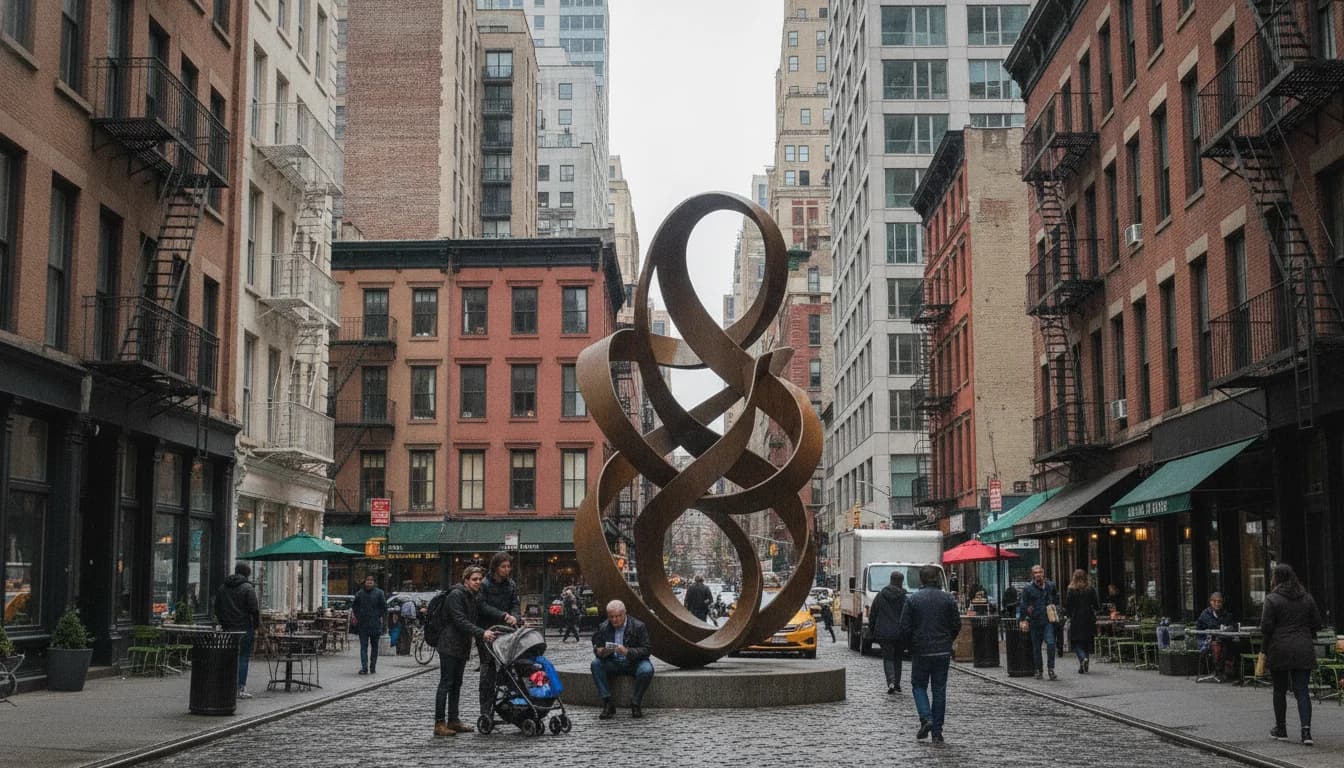
Public Art as a Catalyst for NYC Neighborhood Value is more than an aesthetic upgrade; it’s shaping how New York City neighborhoods are perceived, how pedestrians move through streets, and how investors weigh future development. On August 3, 2026, Manhattan Monday reports a citywide push to weave art into everyday urban experience through City Canvas, Chinatown Gateway initiatives, and large-scale public art installations that accompany major construction projects. The overarching aim is to blend culture, commerce, and civic space in ways that are measurable, data-driven, and equity-focused. In practical terms, the programs announced and underway reflect a broader strategy: use public art to stimulate neighborhood vitality, support local businesses, and create visible, culturally resonant landmarks that residents and visitors alike can rally around. This approach—Public Art as a Catalyst for NYC Neighborhood Value—has real implications for foot traffic, street-level commerce, and long-run neighborhood trajectories, even as it remains grounded in the city’s established public art mandates and funding mechanisms.
The immediate signal from city agencies is clear: public art will be deployed in tandem with infrastructure and neighborhood enhancements, not as a separate add-on. On June 12, 2026, the Department of Buildings and the NYC Department of Cultural Affairs released two new sidewalk shed designs as part of a permanent City Canvas program. The move demonstrates how temporary construction enclosures can become canvases for commissioned artworks, converting potentially unsightly barriers into everyday cultural touchpoints. The City Canvas program, launched as a permanent initiative in 2024, enables building owners to host commissioned artworks on temporary structures during construction, broadening access to public art and expanding artists' opportunities to engage the public. This development is part of a larger, ongoing commitment to neighborhood-based cultural activity and urban improvement, and it provides concrete evidence of the city’s intention to fold art into the fabric of daily life rather than keep it within closed galleries or private spaces. This is a practical, scalable model of Public Art as a Catalyst for NYC Neighborhood Value, with implications for pedestrian experience, retail vitality, and residential desirability. (ebs.publicnow.com)
Beyond the sidewalk shed initiative, the city’s public-art work spans neighborhood scale projects that are already in motion or being prepared for rollout. The Chinatown Gateway, part of the Chinatown Connections initiative, has moved from concept to a formal invitation for design partners. In May 2025, NYC’s Department of Cultural Affairs (DCLA) and the NYC Economic Development Corporation (NYCEDC) issued an open call for artists to design a landmark Welcome Gateway for Chinatown, signaling the city’s intent to create a culturally resonant entry point that can anchor pedestrian flows, tourism, and local commerce while reflecting community identity. The gateway concept, still actively in the design and selection process, illustrates a core pattern: public art investments are being matched with neighborhood branding and infrastructure planning to drive broader neighborhood value over time. This is an example of how Public Art as a Catalyst for NYC Neighborhood Value can unfold through targeted, place-based installations that align with economic development goals. (nyc.gov)
In parallel, large-scale public-art deployments tied to major redevelopment and infrastructure projects are being highlighted as anchors of neighborhood value creation. The Willets Point development, for instance, showcases a 600-foot public art installation intended to tell immigrant stories, a centerpiece in a project with a sweeping economic and community-building agenda. The city’s release notes that this effort includes substantial civic investments—new public spaces, a public school, a hotel and retail elements—along with hundreds of millions in economic impact figures and tens of thousands of jobs in the broader metropolitan context. While the Willets Point project sits in Queens, its scale and the City Canvas framework illuminate how NYC public art programs are designed to integrate with large-scale development to produce visible improvements for nearby residents and businesses and to attract visitors to nearby neighborhoods. These elements collectively signal how Public Art as a Catalyst for NYC Neighborhood Value can manifest as both cultural recognition and concrete economic opportunity. (nyc.gov)
Section 1: What Happened
City Canvas Expansion Details
A permanent platform for art on construction sheds
From a policy and implementation perspective, City Canvas represents a structured way to channel public art into the city’s ongoing construction narrative. The City Canvas guidelines specify that artworks must align with site conditions, permit requirements, and safety standards, while offering artists an open pathway to showcase work along temporary structural enclosures. The program’s status as a formal, long-term fixture—evolving from a pilot to a citywide permanent offering—was documented in city communications and later reflected in the 2025-2026 regulatory and budget materials. In practical terms, this means more surfaces for public art within daily commutes, more consistent access to art in varied neighborhoods, and clearer oversight and evaluation mechanisms to track community impact. Observers note that the approach supports local artists while providing the public with accessible cultural experiences during construction cycles, which can otherwise disrupt street life. The applicable site guidelines and the formal City Canvas site indicate how artists submit work, how projects are reviewed, and how installations are maintained. The ongoing evolution of City Canvas is a tangible example of how a city can fuse culture and construction to enrich street life and, potentially, neighborhood value. (nyc.gov)
Implementation cadence and early pilot sites
In 2024 the city rolled out the City Canvas program in collaboration with the Department of Buildings and other agencies, with early pilot sites featuring pre-approved artworks on scaffolding and sheds around City offices and other civic spaces. By late 2025, several pre-approved artworks—by artists such as Lauren Camara, Dennis RedMoon Darkeem, Bayeté Ross Smith, and Zazu Swistel—had been installed at the DCLA offices at 31 Chambers Street, illustrating how the program moves from concept to visible, on-street experience. The cadence from pilot to expanded deployment demonstrates a deliberate approach to scale, with lessons learned from early sites informing broader rollout across flagship corridors in Manhattan and other boroughs. This progression matters for neighborhood value, as consistent public-art presence alongside ongoing construction can transform street-level experiences and impression of a neighborhood over time. (home4.nyc.gov)
Chinatown Gateway open call and community integration
The Chinatown Gateway project—designed to become a defining entrance for one of NYC’s most dynamic neighborhoods—unfolds as a multi-stakeholder process. The open-call process in May 2025 brought in artists, designers, and community organizations to propose gateway designs that honor neighborhood history while signaling future potential. This process reflects a broader policy intent: leverage art to foster place identity, attract visitors, and stimulate local businesses. The official call for artists and related design briefs emphasize collaboration with local stakeholders, ensuring that the gateway becomes a latticework of cultural meaning that can anchor neighborhood value while aligning with city-mandated safety and accessibility requirements. The Chinatown Gateway project is a concrete example of how Public Art as a Catalyst for NYC Neighborhood Value can be deployed to deliver not only aesthetics but also perception-driven economic benefits through enhanced neighborhood branding. (nyc.gov)
Willets Point: a large-scale public-art centerpiece with collateral impacts
A centerpiece of the current wave of public-art investment is the Willets Point project, which features a 600-foot public art installation designed to illuminate immigrant stories and connect residents with new civic and commercial opportunities. The city’s briefing materials describe a multi-faceted development plan—new schools, public space, retail and hospitality components, and a dedicated park—that collectively aim to catalyze investment and create a more vibrant neighborhood life. The anticipated economic impact is substantial, with projections of billions of dollars in impact and thousands of local jobs, underscoring how large-scale art initiatives can be allied with infrastructure and economic development to create a broader sense of neighborhood value. While Willets Point sits in Queens, the scale and the coordination between the City Canvas program, cultural programming, and neighborhood-facing development illuminate how public art initiatives can function as cross-borough catalysts for urban vitality. (nyc.gov)
Section 2: Why It Matters
Pedestrian Experience and Street Life
Art-enabled streetscapes and daily rhythms
A core rationale behind City Canvas and related initiatives is to improve the pedestrian experience during construction, turning what could be a nuisance into an opportunity for public interaction with art. The phenomenon of transforming sidewalk sheds and fences into art has been documented as part of a broader urban design strategy that seeks to maintain or even improve street-level foot traffic during disruptive construction periods. In practice, pre-approved artworks brighten the sidewalk, invite lingering, and create micro-attractions that encourage window shopping, casual dining, and local commerce. The public-facing nature of these installations means residents and visitors encounter art as part of everyday life, not as a separate cultural event. Analysts note that such experiences can translate into longer street visits, increased open hours for adjacent businesses, and a more favorable perception of the neighborhood. While these effects can be nuanced and vary by neighborhood, the City Canvas approach provides a replicable template for how art can accompany urban work without sacrificing vitality. The program’s emphasis on safety and accessibility, paired with civic engagement mechanisms, helps ensure that the benefits accrue broadly across communities. (nyc.gov)
Equity considerations and community engagement
Public Art as Community Engagement (PACE), a NYC initiative linked to DCLA’s broader public-art strategy, emphasizes direct collaboration with neighborhoods, particularly around representation, equity, and diverse voices. PACE projects rely on artist-led interventions and convenings to build authentic partnerships with communities affected by public-art projects. This approach aligns with the broader goal of ensuring that neighborhood value is distributed more equitably, not concentrated among a small subset of properties or investors. By foregrounding community voices and accessible public art, NYC’s public-art strategy seeks to create social value that translates into economic and experiential value for neighborhoods. The PACE framework offers a model for how cultural programming can be folded into urban development in a way that supports local residents while still encouraging broader participation in city life. (nyc.gov)
Economic Development, Property Values, and Market Dynamics
The link between public art, open spaces, and value
Scholarly and policy-oriented work has documented the ways in which urban design amenities and open spaces—whether green infrastructure like the High Line or open-space art installations—can influence property values and neighborhood desirability. While results vary by context and methodology, there is a consistent thread: features that improve the streetscape, provide cultural experiences, and reduce barriers to pedestrian movement can contribute to higher perceived value and potentially higher demand for nearby real estate and retail. NYC-based studies and cross-city analyses have shown that well-designed urban amenities correlate with positive market signals in certain neighborhoods, especially when paired with other improving factors such as transit access, safety, and a diversified local economy. These findings inform the city’s approach to public art as part of a broader neighborhood-value strategy, with the caveat that outcomes depend on a range of concurrent variables. (sciencedirect.com)
The role of public art within broader development programs
Public-art initiatives often operate alongside housing, transportation, and commercial development. The Willets Point project’s scale and the Chinatown Gateway’s branding-oriented design brief illustrate how art can be used strategically to signal a neighborhood’s growth trajectory and cultural vitality. In practice, art installations can serve as visible, low-friction signals to potential investors and residents that an area is undergoing transformation, even as the exact economic outcomes depend on a constellation of factors, including policy environment, market conditions, and the mix of amenities offered. The city’s communications about City Canvas and related programs consistently frame public art as part of a holistic strategy to sustain neighborhood-level momentum, rather than as a standalone exhibit. This framing matters for readers evaluating market trends and for stakeholders weighing long-term investment decisions. (nyc.gov)
Equity, Access, and Public Value Metrics
Measuring public art’s impact beyond aesthetics
A growing body of work emphasizes that evaluating public art’s value requires more than counting installations or tourist visits. Key dimensions include accessibility, community satisfaction, and measurable changes in street life and business performance. NYC’s public-art programs have begun to articulate evaluation frameworks that account for community engagement, equity outcomes, and design quality, in addition to traditional metrics like attendance or press coverage. While concrete, city-wide metrics are still evolving, the emphasis on data-driven assessment aligns with Manhattan Monday’s editorial stance: neutral, evidence-based analysis of how technology and market trends intersect with urban culture. As the city expands City Canvas and advances neighborhood gateways, expect ongoing reporting on how these initiatives affect pedestrian flows, retail vitality, and residents’ sense of belonging. (nyc.gov)
The Tech and Data Dimension
How data informs art-led urban strategies
Technology and data are increasingly used to plan, monitor, and adapt public-art programs. From open data dashboards to participatory design processes and digital mapping of pedestrian traffic, the data dimension helps city agencies tune art deployments to maximize place-based value. NYC’s approach to City Canvas and related initiatives reflects a commitment to using data and community feedback to steer installations, manage safety, and optimize the interplay between art, construction, and commerce. In recent years, the city has emphasized the alignment of cultural programming with infrastructure projects, a strategy that relies on cross-agency collaboration and public input. This is a practical example of how technology and data-driven governance can support Public Art as a Catalyst for NYC Neighborhood Value by making art installations more relevant, responsive, and scalable. (nyc.gov)
Section 3: What’s Next
Timeline, Next Steps, and What to Watch For
Short-term milestones (2026–2027)
City agencies indicate a continuing cadence of City Canvas activations, gateway design progress, and related public-art deployments in the coming months. The Chinatown Gateway project is actively moving through design decisions and community consultations, with expectations of continued artist opportunities and design partner selections through late 2026 and into 2027. In addition, the city intends to roll out additional sidewalk shed artworks as part of the permanent City Canvas program, including new surface treatments, artist commissions, and partnerships with local neighborhoods. Observers should watch for official updates from DCLA and NYCEDC, which typically accompany each round of approvals, site permits, and artist announcements. The goal is to maintain momentum while ensuring accessibility, safety, and community engagement remain core to each project. (nyc.gov)
Medium-term impacts and indicators
As these art deployments mature, indicators of impact will likely include pedestrian footfall patterns near active projects, changes in ground-floor retail activity, and shifts in brand perception for adjacent neighborhoods. The city’s ongoing releases on public-art initiatives, including City Canvas, provide a framework for assessing these outcomes in a structured way, combining qualitative community feedback with quantitative data such as foot traffic, business opening/closing rates, and local tax-revenue signals tied to commercial activity. The literature on urban amenities and value suggests that, when thoughtfully integrated with transit access and safety improvements, public art can contribute to a more favorable neighborhood image and a more resilient local economy—though results will always reflect a neighborhood’s broader development context. For readers tracking market trends, keep an eye on annual city cultural and development reports, as well as independent analyses of arts-driven urban regeneration. (sciencedirect.com)
What’s Next for the Reader: How to Engage and Stay Informed Residents, business owners, and investors should monitor official channels for City Canvas updates, Chinatown Gateway progress, and related public-art announcements. The City Canvas site provides guidelines, pre-approved portfolios, and application details for artists seeking to participate in future installations, and ongoing calls for projects in different neighborhoods are typically announced through the DCLA press office and the NYCEDC channel. Community boards, BIDs, and neighborhood associations are also valuable venues to learn about upcoming installations, participate in design dialogues, and understand how each project is expected to fit into broader neighborhood development plans. Staying engaged in these processes can help ensure that the public-art program serves both cultural objectives and neighborhood value goals in a way that reflects community priorities. (nyc.gov)
Closing
In NYC, Public Art as a Catalyst for NYC Neighborhood Value is being advanced through coordinated city programs, community engagement, and a structured approach to art in public spaces. The ongoing City Canvas effort, the Chinatown Gateway design process, and the Willets Point installation illustrate a multi-borough strategy that treats art not as decoration but as a lever for urban vitality. As these programs unfold, Manhattan Monday will continue to report with data-driven context, highlighting how installations, design choices, and community partnerships translate into tangible outcomes for neighborhoods, businesses, and residents. For readers seeking timely updates on these developments, follow the DCLA and NYCEDC press pages and keep an eye on City Canvas site announcements, gateway design reviews, and construction-project public-art integrations across the five boroughs.