Pop-Up Gastronomy Clusters Are Reshaping Dining Districts
Explore a neutral, data-driven analysis of Pop-Up Gastronomy Clusters in NYC and their tech-driven impact on reshaping dining districts.
 By
By 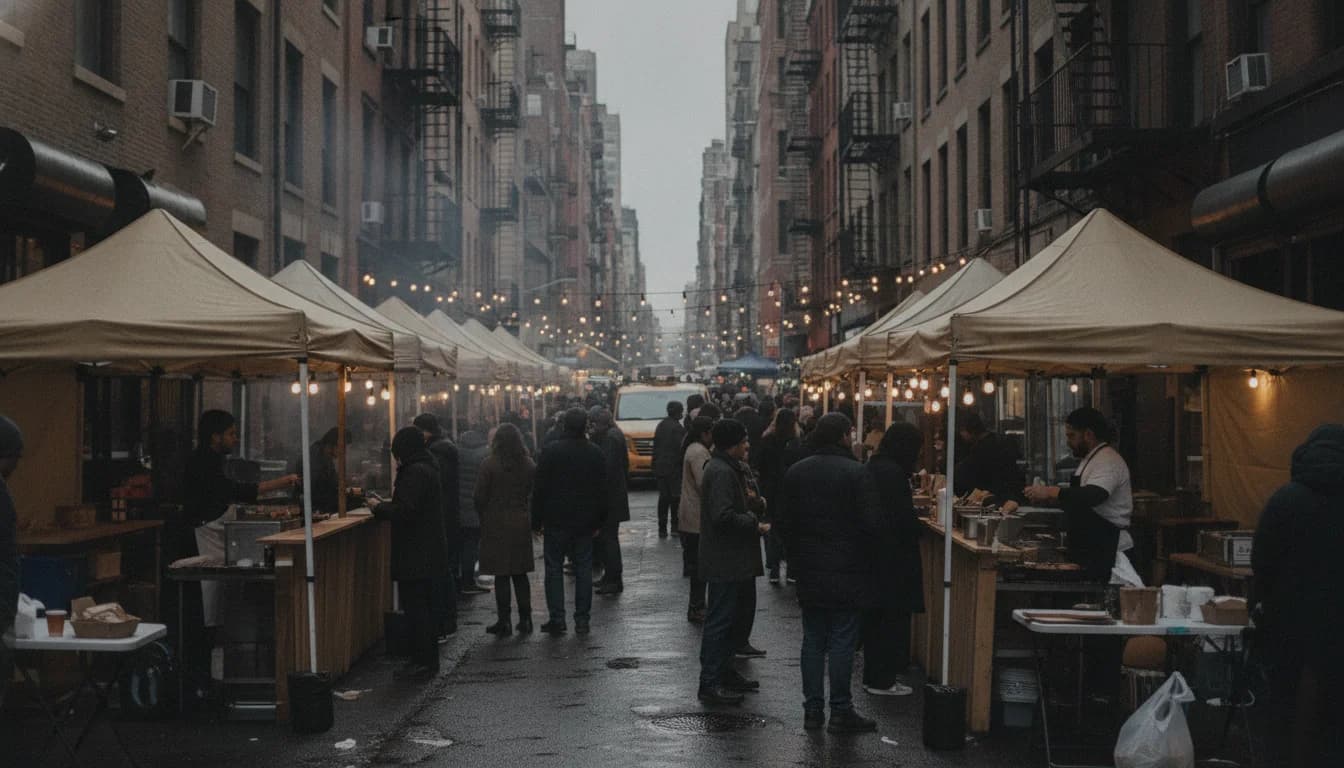
New York City is currently witnessing a notable shift in how culinary experimentation is organized and experienced. The phenomenon, increasingly described in trade coverage and data-driven urban analyses as Pop-Up Gastronomy Clusters NYC, depicts temporary dining concepts clustered within defined corridors and neighborhoods. This approach has emerged as a way to accelerate concept testing, diversify offerings, and gauge neighborhood demand without committing immediately to full-scale brick-and-mortar footprints. Observers note that the trend aligns with broader themes in experiential dining, technology-enabled operations, and strategic use of space in a city where real estate is precious and consumer curiosity is high. As the city moves further into 2025 and into 2026, data-driven narratives are framing Pop-Up Gastronomy Clusters NYC as not just a novelty but a reproducible model for how urban food ecosystems can function under shifting economic and policy conditions. This report synthesizes available data, policy signals, and market observations to deliver a neutral, analytic view of what’s happening, why it matters, and what could come next.
Analysts and city officials alike point to a coordinated set of factors enabling this transformation. First, there is a growing infrastructure around temporary dining formats, including shared kitchen spaces, street-facing pop-ups, and dedicated corridors that enable operators to test menus, service models, and supply chains with reduced capital exposure. This development is echoed in recent data-driven analyses that highlight the rising prominence of corridors and pop-up clusters as mechanisms for rapid experimentation, neighborhood exploration, and resilient local economies. The emphasis on data-backed decision-making is central to the narrative, as operators seek to understand which cuisines, formats, and hours maximize engagement while sustaining quality and safety standards. For readers of Manhattan Monday and other industry outlets, the trend is moving from episodic pop-ups to more structured clusters that function like mini-districts for culinary experimentation, with technology serving as a connective tissue between operators, suppliers, and customers. (manhattanmonday.com)
The policy backdrop remains a critical driver. City programs that support outdoor dining, flexible use of curbside space, and pop-up initiatives create a more hospitable environment for ephemeral gastronomy. In New York City, recent official updates underscore a continued commitment to enabling pop-up experiences while balancing safety, accessibility, and urban flow. For example, municipal communications emphasize the ongoing viability of outdoor dining configurations and the use of public-rights spaces to host temporary food concepts, which in turn expands the practical footprint for Pop-Up Gastronomy Clusters NYC. These policy signals are complemented by private-sector and civic partnerships seeking to preserve vibrancy in neighborhoods, provide shelter for small operators, and maintain food access during periods of market volatility. The convergence of policy support with market readiness is a recurring theme in the coverage of 2025–2026, reinforcing the view that the phenomenon is durable rather than a passing fad. (nyc.gov)
This piece treats Pop-Up Gastronomy Clusters NYC as a data-informed development in which technology, space utilization, and culinary experimentation intersect with urban policy and neighborhood dynamics. The sources informing this narrative include city announcements, industry analyses, and contemporary reporting on pop-up culture in New York City. Notably, data-driven assessments published in 2026 describe a city steadily integrating pop-up gastronomy into its urban fabric, with corridors and temporary kitchens becoming an accepted mechanism to trial concepts before committing to longer-term real estate decisions. The takeaways here are intended to be practical for operators, policymakers, investors, and residents who want to understand the implications of this trend without hype. (manhattanmonday.com)
What Happened
Announcement Details Pop-Up Gastronomy Clusters NYC emerged as a term used by industry observers to describe a growing pattern in which temporary culinary concepts coalesce within defined geographies. The reporting and data signals indicate that this is not a single event but a coordinated movement supported by tech-enabled operators, shared-kitchen networks, and corridor-oriented space planning. In May 2026, analysts tracking urban dining ecosystems highlighted a noticeable uptick in ventures that leverage clustered formats to accelerate learning, validate concepts, and prepare for scale if a concept proves viable. The May 3, 2026 snapshot anchored a broader discussion about how New York City’s dining landscape is evolving toward more modular, test-driven approaches. This is the kind of shift that industry watchers identify as a possible precursor to longer-term changes in neighborhood culinary offerings and real estate use. (manhattanmonday.com)
Timeline and Evolution The arc of this development appears to run through the mid-2020s, with a particular emphasis on the convergence of three elements: (1) physical density of pop-up activity in defined streets or districts, (2) the use of shared or modular kitchen spaces to lower entry costs for operators, and (3) digital platforms that connect operators with ingredients, suppliers, and customers in real time. Reports indicate that the trend gained traction as operators sought faster routes to market in a post-pandemic context, where experimentation and adaptability became valued as much as culinary originality. While precise dates for every milestone are not uniformly documented across sources, the pattern described by Manhattan Monday and related coverage consistently points to an active period in 2025 and 2026, marked by an emphasis on data-driven decision-making and the gradual layering of pop-up experiences into neighborhood-level clusters. (manhattanmonday.com)
Key Participants and Locations Industry observers note that Pop-Up Gastronomy Clusters NYC involve a mix of operators, venue partners, and service platforms that enable temporary concepts to launch with speed and lower risk. Among the enablers cited in reporting are shared-kitchen networks, modular dining installations, and street-facing activations that attract foot traffic and generate iterative feedback. In addition, city programs that recognize and facilitate pop-up activities—such as municipal efforts to support pop-up dining and related food-access initiatives—are part of the ecosystem. Examples of tech-enabled platforms that support pop-up activity include digital services that provide real-time updates on pop-ups, menus, and locations, helping residents and visitors discover new culinary experiments in their neighborhoods. While these platforms and programs are described in various outlets, they are presented as components of a broader trend rather than a single, centralized program. (joinpoppedup.com)
Why It Matters
Economic and Market Implications From a market perspective, Pop-Up Gastronomy Clusters NYC represent a staged investment model for culinary entrepreneurship. By clustering concepts in targeted corridors and using shared kitchen and service resources, operators can reduce upfront capital, test multiple concepts in a compressed timeframe, and learn from near-term customer feedback. Data-driven observers point to the potential for faster concept validation, more diverse culinary offerings across neighborhoods, and more resilient local economies through iterative experimentation. The approach may also create a more dynamic competitive landscape in which traditional permanent restaurants must differentiate through experience, efficiency, and scalability. While precise impact metrics are not fully disclosed in public data, the convergence of policy support, digital platforms, and modular spaces is positioned to influence how new food businesses enter the market, how menus evolve, and how customers discover and engage with ephemeral dining experiences. (manhattanmonday.com)
Neighborhood and Community Impacts Neighborhoods hosting pop-up clusters can experience perceptible shifts in foot traffic, local commerce, and cultural vitality. Pop-up corridors often concentrate activity into walkable zones, potentially increasing spillover benefits for nearby retailers and transit hubs while also presenting challenges related to crowd management and noise. Community stakeholders and city agencies monitor these dynamics to maintain balance between economic opportunity and quality-of-life considerations. In addition to economic effects, there is a social dimension: pop-up gastronomy clusters can expand access to diverse cuisines and create space for culinary experimentation that might otherwise struggle to find a permanent home. The broader policy environment—emphasizing accessibility, safety, and inclusive food access—helps shape whether these clusters enhance neighborhood appeal or raise concerns about congestion and resource allocation. (nyc.gov)
Technology’s Role in Enabling Clusters Tech is not merely a support function in Pop-Up Gastronomy Clusters NYC; it is a strategic enabler that shapes how quickly ventures can form, test, and adapt. Digital platforms provide discovery and scheduling capabilities, while data analytics helps operators measure demand, optimize menus, and adjust pricing dynamically. Platforms that focus on pop-up discovery connect curious diners with limited-time experiences, reinforcing the cycle of supply and demand in near real time. The technology layer also supports compliance and safety workflows, from supply-chain traceability to health inspections, helping operators maintain standards while operating in ephemeral spaces. This tech-enabled ecosystem reduces friction for new entrants and allows operators to pivot quickly based on observed patterns. The result is a more fluid and responsive dining landscape in which pop-up concepts can emerge, be refined, and potentially scale. (joinpoppedup.com)
What It Means for Policy and Practice For policymakers, the emergence of Pop-Up Gastronomy Clusters NYC highlights the opportunity to use temporary dining formats as a way to stimulate local economies, test urban space usage policies, and support small operators. At the same time, there is a need to balance innovation with safety, accessibility, and neighborhood livability. The city’s ongoing support for outdoor dining and flexible use of roadways demonstrates an align-and-monitor approach: enable experimentation while maintaining oversight to ensure consistent safety and quality standards. For operators, the clustered approach offers a pathway to market entry that mitigates risk and provides a proving ground for new ideas, cuisines, and service models. For residents and visitors, clusters can offer curated, contextually rich dining experiences that reveal the evolving flavors and cultural expressions of New York City. (nyc.gov)
Section 2: Why It Matters (continued)
Comparative Context: Traditional Districts vs Pop-Up Clusters
To understand the significance of Pop-Up Gastronomy Clusters NYC, it helps to compare traditional dine-in districts with the clustered, ephemeral model. Traditional districts often rely on long-lead investments, fixed layouts, and a slower feedback loop between diners and operators. In contrast, pop-up clusters leverage modular spaces, shared kitchens, and rapid iteration cycles that allow operators to test multiple cuisines and concepts within a concentrated geographic area. This can yield richer, more frequent feedback loops and a broader experimentation surface for culinary talents who might otherwise struggle to secure traditional retail space. Observers note that the outcome may be a more diverse local food ecosystem, with a higher density of culinary ideas per square mile and more opportunities for cross-pollination with adjacent businesses, arts, and culture. It is not a guarantee of success for every concept, but it represents a new form of market testing that aligns with tech-enabled, data-driven decision-making. (eater.com)
Cultural and Experiential Dimensions
Beyond economics, Pop-Up Gastronomy Clusters NYC are part of a broader cultural shift toward experiential dining. Consumers increasingly seek immersive experiences, storytelling, and social engagement as part of their meals. Pop-up clusters offer opportunities to pair cuisine with art, music, and interactive formats in ways that traditional restaurants may not routinely accommodate. This aligns with broader industry narratives about “experiential eating” that periodical coverage has identified as a defining trend in the mid-2020s. While not every pop-up cluster becomes a permanent fixture, the cultural resonance of these experiences can influence consumer expectations and inspire permanent concepts to incorporate elements of spectacle, theater, and dynamic menus. The trend, when framed through a data-driven lens, suggests a potential long-term impact on how cities curate dining experiences as part of their cultural and tourism ecosystems. (axios.com)
Operational and Supply-Chain Considerations
Implementing clustered pop-ups requires careful attention to operations and supply chains. Shared kitchens and modular installations provide cost efficiencies but also demand coordination among operators, suppliers, and service partners. The ability to source ingredients quickly, adjust menus in response to customer feedback, and manage health and safety inspections across multiple temporary units is central to the success of this model. Tech-enabled platforms that facilitate scheduling, inventory management, and supplier connections help address these challenges, reducing friction and enabling a more scalable approach to ephemeral gastronomy. As cities explore policies and programs to support these formats, operators will likely prioritize platforms and partnerships that emphasize reliability, safety, and traceability. (joinpoppedup.com)
Section 3: What’s Next
Timelines and Next Steps
Looking ahead, observers anticipate continued growth in Pop-Up Gastronomy Clusters NYC as platforms mature, operators gain experience, and policymakers refine the regulatory framework to accommodate ephemeral dining while preserving public space integrity. The trajectory suggests a sustained emphasis on data-driven evaluation, with more granular metrics around occupancy rates, dwell times, cuisine diversity, and neighborhood-level impact—where available. City agencies are likely to release further guidance on pop-up permits, safety inspections, and best practices for shared-kitchen usage as the ecosystem evolves. While exact dates for policy updates and program milestones are not universally published, the convergence of urban planning signals and industry reporting indicates a steady cadence of developments into 2026 and beyond. (nyc.gov)
What to Watch For
Several indicators will help readers gauge the health and direction of Pop-Up Gastronomy Clusters NYC. First, look for increased collaboration between culinary startups and local economic development programs, including any formalized corridors or pop-up zones that receive city support. Second, monitor the emergence of standardized safety and compliance protocols across multiple pop-up units, which can signal readiness for scaling. Third, observe shifts in consumer engagement metrics reported by platforms that aggregate pop-up activity, including discovery, visit frequency, and repeat participation. Finally, note how neighborhoods balance the benefits of increased culinary visibility with potential concerns about congestion, waste, and service capacity. The interplay of these signals will shape whether clustered pop-ups become enduring urban fixtures or more targeted, short-lived experiments. (manhattanmonday.com)
Policy and Governance Outlook
Policy makers will play a central role in shaping the future of Pop-Up Gastronomy Clusters NYC. As authorities seek to harness the vitality of ephemeral dining while maintaining safety and equity, expectations include clear permit pathways for pop-up corridors, standardized health inspections that accommodate temporary formats, and accessible channels for community input. The public-interest dimension is also relevant: pop-up clusters can contribute to neighborhood vitality, diversify food access, and provide opportunities for local entrepreneurs who might not have the capital for traditional storefronts. Observers expect continued collaboration between city agencies, industry groups, and community organizations to refine guidelines that support sustainable growth without compromising safety or quality. (nyc.gov)
What’s Next (Continued)
Operational best practices will likely evolve as more clusters prove successful. Operators could increasingly adopt modular kitchen designs, shared equipment models, and data-driven menu optimization to align with demand signals and cost structures. The expansion of pop-up corridors could lead to a more granular mapping of culinary districts in New York City, with certain neighborhoods becoming known for particular cuisines or experiential themes. In parallel, technology providers will likely deepen their support for discovery, booking, and supply-chain coordination, enabling faster rollouts and more consistent customer experiences across multiple temporary units. This combination of policy clarity, operational efficiency, and platform-enabled transparency holds the potential to transform how New York City conceives dining districts, with Pop-Up Gastronomy Clusters NYC as a central case study for urban food strategy in the digital age. (joinpoppedup.com)
Closing
As this data-driven narrative unfolds, the story of Pop-Up Gastronomy Clusters NYC remains a work in progress. What began as a series of experimental pop-ups has begun to coalesce into structured clusters that city observers view as a viable model for urban dining in the 2020s and beyond. For readers who want to stay informed, the best bets are to track city updates on dining policy, monitor reports from Manhattan Monday and related outlets, and follow platform-driven pop-up activity that surfaces in real time across New York neighborhoods. The dining landscape is changing, but the guiding thread remains steady: thoughtful use of space, powered by technology and guided by data, can expand culinary horizons while maintaining the safety, accessibility, and vibrancy that define New York City.
As the city continues to evolve its approach to temporary, experiential gastronomy, Pop-Up Gastronomy Clusters NYC will likely serve as a bellwether for how urban dining strategies adapt to shifting consumer expectations, supply-chain realities, and the policy environment. For now, the clusters are a living laboratory—an ecosystem where chefs, technologists, real estate professionals, city planners, and residents test ideas, iterate quickly, and shape a more dynamic and inclusive culinary future for New York City. Stay tuned to Manhattan Monday and other trusted outlets for ongoing, data-driven reporting on how these clusters grow, transform, and influence what it means to dine in the city that never sleeps.
Notes on sources and context
- Data-driven discussions of clustered dining and the urban corridor concept are documented in 2026 analyses that reference shared-kitchen spaces, street-facing pop-ups, and corridor development as core components of Pop-Up Gastronomy Clusters NYC. (manhattanmonday.com)
- City policy and program signals supporting pop-up dining and outdoor dining flexibility are reflected in New York City official communications, which highlight ongoing opportunities for pop-up dining and related initiatives within public-space configurations. (nyc.gov)
- Broader industry reporting on pop-ups, experiential dining trends, and platforms that facilitate pop-up discovery and operations provides context for the technology-enabled dimension of clusters. (eater.com)
- External coverage of pop-up culture in NYC, including awards, rankings, and community-led pop-up initiatives, helps illustrate the cultural and market dynamics surrounding ephemeral dining formats. (timeout.com)
- Related commentary on outdoor dining policy and urban dining dynamics from municipal sources and trade outlets informs the environment in which Pop-Up Gastronomy Clusters NYC operate. (apnews.com)