Floating Venues on NYC Waterfront 2026 Takes Shape
Explore a neutral, data-driven analysis of Floating Venues on NYC Waterfront 2026, examining its vast impact on dining, culture, and real estate.
 By
By 
The city’s waterfront is shifting again in 2026, and the trend is unmistakable: Floating Venues on NYC Waterfront 2026 are becoming a defining feature of how New Yorkers and visitors experience dining, culture, and city life along the harbor. As summer approaches, the convergence of expanded ferry service, architectural reinvention of the riverfront, and a roster of floating and dockside venues is reshaping the way people move, gather, and spend time by the water. The development is underscored by city-led resilience work that keeps public spaces accessible even as shoreline protections expand, suggesting the trend is as much about long-term planning as it is about seasonal dining and entertainment. This news arrives at a moment when Open House New York highlights waterfront transformation, and when new ferry schedules promise easier access to waterfront locations for both residents and tourists. Floating Venues on NYC Waterfront 2026 thus sits at the intersection of transportation, hospitality, and urban design, making it a worthwhile focal point for readers who track technology-driven market shifts in real estate, hospitality, and public space.
In practical terms, this year’s approach blends operational venues already anchoring the skyline-views economy—like the Frying Pan, a long-running floating restaurant at Pier 66—with new or reimagined spaces that leverage ferry routes, piers, and water transit to reach a wider audience. It also sits alongside public investments that improve shoreline access and resilience, so venues can operate with greater certainty across weather events and climate-related challenges. For Manhattan Monday readers focused on technology and market trends, the story is simple: waterfront access is expanding in both form and function, and the economic and cultural ripples are starting to show in concessions, occupancy, and attendance around NYC’s waterfront districts. The convergence is unfolding in real time throughout 2026, and the implications extend into planning debates, hospitality design, and how the city curates public space for mixed-use waterfront districts. Floating Venues on NYC Waterfront 2026 is no longer a niche curiosity—it’s becoming a core element of how the city thinks about its most valuable, outdoor real estate. (nyc.gov)
What Happened
Announcement and context for waterfront access in 2026
In May 2026, NYC’s leadership announced the 2026 summer ferry service expansion, signaling a commitment to more frequent connections and reservable seats to support a broader range of waterfront destinations. The May 19, 2026 release framed the move as a foundational step in accommodating a busy summer—highlighting five boroughs, new vessels, and protected scheduling that makes waterfront access more reliable for both commuters and leisure travelers. The plan includes reservable seats on beach-bound trips and a broader roster of routes to connect people with coastal and harborfront venues. This development directly supports Floating Venues on NYC Waterfront 2026 by improving access to floating and dockside dining and events that rely on water transit for attendance. (nyc.gov)
A parallel citywide emphasis on waterfront vitality and resilience emerged in June 2026, when Mayor Mamdani announced the completion of the first phase of Battery Coastal Resilience, a $200 million investment designed to protect Lower Manhattan’s waterfront while expanding public access. City officials stressed that resilience work is not just about defense against rising seas; it also serves as a platform for a more vibrant, accessible waterfront where floating and dockside venues can thrive with improved safety, seating, lighting, and visibility across the harbor. The mayor’s statement framed the project as a pathway to a “safer, stronger waterfront” that enhances public space for New Yorkers and visitors alike. (nyc.gov)
In mid-June 2026, Open House New York hosted “Development on the Waterfront,” a boat-tour program that examined how zoning changes, public-private partnerships, and coastal resiliency investments have reshaped the waterfront over the past 25 years and what might come next. The event, held June 16, 2026, underscored a citywide narrative: waterfront spaces are being reimagined to accommodate new forms of public life, including floating venues and other water-facing cultural spaces. The program traced the evolution from industrial uses to mixed-use development and green manufacturing, highlighting the potential for floating venues to anchor next-generation waterfront districts. (ohny.org)
Floating venues already operating and expanding
The Frying Pan NYC remains a high-profile example of a floating venue that anchors the West Side’s dining scene. Located at Pier 66 (West 26th Street) along the Hudson River, Frying Pan describes itself as a one-of-a-kind floating restaurant with an outdoor, open-air setting and sunset views, serving seafood and cocktails in a format that blends casual dining with maritime ambiance. The venue’s 2026 page emphasizes its seasonal, waterfront appeal and its place as a go-to option for locals and visitors seeking views of the river and skyline. This is a concrete case of Floating Venues on NYC Waterfront 2026 taking root in daily operations and seasonal programming. (fryingpan.com)
North River Lobster Company offers another emblematic floating-dining experience on the Hudson, permanently moored to the Chelsea/Meadows Chelsea Piers area. As noted in a 2026 waterfront dining guide, the floating lobster shack remains a fixture for summer visitors who arrive by land or by water, delivering a casual, picnic-table dining vibe on a barge-with-a-view. The listing explicitly calls it out as a floating venue on the Hudson, illustrating how existing floating concepts continue to contribute to the NYC waterfront dining ecosystem in 2026. (onthewaterrestaurants.com)
GITANO NYC, set on The Seaport’s Pier 17, contributes a high-energy, waterfront dining and nightlife option that blends a tropical aesthetic with a city skyline panorama. The venue emphasizes its waterfront location in The Seaport and highlights views of the Brooklyn Bridge, offering a case study of how floating-venue-adjacent concepts (here, a fixed installation on a waterfront pier) extend the range of experiences available along NYC’s East River skyline. The GITANO site describes the restaurant’s waterfront setting and its dramatic bridge views, illustrating the continuing diversification of the waterfront dining mix in 2026. (gitano.com)
A March 2026 industry list, 12 Best Waterfront Restaurants in NYC, highlights Floating Venues like North River Lobster Company as part of a broader scene that includes floating bars and other on-water dining experiences. The article notes that the North River Lobster Company operates on a floating barge along the Hudson and remains a fixture of the Chelsea/West Side waterfront dining circuit, underscoring the ongoing presence of floating venues in the city’s culinary landscape. This serves as an important data point for understanding what “floating venues” means in practice in 2026. (onthewaterrestaurants.com)
The broader waterfront-restaurants landscape is captured by other 2026 guides and coverage, which describe a city where dock-and-dine experiences, floating platforms, and water-adjacent venues are increasingly central to seasonal dining and entertainment, from Rockaway to the Hudson River. These sources collectively illustrate how floating concepts exist alongside fixed venues and ferries, extending the waterfront economy beyond traditional brick-and-mortar models. (onthewaterrestaurants.com)
Public sector investments and resilience-enhancing work
Battery Coastal Resilience is a prime example of how public infrastructure investments intersect with waterfront usability. The project’s first phase, completed in June 2026, rebuilt and elevated a portion of The Battery’s wharf promenade to protect against rising seas and stronger storms, while expanding public access, seating, and gardens. City officials emphasized that the work not only fortifies critical infrastructure but also enhances the waterfront’s role as a vibrant public space where residents and visitors can gather—supporting, in practical terms, the viability of floating and dynamic venues along the harbor. The announcement explicitly frames resilience as a prerequisite for a more accessible, engaging waterfront that accommodates a wide range of activities, including events at floating venues and seasonal pop-ups. (nyc.gov)
OHNY’s Waterfront 2026 programming, including the June 16 boat tour, reinforces the idea that public programming, architecture, policy, and planning are converging to shape a waterfront that can accommodate innovative uses—potentially including floating venues and temporary installations integrated with public spaces. The event’s content emphasizes the role of zoning changes, partnerships, and coastal resiliency projects in remaking the waterfront, providing a broader context for readers who track how technology, policy, and finance intersect to enable new venue formats and experiences. (ohny.org)
A parallel public-sphere development relates to ferry-service enhancements tied to major events and summer crowds. The May 2026 announcement about the 2026 Summer Ferry Service Map outlines a strategy to increase ferry capacity and improve access to waterfront destinations, reflecting a technology-enabled transit improvement that underpins the potential reach of Floating Venues on NYC Waterfront 2026. The plan includes more frequent trips, larger vessels on high-demand routes, and reservable seats to improve user experience on water-based transit—an operational enabler for venues that rely on harbor access for customers and guests. (nyc.gov)
Why It Matters
Economic and tourism impact
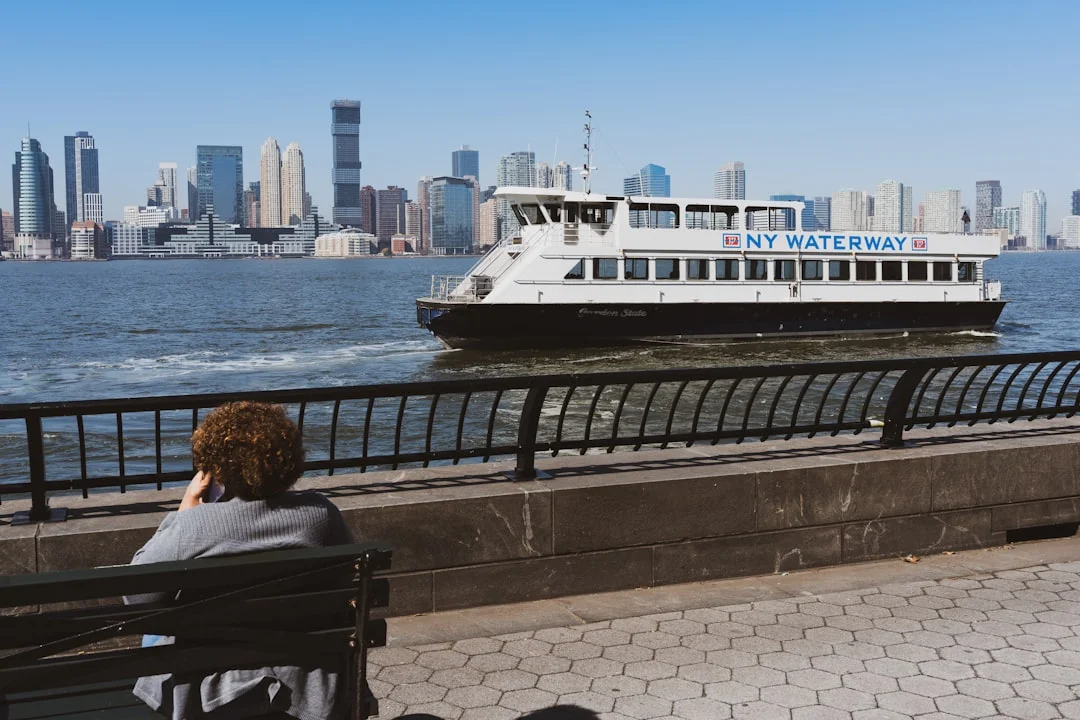
The 2026 ferry service expansion is not a purely transportation issue; it’s a central driver for waterfront commerce and the viability of floating venues. With more service across routes and reservable seats, NYC’s waterfront destinations can attract more visitors who arrive by water, expanding the pool of potential customers for floating restaurants and barge-based venues. The city’s early-2026 announcements frame this as a mechanism to support a high-traffic summer, with projections of increased attendance and broader geographic reach across all five boroughs. The infrastructure investment and expanded access are designed to funnel more footfall toward the waterfront economy, including floating venues that rely on on-water transportation for guests and event attendees. (nyc.gov)
The Summer Ferry Service expansion also aligns with a broader World Cup-driven summer, as the city anticipates higher than usual visitor volumes. The May 2026 press materials emphasize keeping passengers moving efficiently to beaches, cultural destinations, and waterfront venues, with five newly wrapped vessels designed to celebrate the five boroughs. This is not just about transport; it’s about enabling a growing post-pandemic waterfront hospitality ecosystem to scale in a way that can absorb spikes in demand. For analysts, the linkage between transit capacity and dining/entertainment demand is a key data point in evaluating the 2026 waterfront economy. (nyc.gov)
A related development is the deployment of reservable seating and premium ferry experiences, such as Rockaway Reserve seats and Rockaway Rocket services, which create new revenue streams for waterfront-access venues and help manage capacity during peak periods. As the city’s ferry network grows, floating venues may be able to calibrate schedules around ferry arrivals and departures, creating synchronized experiences that combine transit and dining or event attendance. The 2026 schedule includes explicit pricing for certain premium services, illustrating how transit-based offerings can integrate with hospitality initiatives to expand guest flows. (nyc.gov)
Cultural and culinary implications
Floating venues contribute to a broader, more inclusive waterfront dining culture by presenting varied formats that complement fixed-location restaurants. Frying Pan’s open-air dining, North River Lobster Company’s casual barge format, and GITANO’s elevated waterfront hospitality at Pier 17 highlight a spectrum of experiences—from casual, view-driven dining to immersive, destination experiences that leverage water-based settings. The presence of multiple floating- and water-adjacent options along the East and Hudson Rivers broadens the city’s culinary calendar and invites more seasonal experimentation, which is a hallmark of a vibrant urban dining scene. These venues are not merely novelties; they are catalysts for new customer segments, cross-pollination of concepts (bar, restaurant, event space), and extended seasonal usage of the waterfront. (fryingpan.com)
The waterfront experiences described in 2026 coverage reflect a broader cultural shift toward deploying space along the water as a public-stage and commercial asset. The Seaport’s Pier 17 location, with venues like Gitano NYC, demonstrates how iconic views of the Brooklyn Bridge and Manhattan skyline can become part of a sophisticated, branding-forward hospitality model that pairs music, design, and culinary programming with a spectacular outdoor setting. The result is a waterfront dining and entertainment landscape that blends performance, design, and culinary arts into a single, destination-focused experience. (gitano.com)
A complementary 2026 industry guide highlights floating and dockside venues as part of the city’s maritime dining ecosystem, including North River Lobster Company on the Hudson. The guide entry underscores the appeal of waterfront venues with direct access to the water and this real-world example helps illustrate how floating venues anchor the city’s food and beverage economy in ways that are distinct from landlocked venues. The presence of floating options alongside dockside and fixed-location restaurants reinforces the idea that NYC’s waterfront is a shared stage for culinary and cultural experiences. (onthewaterrestaurants.com)
Urban planning, resilience, and equity considerations
Battery Coastal Resilience illustrates how public investment in waterfront infrastructure can protect critical spaces while enabling greater public access to the harbor. The project’s first phase elevates and reinvents a portion of the wharf promenade, enhancing accessibility and public space while reducing flood risk and carbon footprint. This is a blueprint for how waterfront interventions can support ongoing and future maritime-oriented uses, including floating venues, seasonal markets, and pop-up entertainment that require stable, well-protected public space. The city frames resilience as a means to preserve and empower waterfront life rather than merely to shield it from climate impacts. (nyc.gov)
The OHNY waterfront programming emphasizes that policymaking, zoning, and public-private collaboration are part of a longer arc of waterfront reinvention. The June 16, 2026 itinerary highlights the Western Edge of Queens and Brooklyn as zones of ongoing adaptive reuse and green manufacturing, reinforcing the idea that new venue formats—whether floating, dockside, or pop-up—need regulatory and infrastructural support to scale. In short, the infrastructure and policy environment being built in 2026 is designed to enable a richer, more accessible waterfront, which benefits not just hospitality operators but also residents who rely on public access to the harbor for recreation and transit. (ohny.org)
What’s Next
Timeline, milestones, and upcoming steps
Summer 2026 is shaping up as a capstone for waterfront activity, with the NYC Ferry system expanding capacity and offering direct connections to beach destinations and waterfront neighborhoods. The May 2026 mayoral release positions the ferry expansion as a core enabler for people to reach floating and dockside venues more easily, which could translate into higher weekend and seasonal attendance at waterfront spaces. The service increase, along with Rockaway Rocket and Rockaway Reserve returns, suggests a busy, highly utilized harbor for the season. The explicit pricing for reservable Rockaway seats ($12 per person) indicates a more formalized revenue and capacity strategy that could influence how floating venues plan their events and seating arrangements around ferry schedules. (nyc.gov)
By mid-June 2026, the waterfront’s trajectory was further clarified by OHNY’s June 16 event, which framed waterfront reinvention as an ongoing, mission-driven process grounded in policy, planning, and public engagement. The boat tour highlighted how long-term investments and regulatory changes are enabling new uses of the harbor, including floating venues and other on-water experiences that blend public space with private enterprise. Expect more public-facing waterfront programming in the second half of 2026 as these policy frameworks mature and as ferry routes, piers, and resilience investments become more integrated with venue operations. (ohny.org)
The Battery Coastal Resilience project, with an anticipated second phase to be completed in 2027, will complete a critical loop of protection and public space enhancements. As the remaining wharf is reconstructed and elevated, observers can expect improved access to waterfront promenades and more stable environments for events that take place on or near the water, including floating platforms and pop-ups. The long lead times underscore that Floating Venues on NYC Waterfront 2026 are part of a broader, multiyear strategy to upgrade the harbor while expanding opportunities for recreation, dining, and culture. (nyc.gov)
In parallel, industry coverage and city planning discourse point to an ongoing expansion of the waterfront economy. The Seaport’s Pier 17 site, which hosts GITANO NYC and other venues, signals a continuing appetite for waterfront-drawn hospitality experiences that leverage views of the Brooklyn Bridge and East River. As new venues test the market and existing operators adapt to seasonality and crowd dynamics, expect a mix of fixed installations, floating platforms, and hybrid concepts that use water transit as a core feature of attendance. The 12 Best Waterfront Restaurants list underscores the breadth of this ecosystem, including floating concepts and dockside experiences that together define the 2026 NYC waterfront dining landscape. (gitano.com)
Finally, ongoing infrastructure and policy conversations—such as the Waterfront Alliance discussions noted in March 2026—will continue to shape which projects go from concept to reality. While the Legistar entry indicates ongoing deliberations about waterfront planning, the practical implication for Floating Venues on NYC Waterfront 2026 is clear: an active policy environment supports innovative uses of waterfront spaces, potentially including more floating venues, seasonal installations, and events designed to maximize harbor access, public space, and economic activity. Readers watching regulatory developments should pay attention to upcoming hearings and planning updates for 2026 and beyond. (legistar.council.nyc.gov)
Next steps for readers and stakeholders
Hospitality operators should monitor ferry schedules and capacity enhancements as signals for when to time new on-water programming. With reservable seats and premium vessels emphasized in the 2026 plan, floating venues can coordinate events around ferry arrivals, ensuring convenient access for guests who travel by water. The May 2026 ferry expansion announcement provides a framework for planning that aligns transit and hospitality. (nyc.gov)
City agencies and developers may continue to leverage Battery Coastal Resilience and OHNY waterfront programming to inform future deployments of floating venues and related public-space projects. Observers should watch for updates on second-phase construction, new public spaces, and policy changes that affect river-to-harbor access. The ongoing work in Lower Manhattan and the West Side, together with Queens and Brooklyn waterfront developments, will likely influence where and how floating venues can expand or relocate in coming seasons. (nyc.gov)
Readers and market analysts should stay alert for new venue openings, temporary pop-ups, and cross-venue collaborations that emerge as the waterfront economy experiments with new models for dining, events, and cultural programming. The 2026 landscape already includes fixed venues like Frying Pan and Gitano NYC, floating concepts like North River Lobster Company, and a wave of new public-interest programming that enhances harbor accessibility. A sustained mix of public infrastructure investment and private hospitality innovation will be a hallmark of Floating Venues on NYC Waterfront 2026 as the season progresses. (fryingpan.com)
Closing
As 2026 unfolds, the waterfront narrative in New York City centers on scale, access, and resilience. Expanded ferry service, ambitious shoreline infrastructure projects, and the continued popularity of floating and dockside venues all point to a waterfront that is more navigable, more livable, and more economically productive than in years past. For readers following technology-driven market trends, the convergence of transit, real estate, hospitality, and public space along the harbor offers a compelling case study in how cities can choreograph a complex ecosystem to support dynamic experiences—without sacrificing resilience or equity. The ongoing evolution of Floating Venues on NYC Waterfront 2026 will likely shape how planners, investors, and operators think about waterfront potential for years to come, establishing a template for other coastal cities to observe and emulate. Stay tuned to Manhattan Monday for updates as new venues, policy changes, and transit enhancements unfold across the city’s working waterfront.
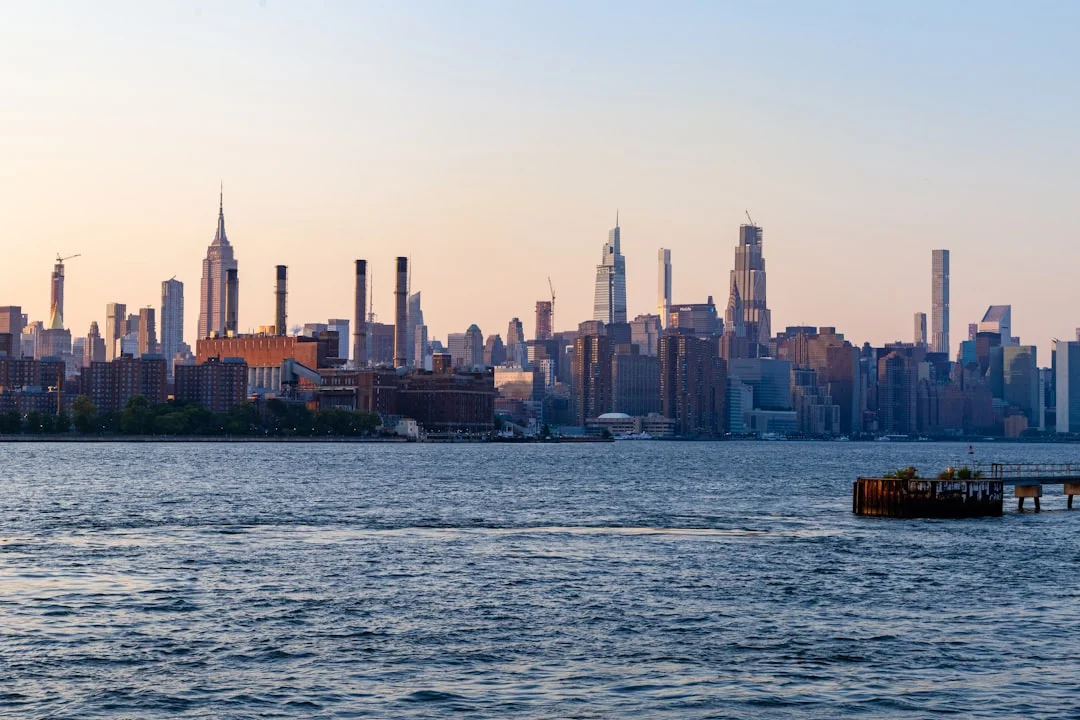
Photo by Maxim Klimashin on Unsplash